

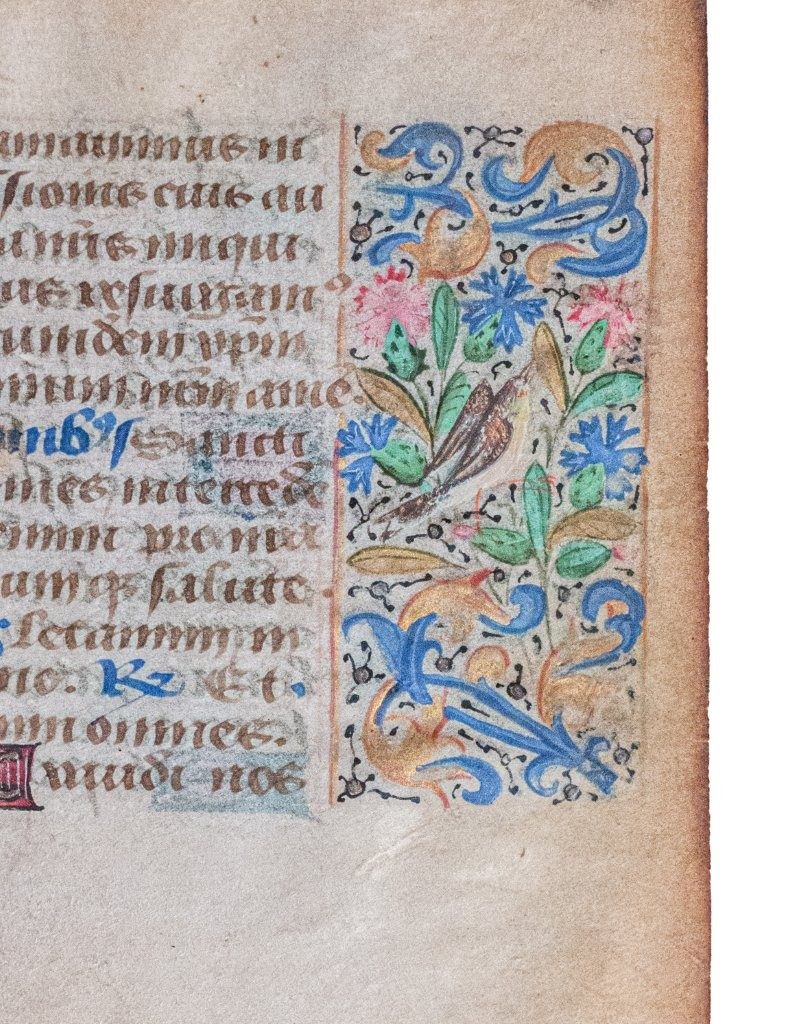
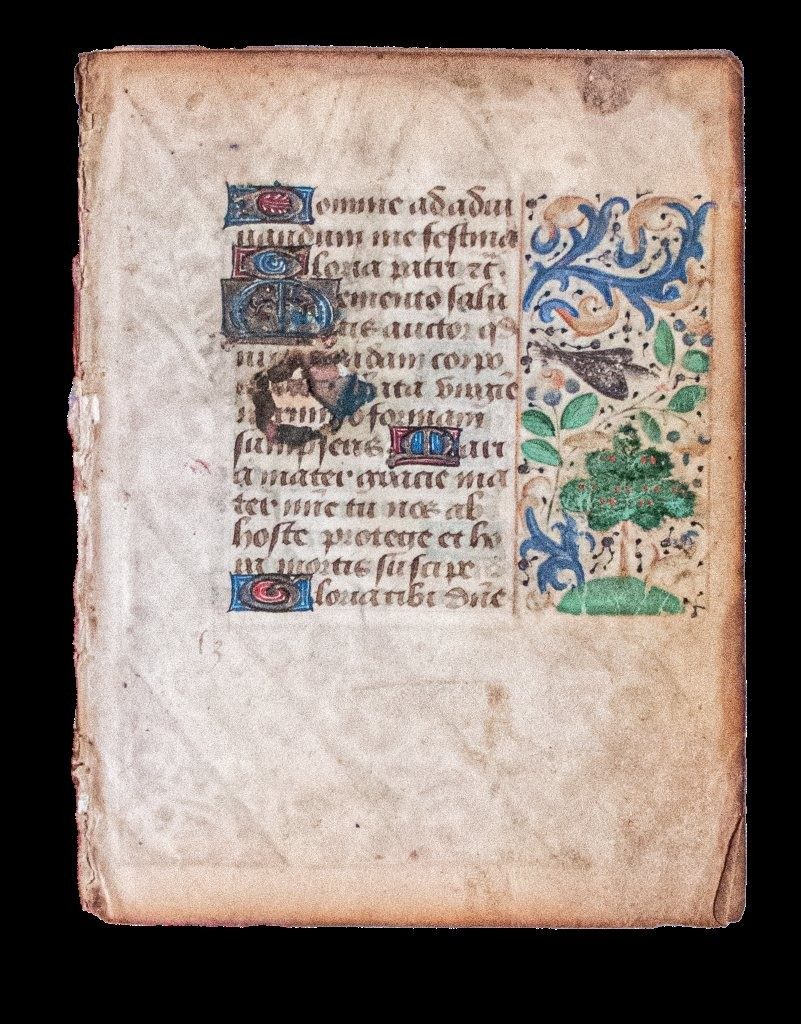
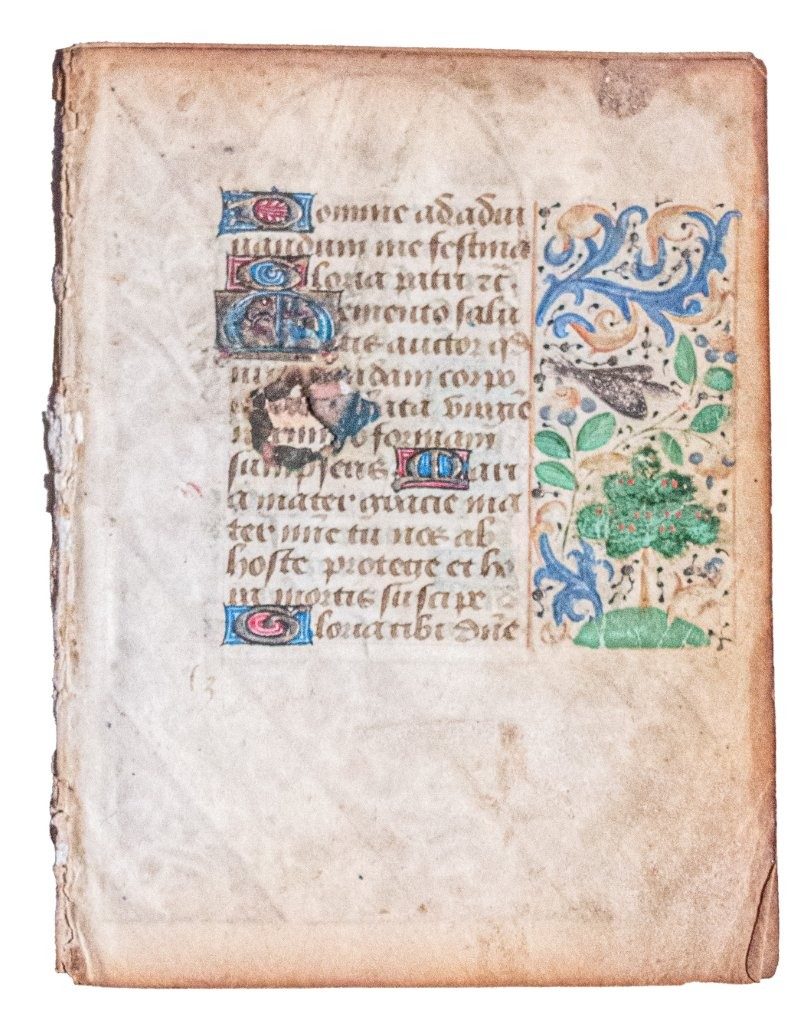
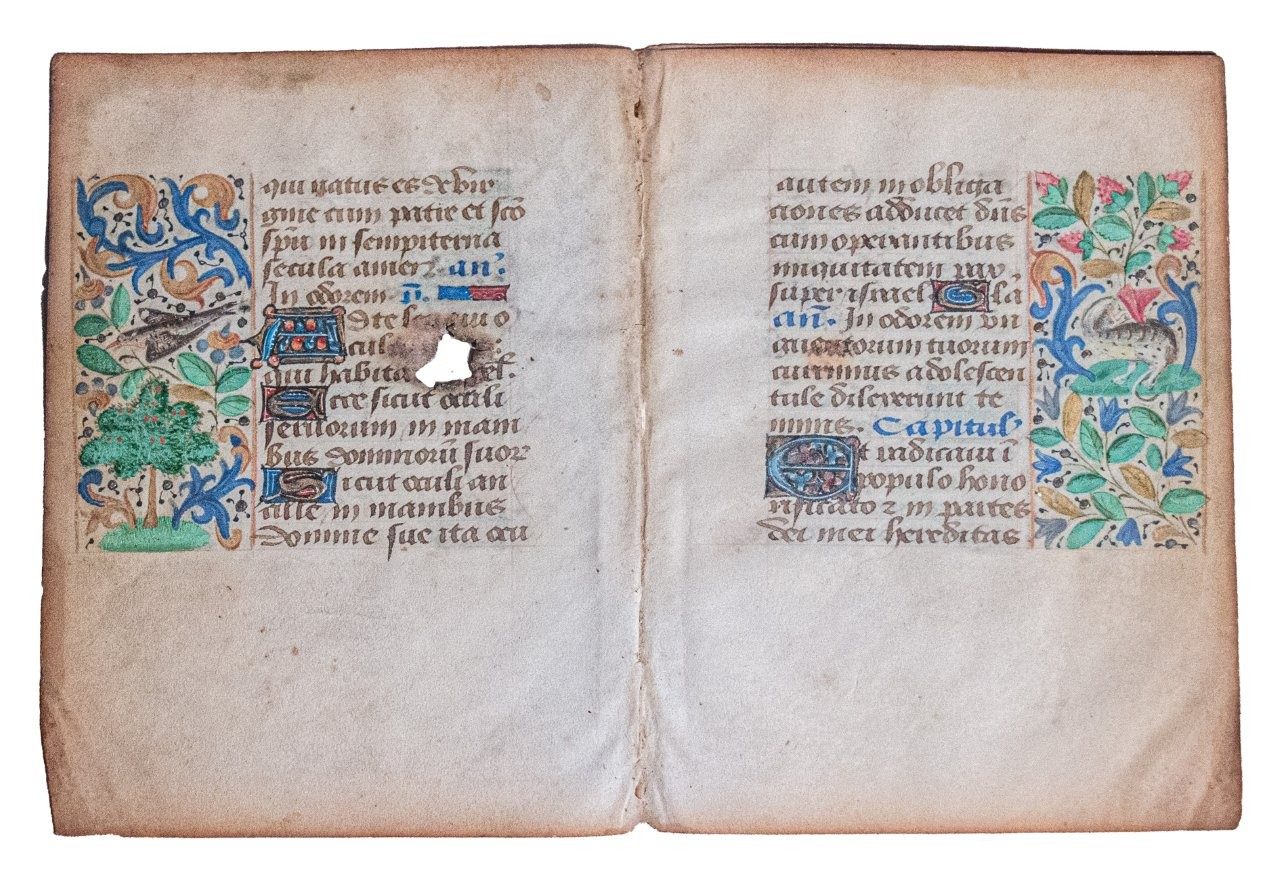

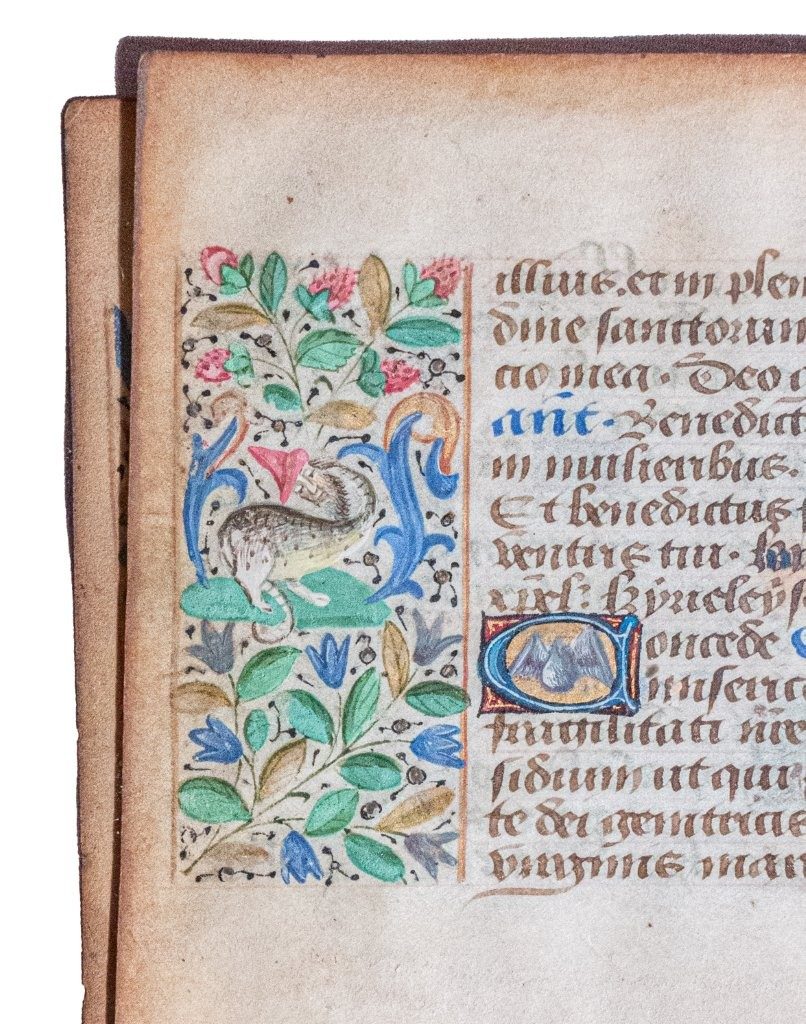
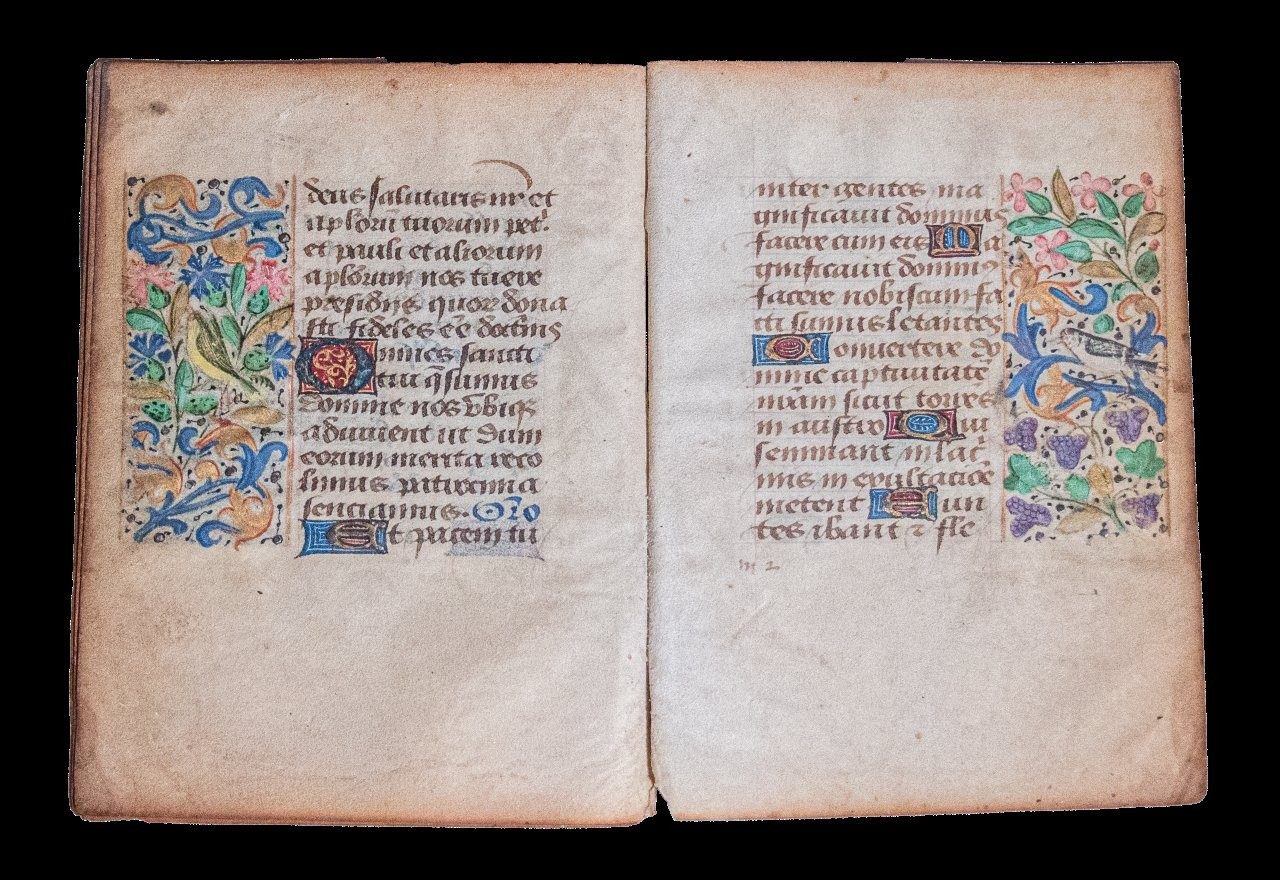

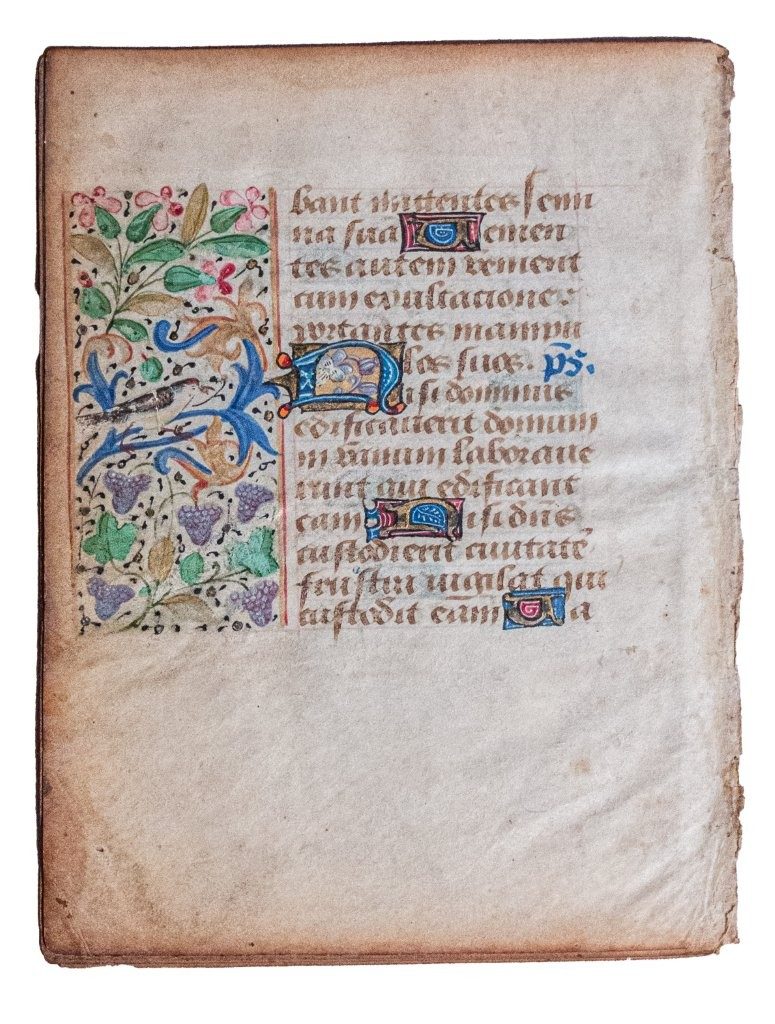
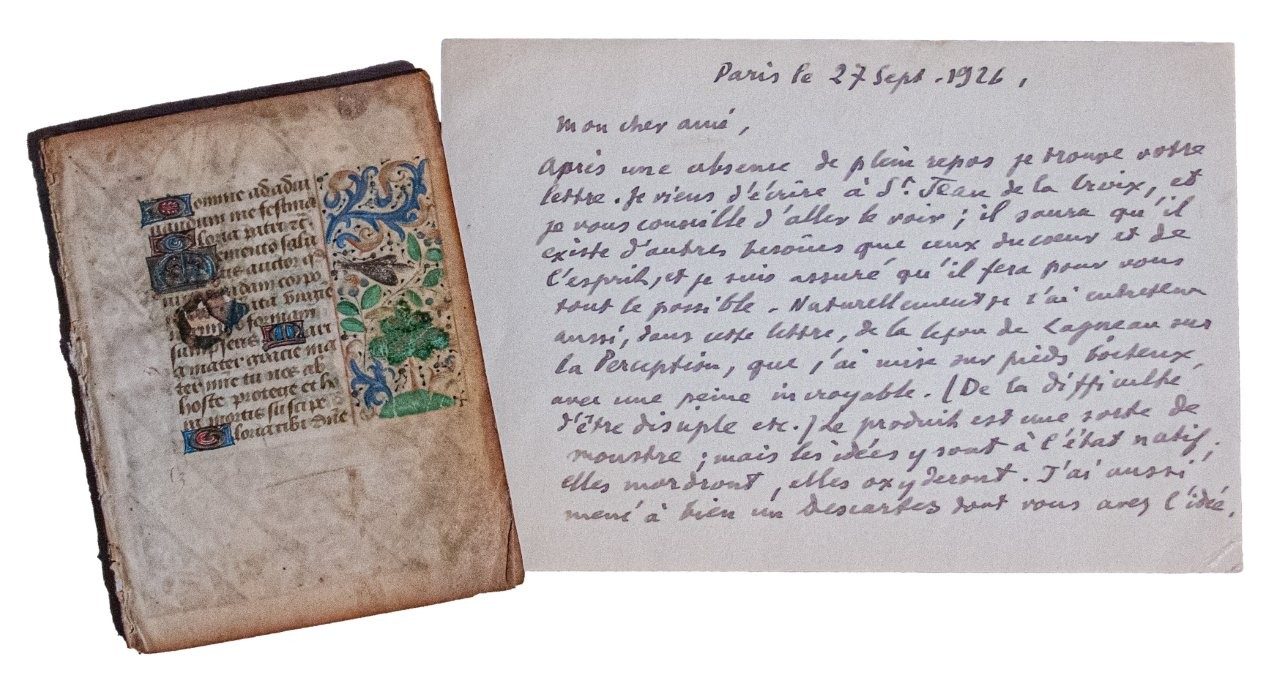


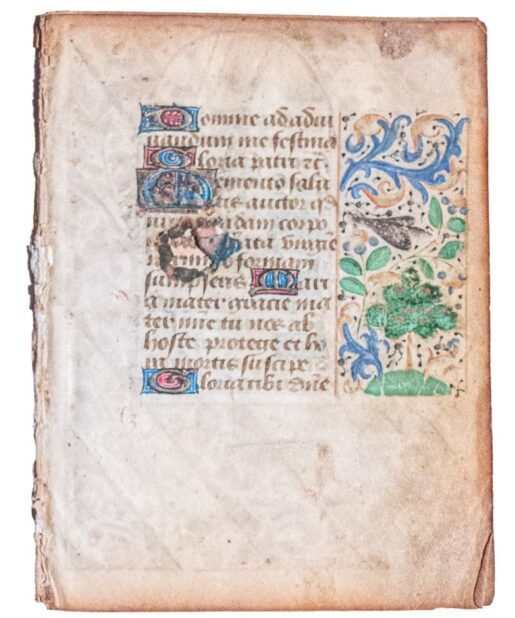
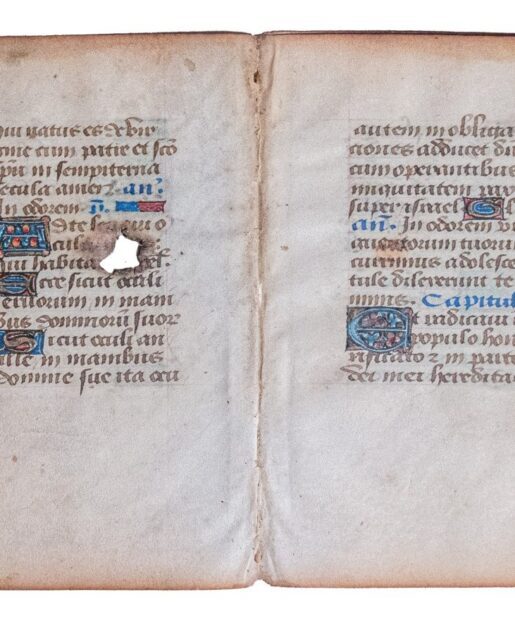
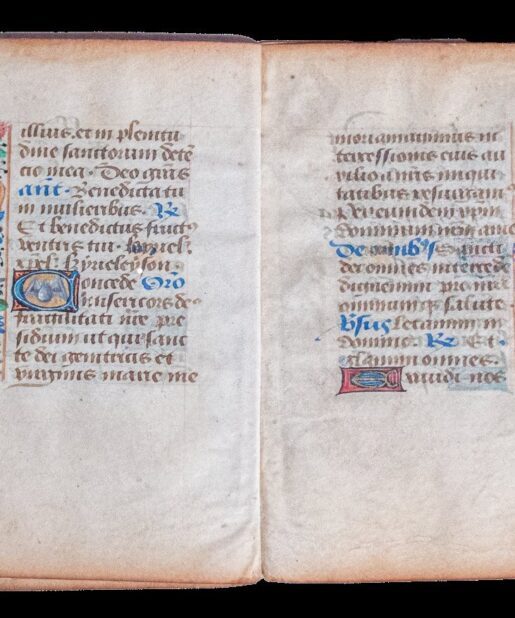
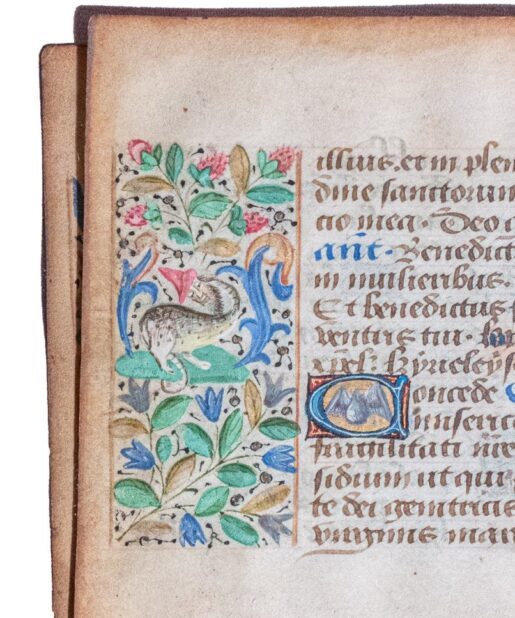
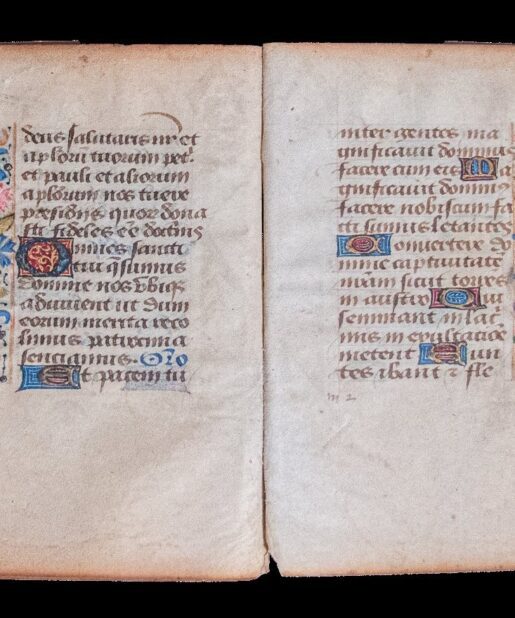
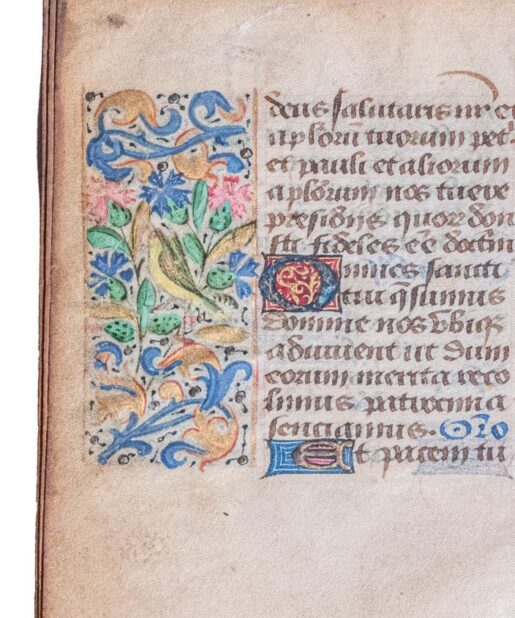
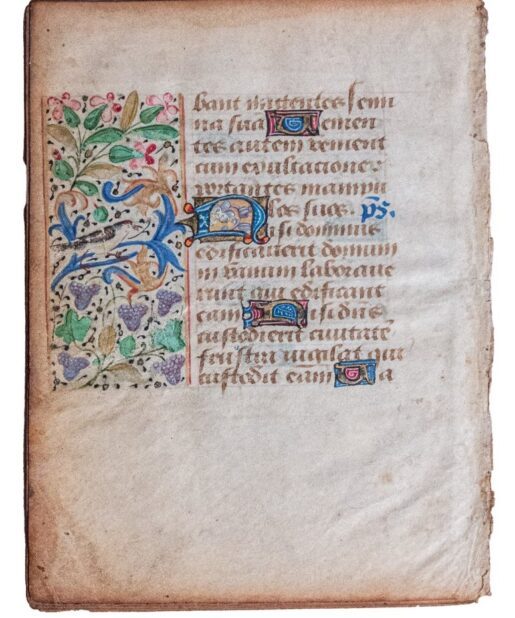
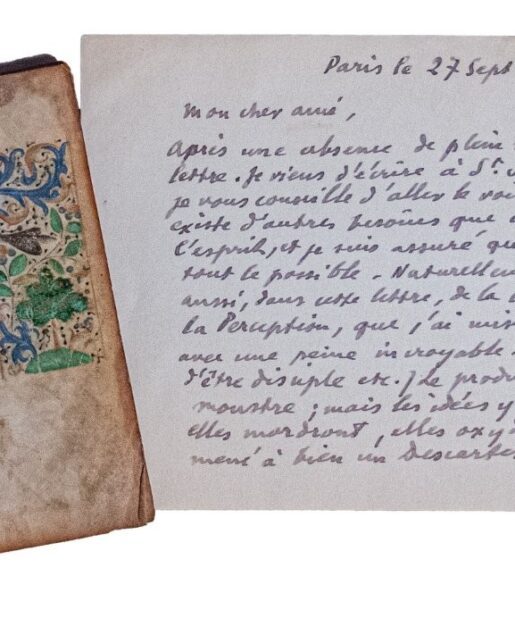
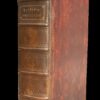
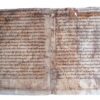
Book of Hours, Use of [likely Paris/Rouen/Flemish center], in Latin. Complete gathering of illuminated leaves. Northern France or Flanders, c. 1450–1475.
Vellum manuscript, a complete gathering comprising 8 leaves (c. [measurements, e.g. 150 × 110 mm]), written in a well-formed Gothic textura hand in brown and black ink, 14–16 lines per page, rubrics in red, initials in blue and burnished gold with contrasting penwork in red and blue, line-fillers in alternating colors.
The borders of nearly every leaf with rich illuminated decoration: scrolling acanthus sprays in blue, green, pink, and liquid gold, punctuated by naturalistic foliage, flowers, and occasional zoomorphic elements. Several leaves with particularly striking marginalia: a golden-yellow bird amid flowering sprays of blue and pink; green trees with red blossoms; and drolleries including small animals among the foliage.
Text includes portions of the Psalms and other Offices, likely from the Hours of the Virgin or the Penitential Psalms (further textual analysis could determine exact placement within the Hours). Decoration and script suggest production in Northern France or the Southern Netherlands, c. mid-15th century.
Condition: Some darkening and marginal staining, small losses and minor worming affecting portions of text in places, but generally well-preserved with margins intact and illumination vivid.
A fine and unusually complete gathering, preserving both the devotional text and a representative range of marginal illumination, typical of mid-15th-century commercial production for lay devotion.
Product Enquiry
Related products

C14th -C16th manuscripts
Finely produced illuminated leaf from a French Psalter, c.1480
£550.00
C14th -C16th manuscripts
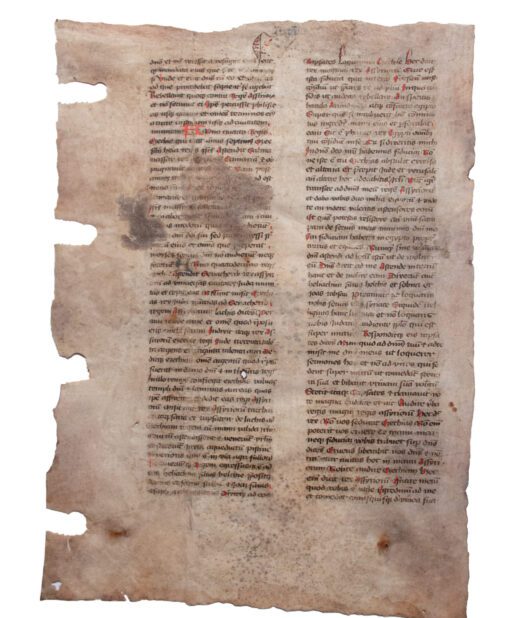
Leaf from a Bible, II Kings 17, C15th manuscript in Latin on parchment
£750.00

C14th -C16th manuscripts
£950.00
Arabic and Ottoman
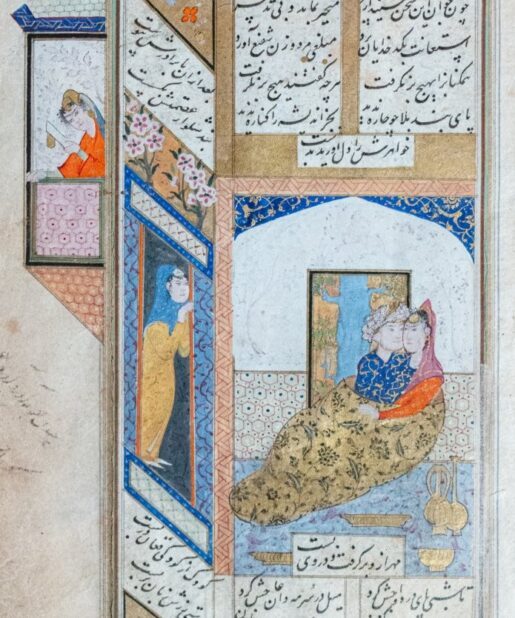
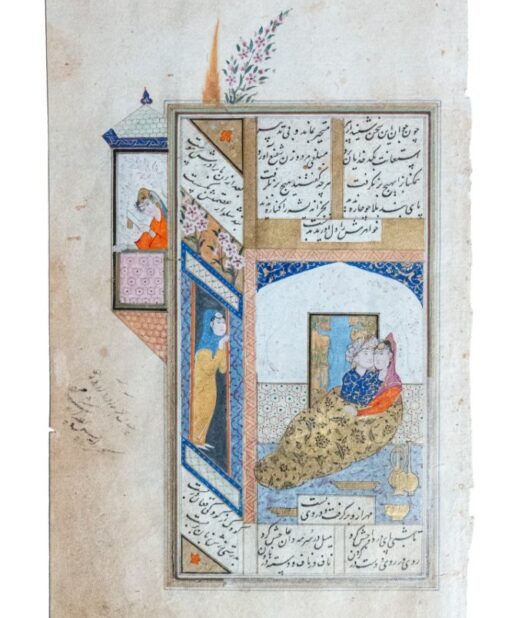
Shīrīn reads Khusraw’s letter. A fine C16th Persian miniature of ‘Two Lovers’ from Nizami’s, Khamsa.
£5,000.00
![Leaf from an English Illuminated Psalter In Latin, manuscript on vellum [England (probably East Anglia), mid-14th century]](https://stephenbutler.com/wp-content/uploads/2026/05/IMG_7534-515x618.jpg "Leaf from an English Illuminated Psalter In Latin, manuscript on vellum [England (probably East Anglia), mid-14th century]")
![Leaf from an English Illuminated Psalter In Latin, manuscript on vellum [England (probably East Anglia), mid-14th century]](https://stephenbutler.com/wp-content/uploads/2026/05/C57A7557-515x618.jpg "Leaf from an English Illuminated Psalter In Latin, manuscript on vellum [England (probably East Anglia), mid-14th century]")
C14th -C16th manuscripts
£2,750.00


Arabic and Ottoman
£1,900.00
C14th -C16th manuscripts
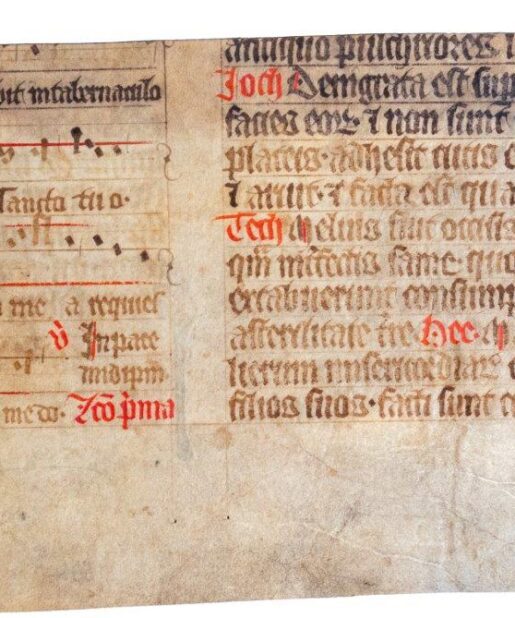
A C14th cutting from a Noted Breviary with music on a 4-line stave arranged around a red clef line
£280.00
C14th -C16th manuscripts
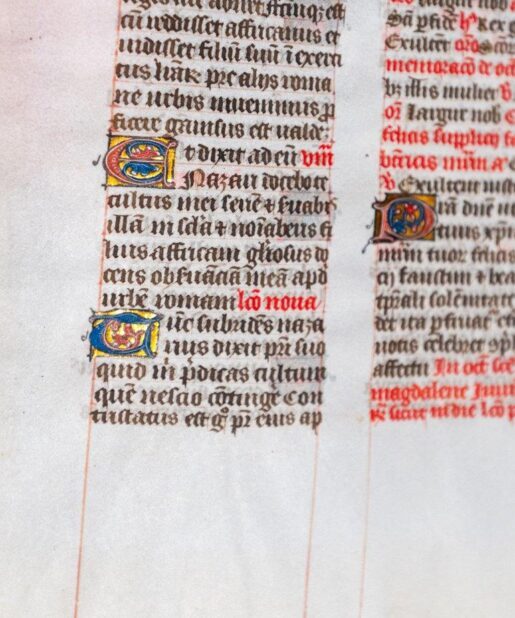
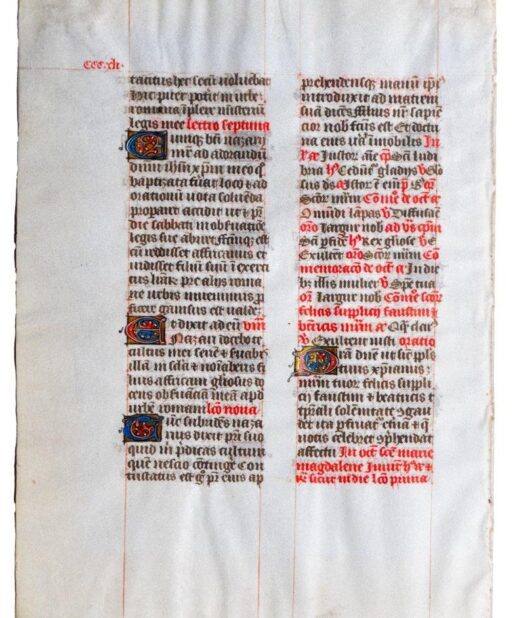
Single leaf from the so-called ‘Carondelet Breviary’ 1458 from the scribe Jean d’Aussert
£600.00