

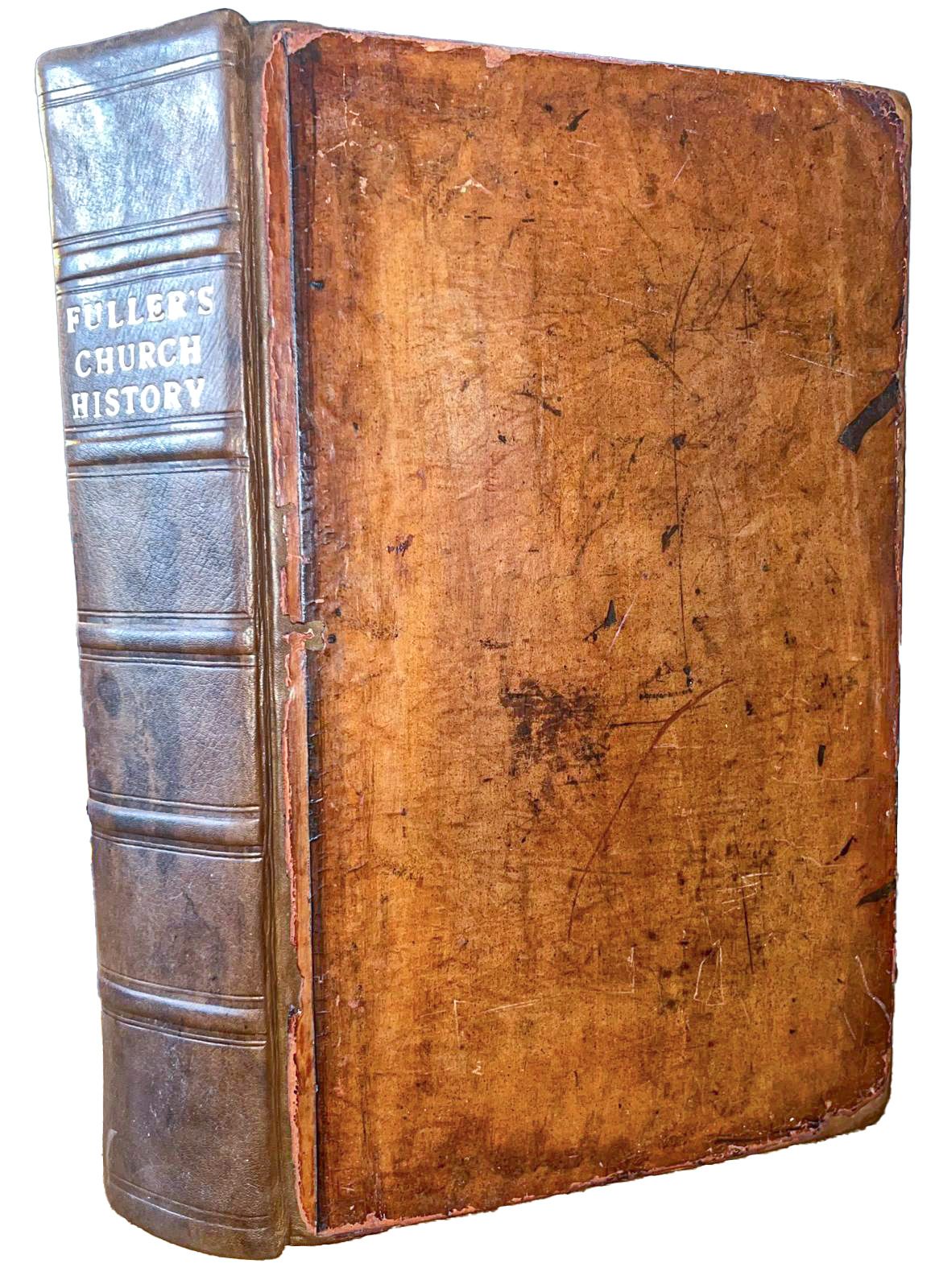




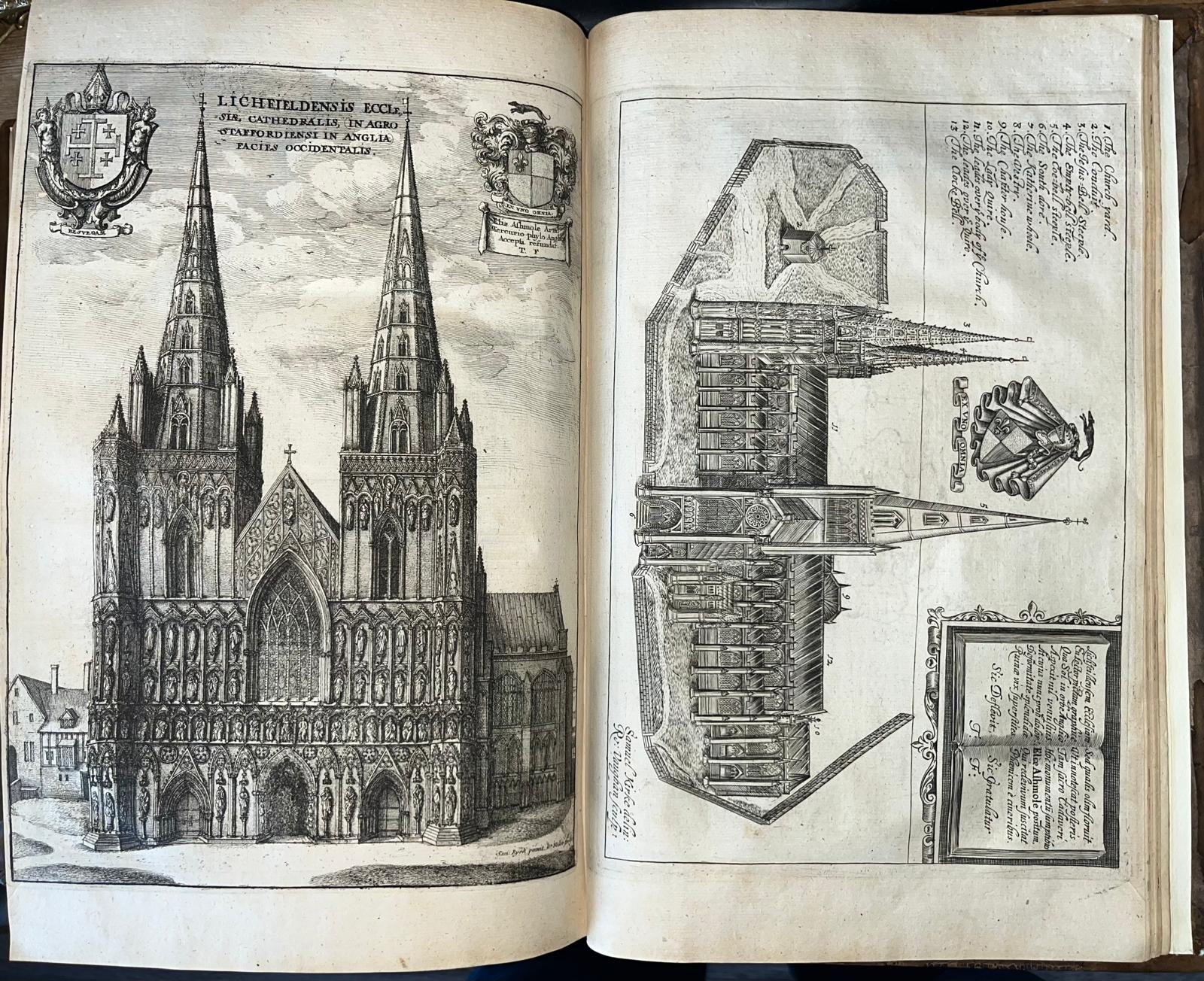




Fuller, Thomas (1608–1661). The Church-History of Britain; from the Birth of Jesus Christ, untill the Year M.DC.XLVIII. Endeavoured by Thomas Fuller.
London: Printed for John Williams, at the Signe of the Crown in St. Paul’s Church-yard, Anno 1656.
Folio (2°).
ESTC: R18368
Physical Description: [8], 171, [9], 200, 153–427, [9], 235, [9], 114, [2], 115–116, [2], 117–238 p. : port.
Condition:
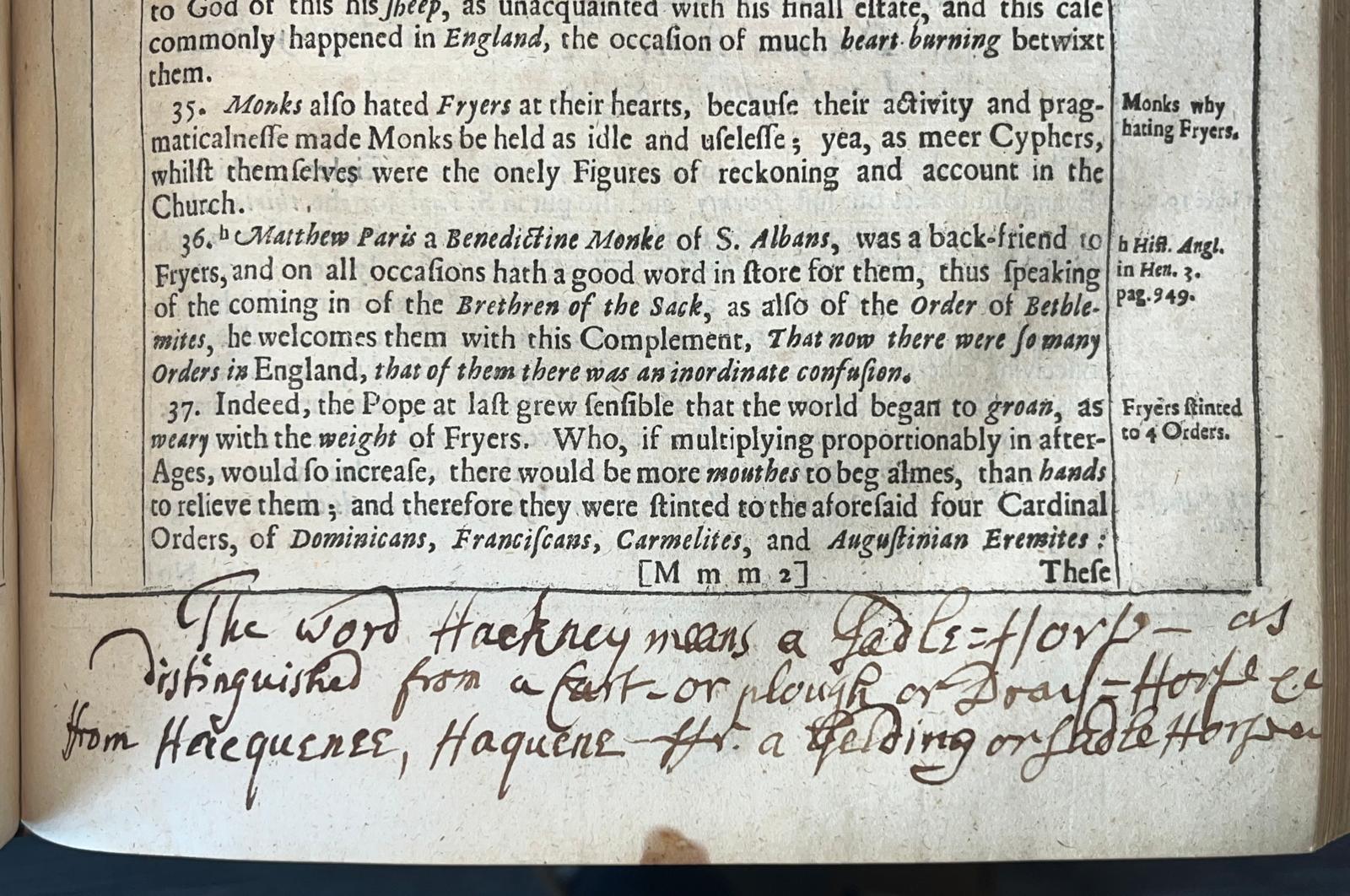
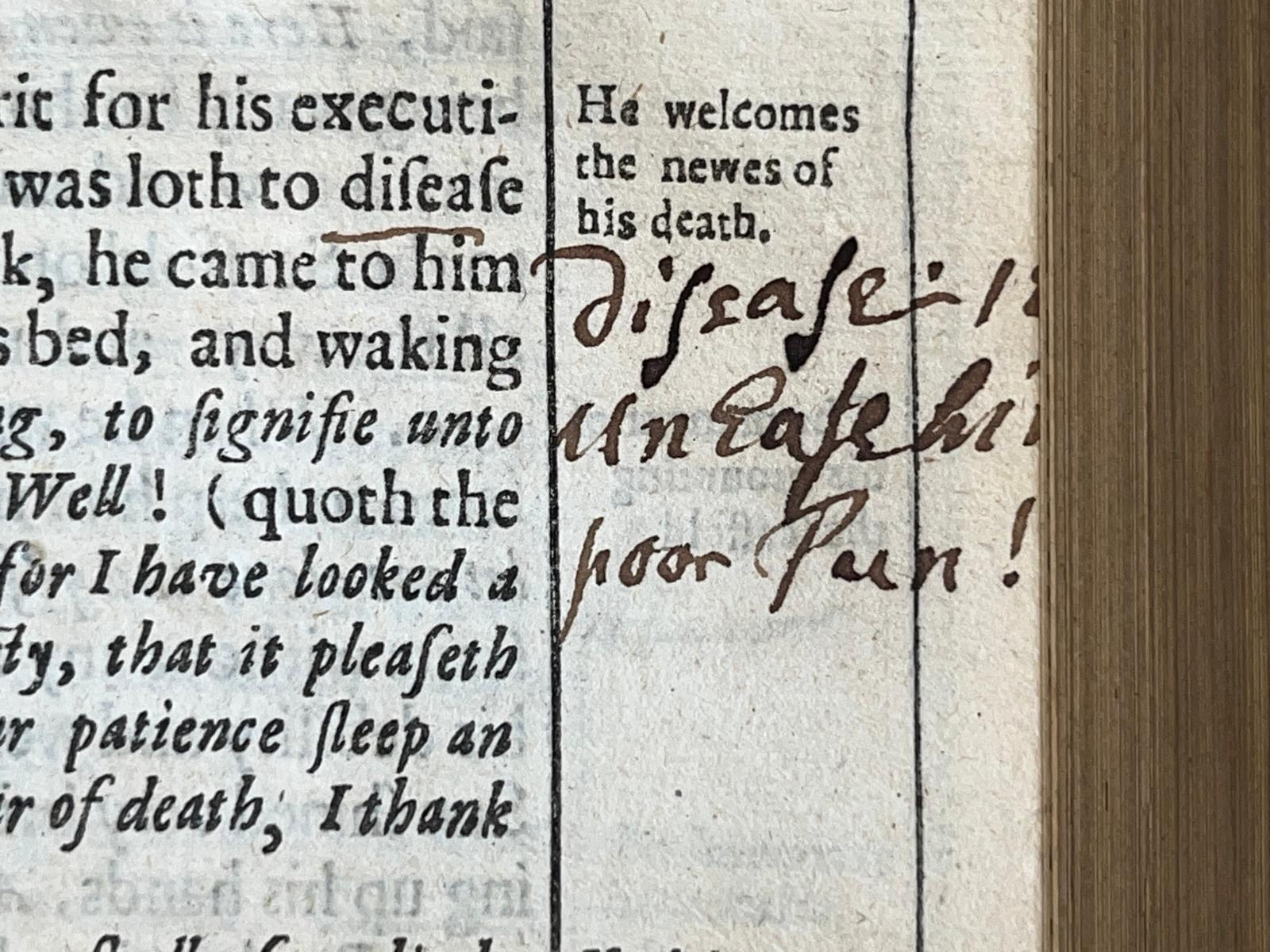
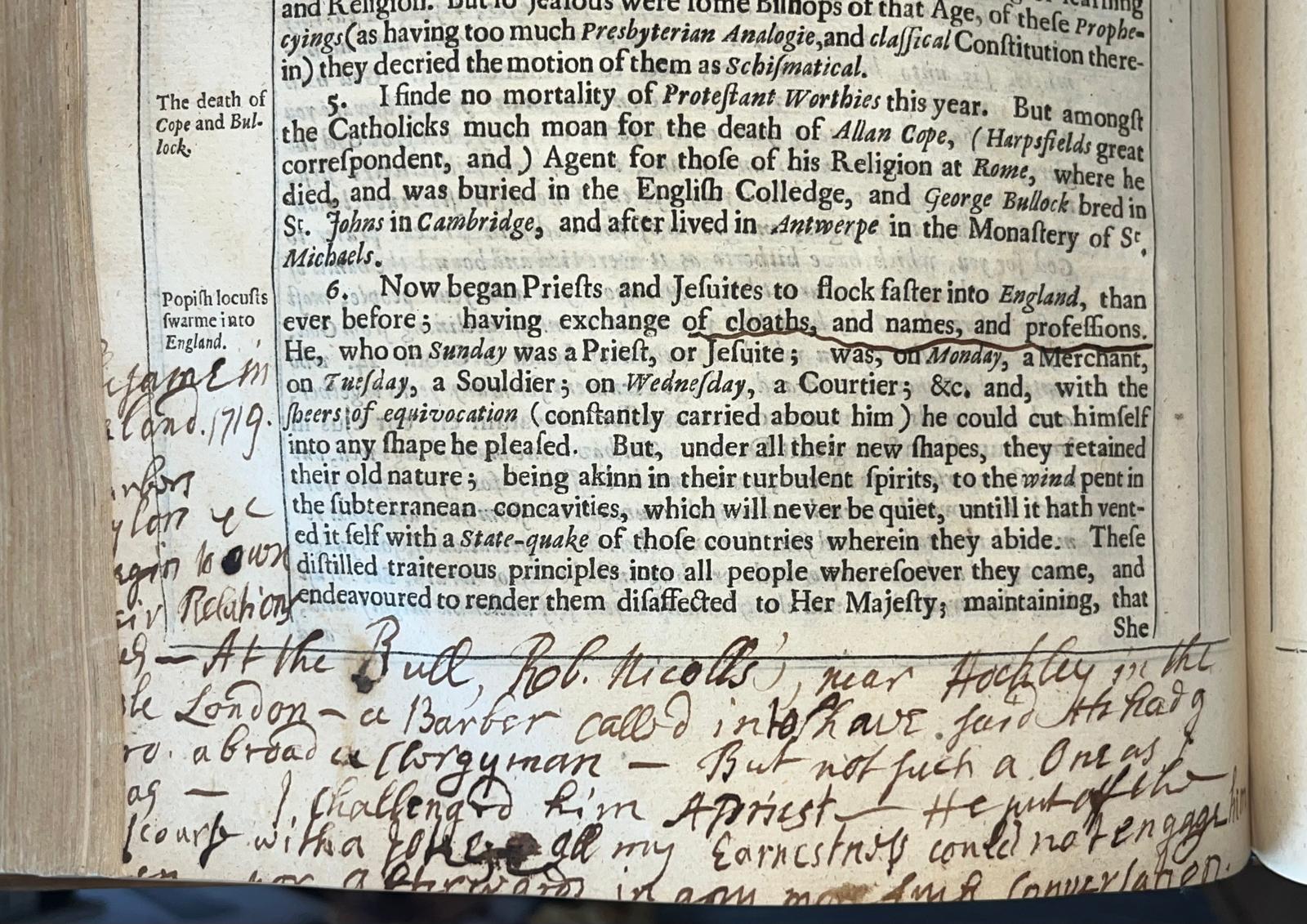
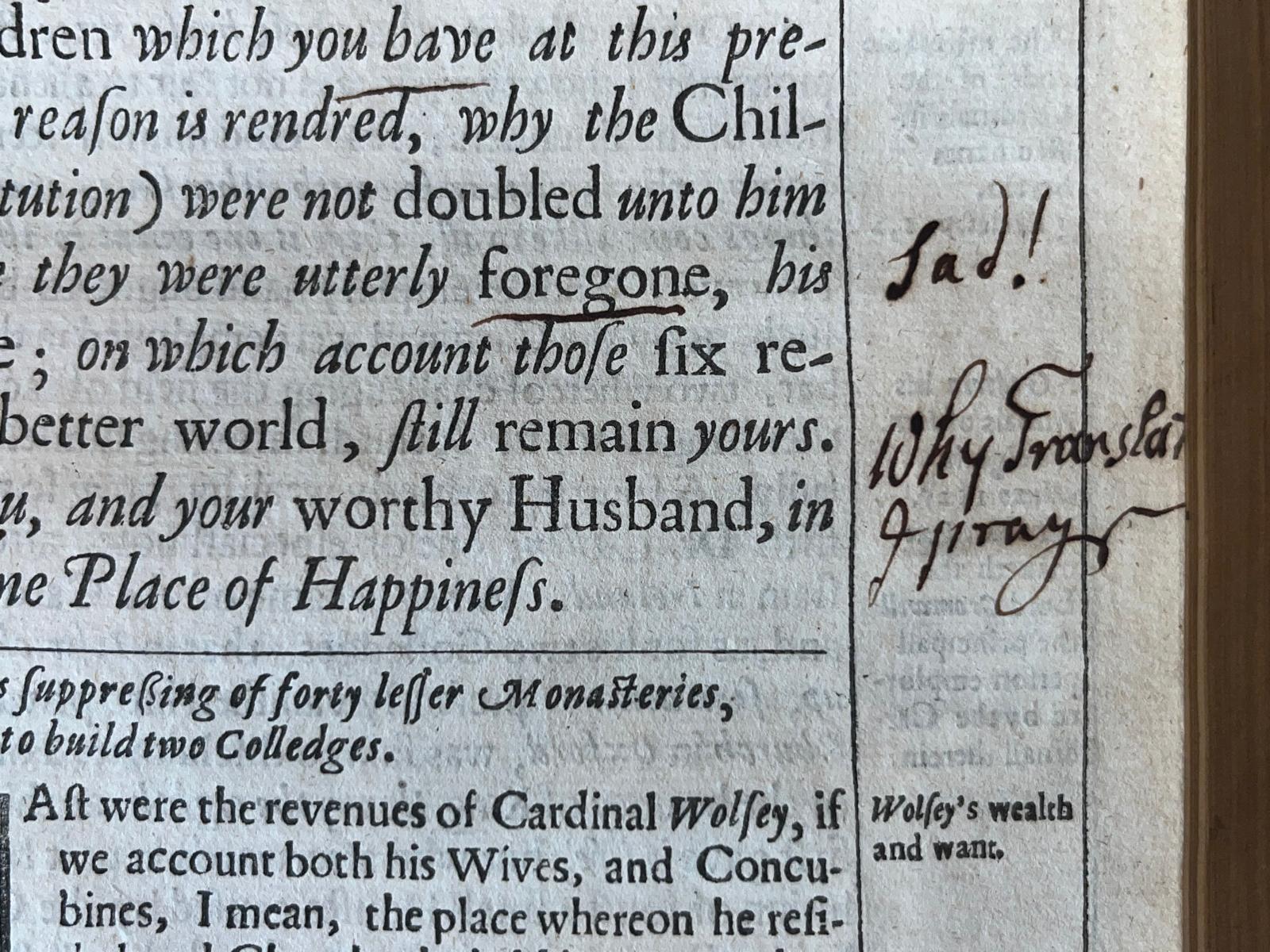
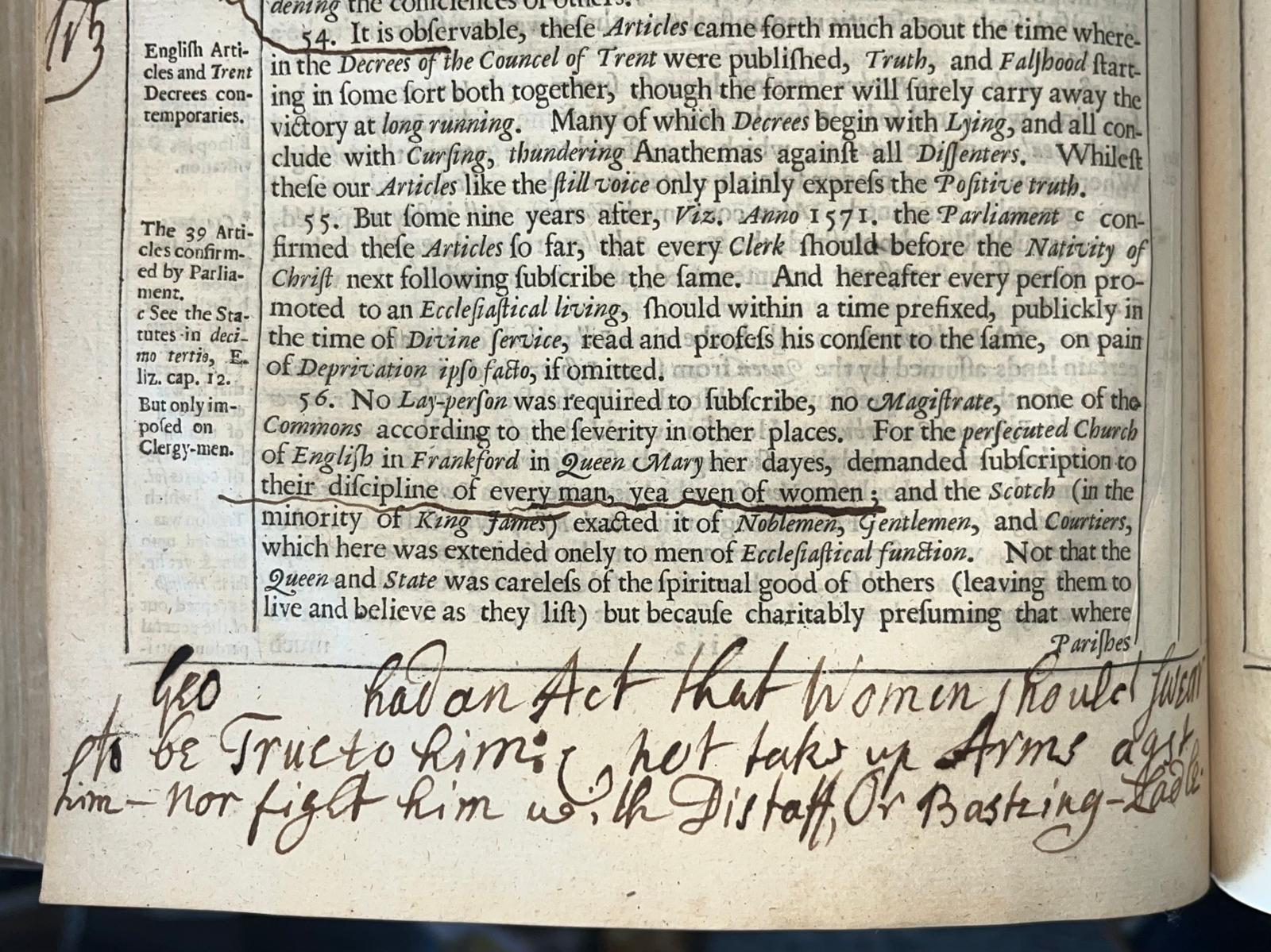
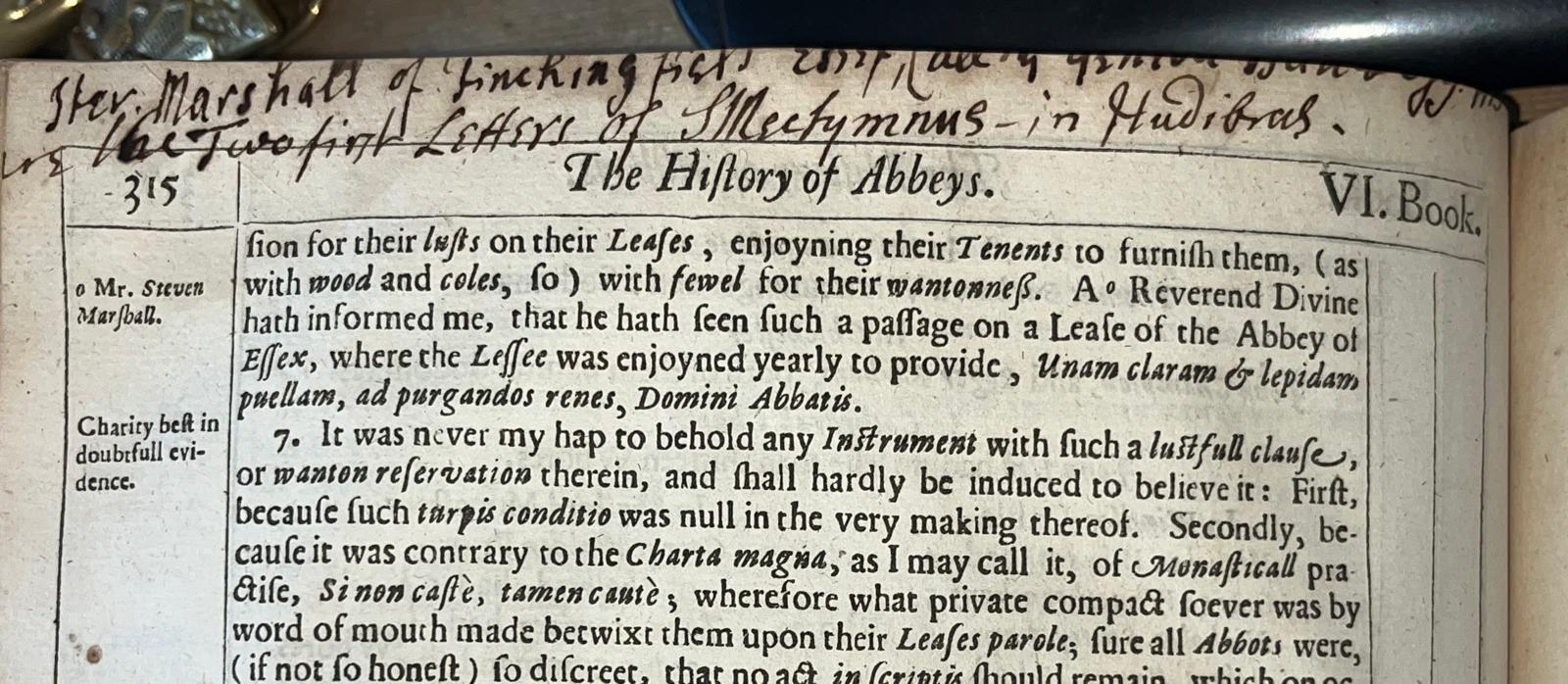
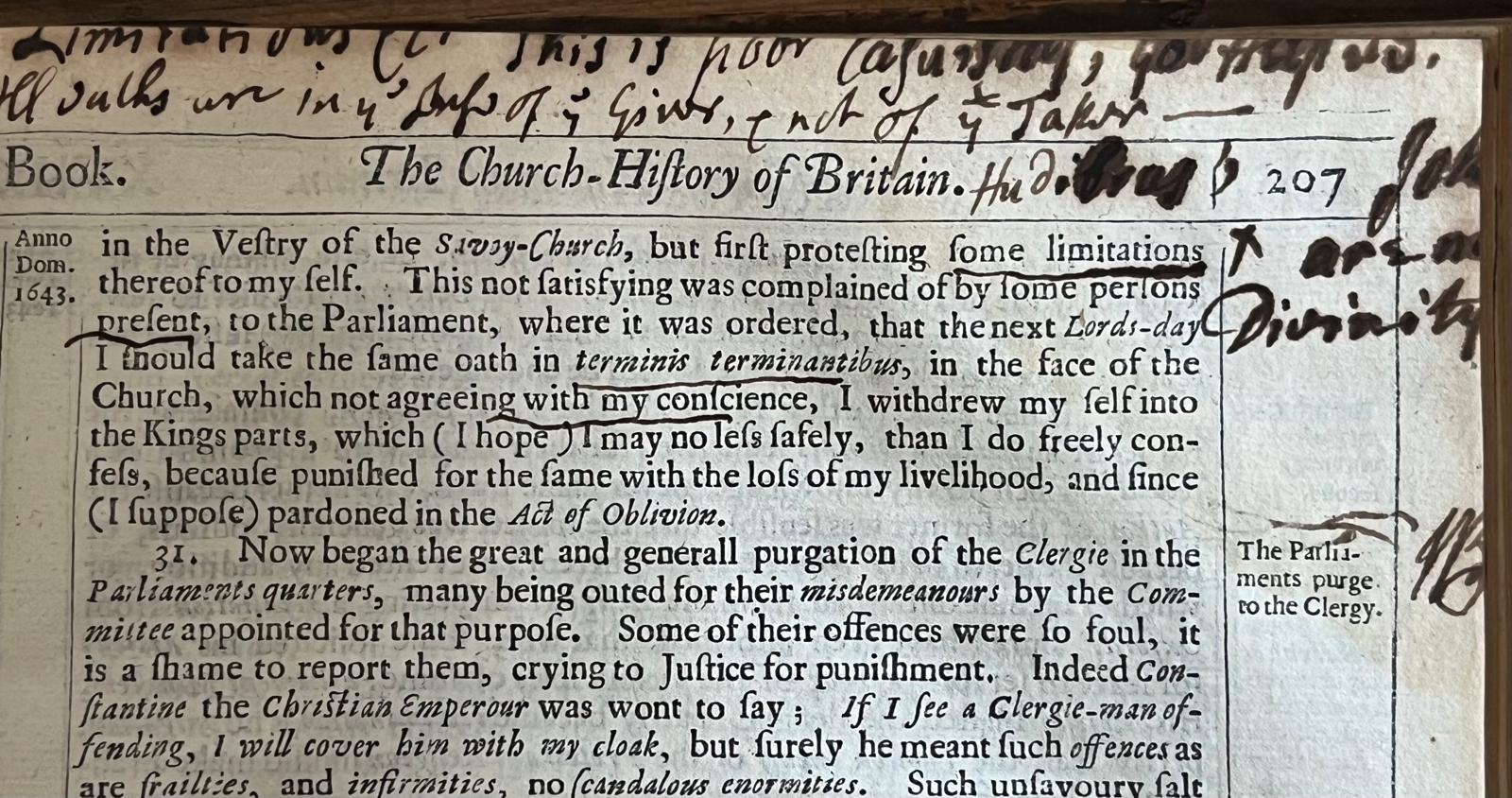
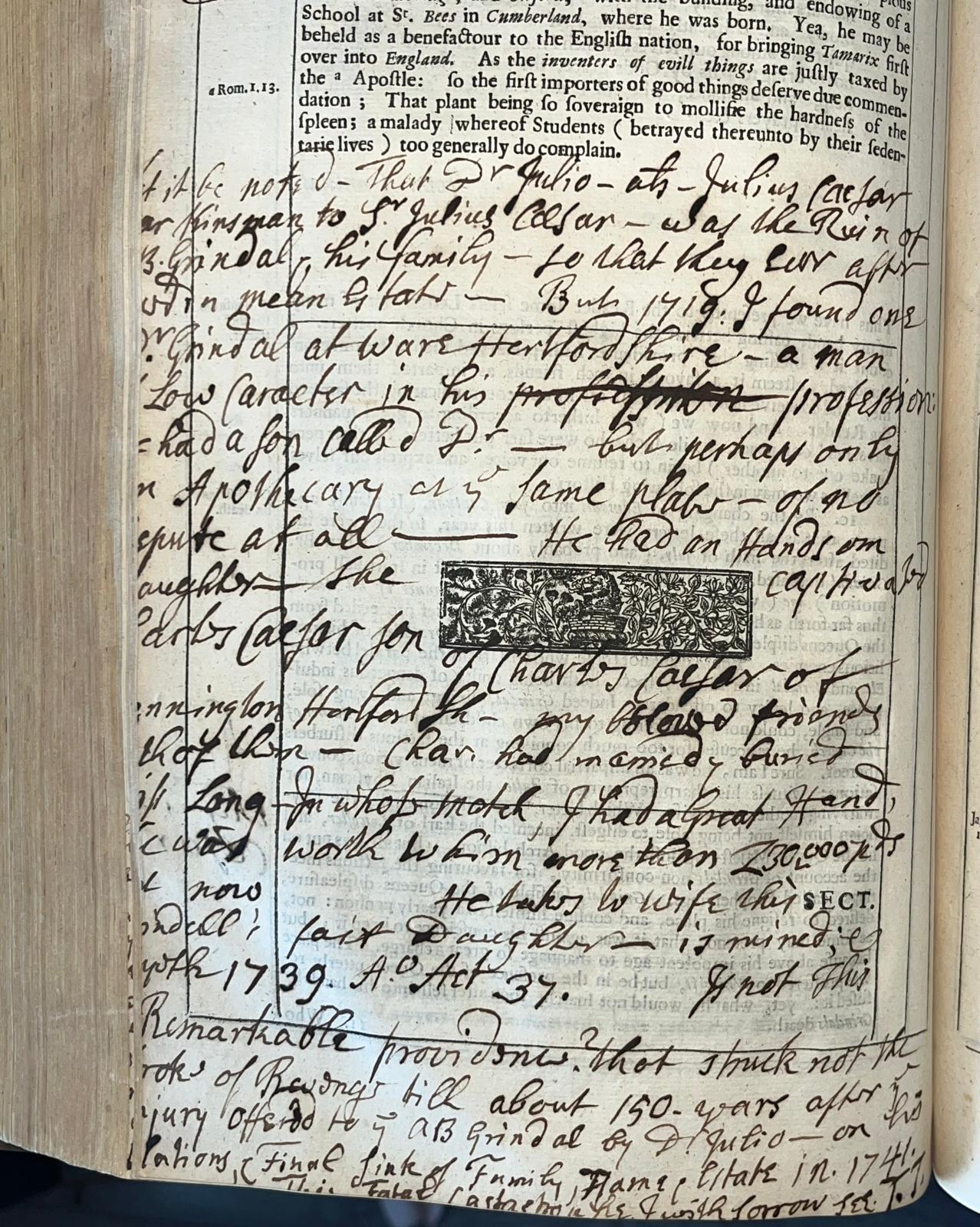
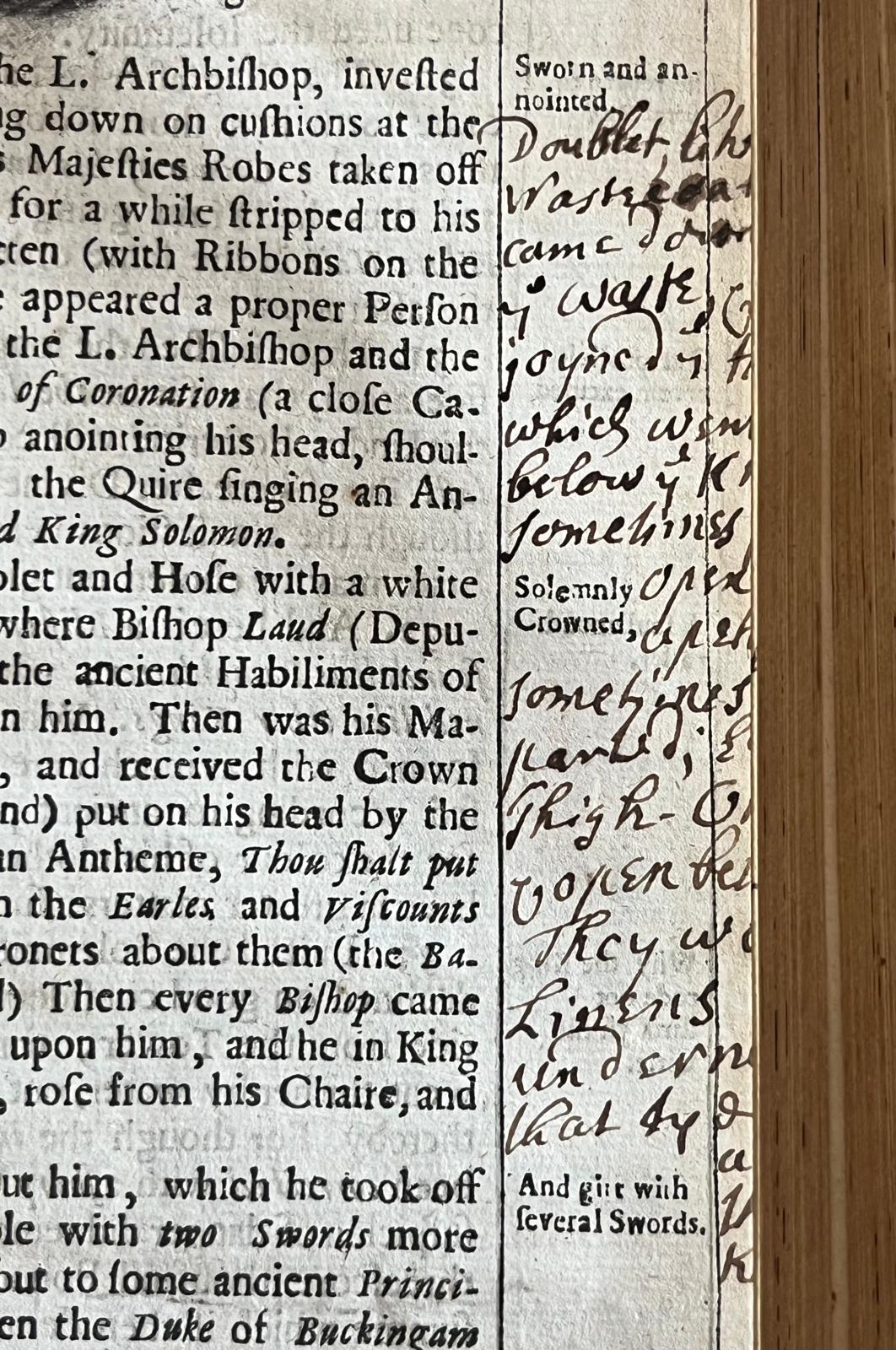
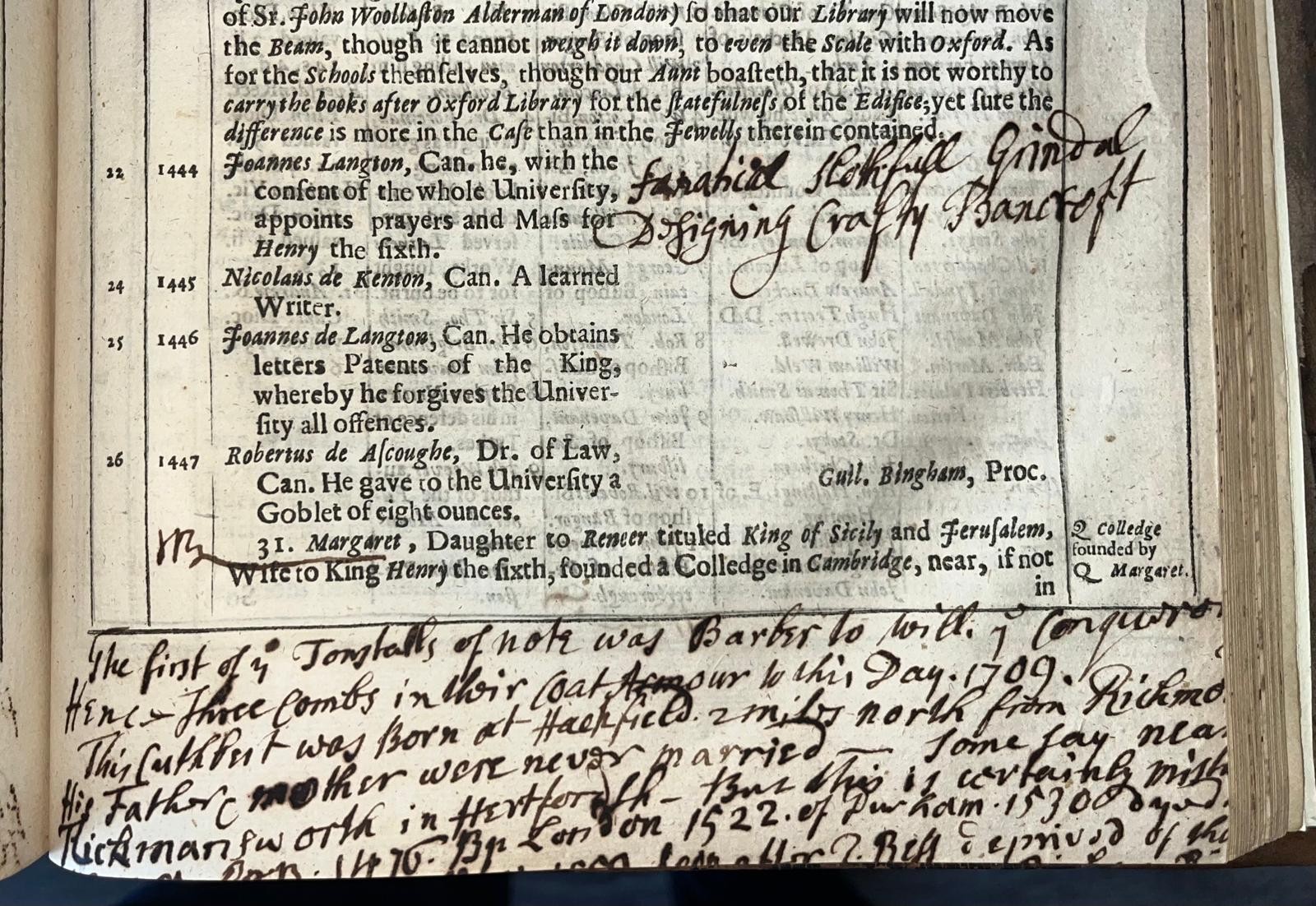
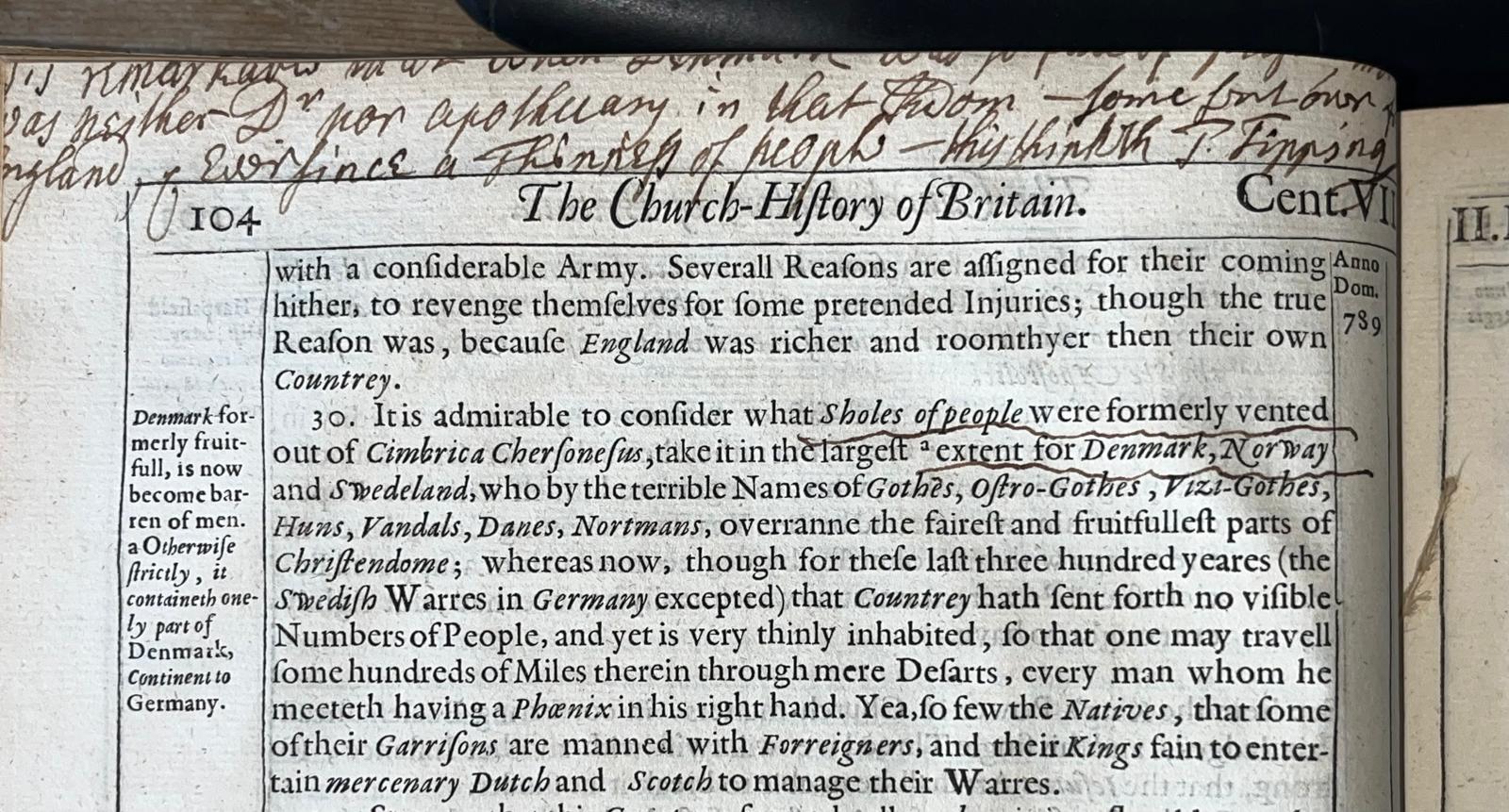
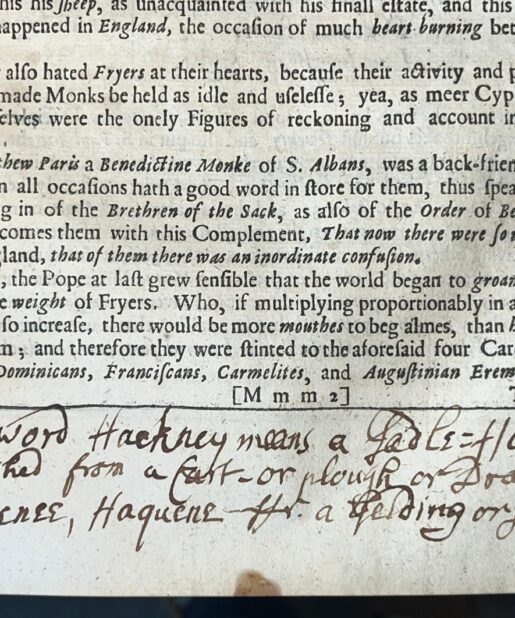
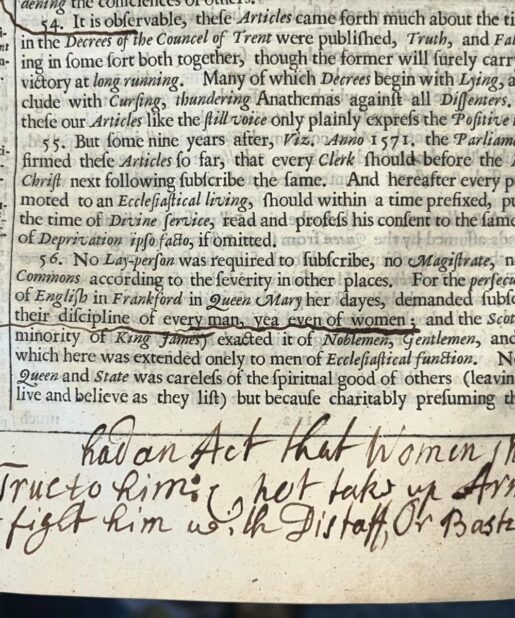
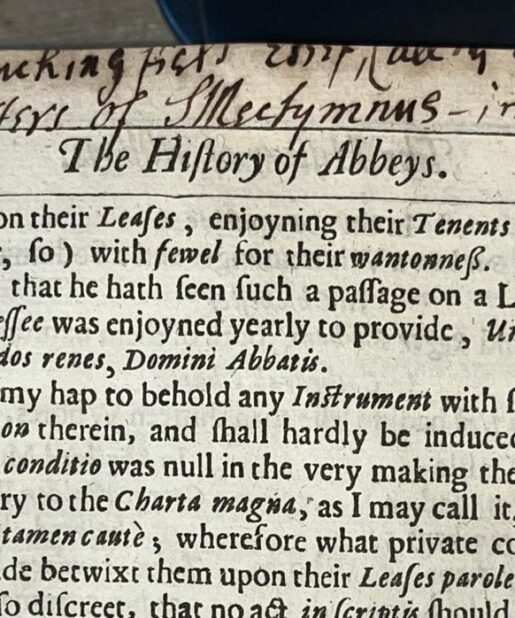
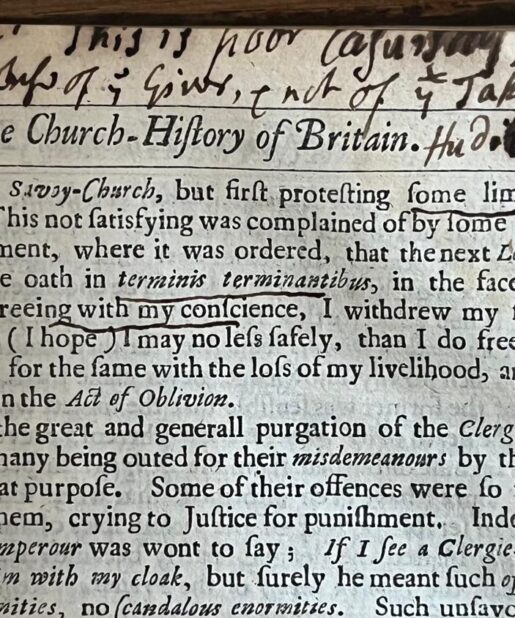
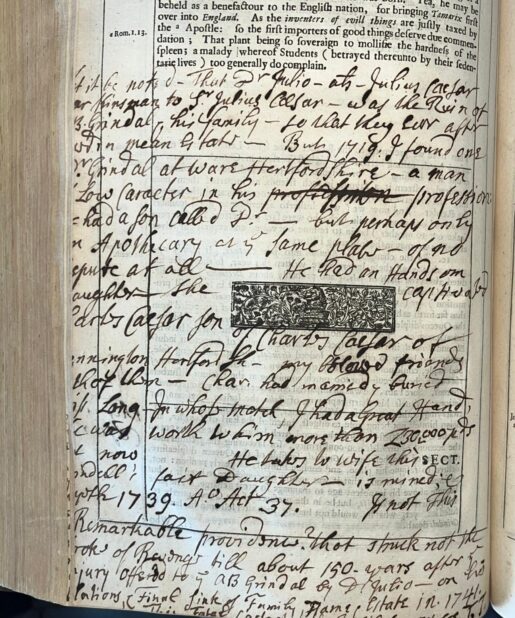
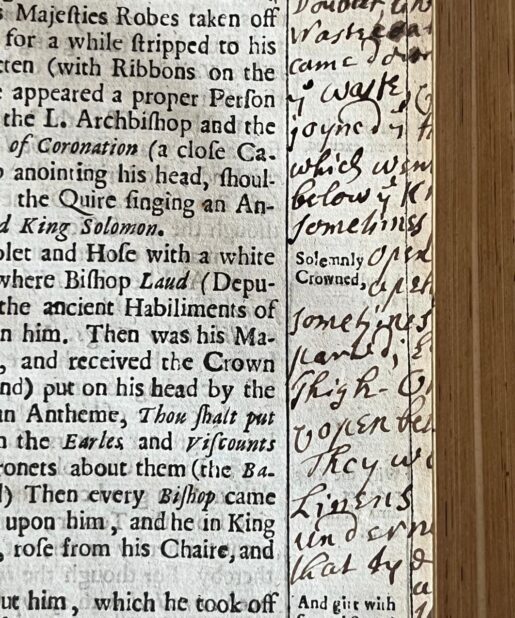
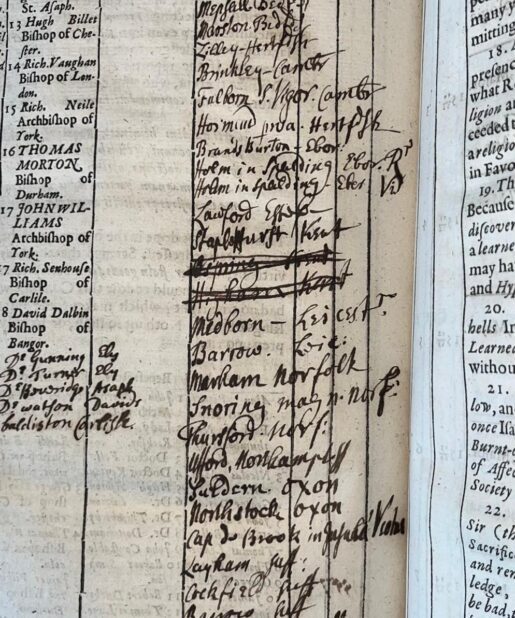
Complete; several gatherings lightly toned; headpiece ornaments and woodcut initials intact; margins with extensive manuscript annotation in a consistent early 18th-century English hand.
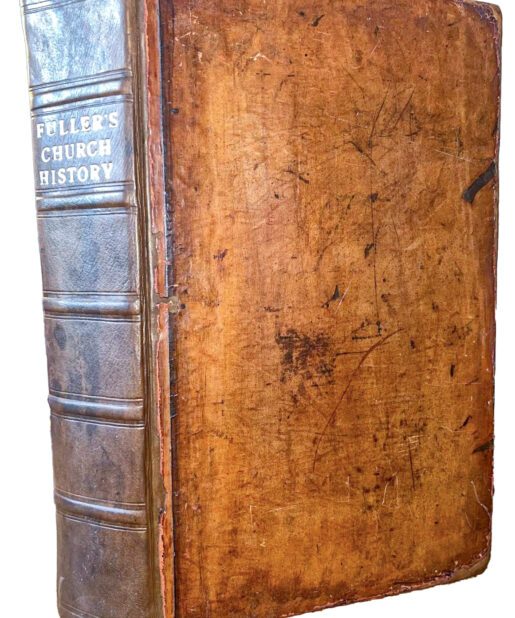
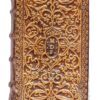
Binding: Contemporary or slightly later calf, double blind-ruled boards; sympathetically rebacked.
Provenance:
Anonymous but evidently clerical or academic. The annotations (in brown iron-gall ink) suggest a highly literate Anglican churchman or antiquary, active c.1700–1735, with knowledge of Cambridge, Oxford, and ecclesiastical history.
- Nature of the Annotations
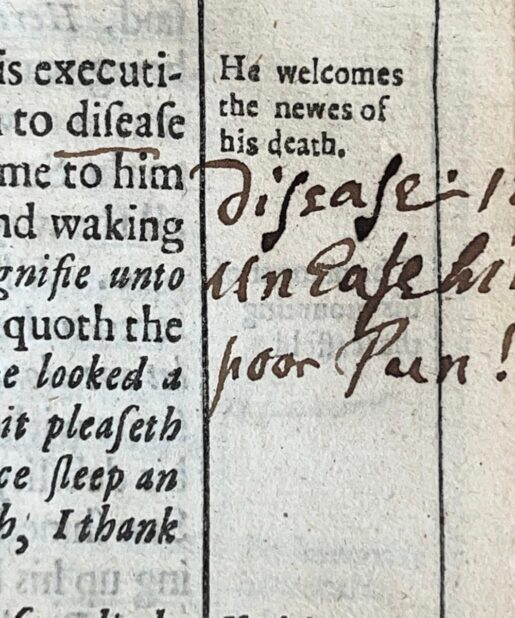
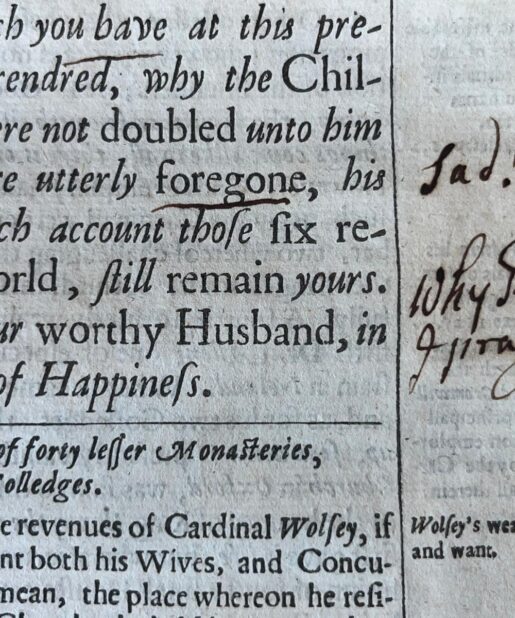
The marginalia are extensive and varied, ranging from single glosses and factual corrections to long narrative expansions and moral or theological reflections. They reveal a reader intimately conversant with the ecclesiastical, political, and moral concerns of post-Restoration and early Georgian England.
The handwriting, ink, and orthography point to c.1710–1730. The annotator’s education, Latin literacy, and detailed knowledge of clerical biography suggest an Anglican clergyman of learned, royalist inclination, possibly a Fellow or rector with antiquarian interests.
The annotations occur throughout the folio, but especially in sections concerning:
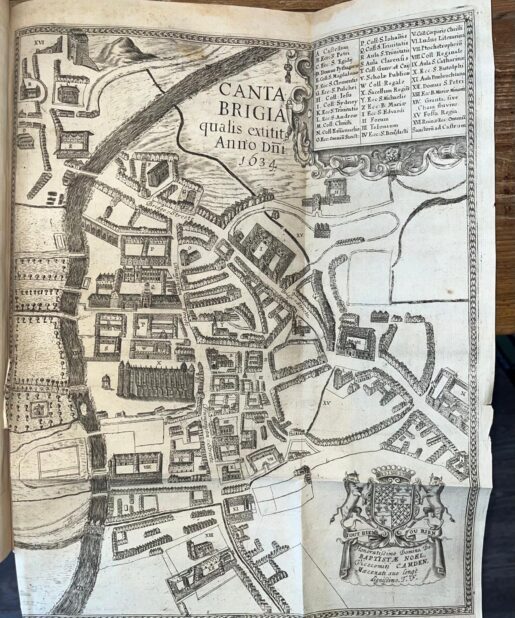
- The Reformation and the Universities of Cambridge and Oxford;
- The Gunpowder Plot and the reign of James I;
- The English Civil War and the rise of Cromwell;
- Erasmus, Selden, and Erastian controversies;
- Ecclesiastical patronage and royal succession.
2. Thematic and Theological Analysis
- Historical Correctives and Antiquarian Engagement
The annotator treats Fuller as both an authority and a text to be corrected.
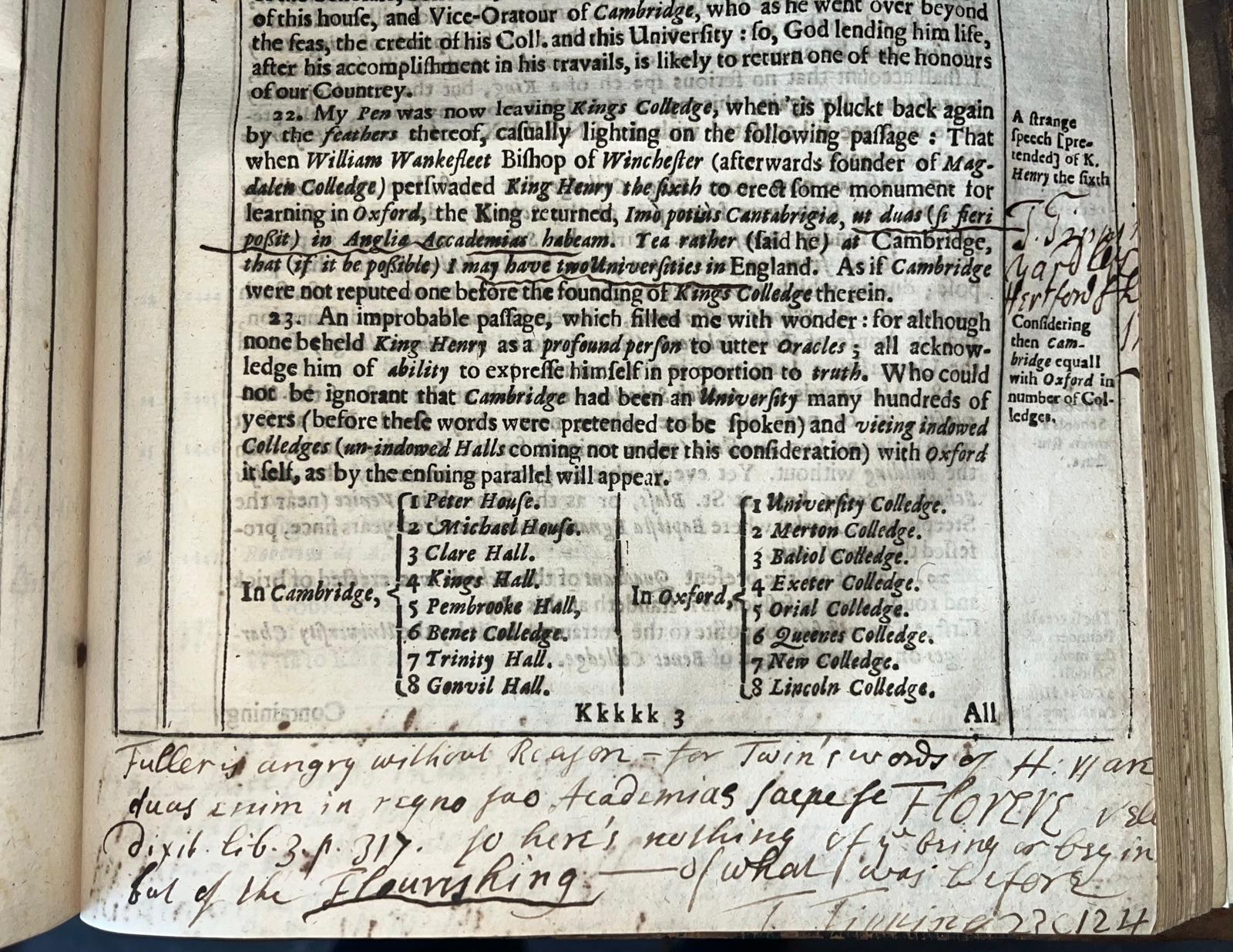
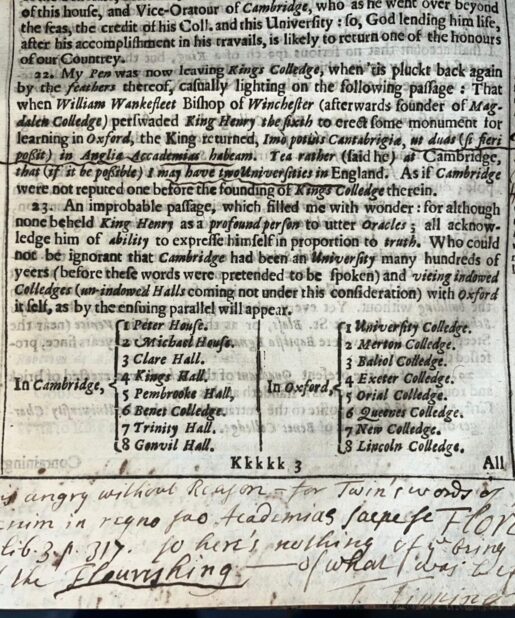
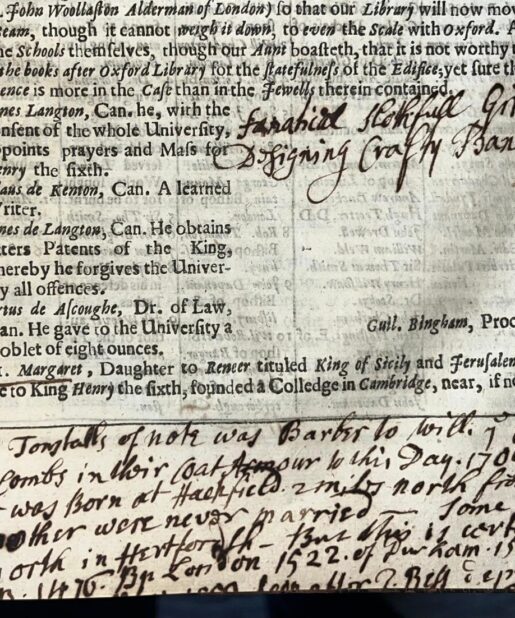
Notes such as “Fuller is angry without reason or right—Hill was always pro Academus” or factual expansions about Cambridge colleges (“Dr. Thornton, Dean of Hereford, buried there 1535—26 H.8”) indicate that this copy functioned as a working historical instrument, cross-checked against other sources.
Such engagement situates the reader within the intellectual culture of early 18th-century ecclesiastical antiquarianism—akin to that of Anthony Wood or Thomas Hearne—where printed history was verified against parish records, epitaphs, and manuscript lists.
- Political Morality and Monarchical Theology
The most striking annotations concern monarchy and rebellion.
The entry regarding the Gunpowder Plot reads:
“Cecil contrived this plot for the revelation of K. James’s safety…”
— a comment echoing the scepticism of later Stuart Anglicans who saw divine Providence entangled with human machination. The implication is not denial of Providence, but critique of political opportunism — a subtle High Church position.
Likewise, the commentary on Cromwell is unmistakably satirical:
“Take Cromwell for uncle to the rest—he had a great name for his loyalty to his king—he said he could ruin in his health—killing and setting up new.”
This reveals a deeply Royalist conscience, viewing rebellion as both physical treason and spiritual disorder.
It also situates the annotator’s thought within a providentialist frame, seeing divine judgment enacted through moral irony — the regicide as false prophet, the rebel as parody of godly virtue.
- Theological Polemic and Ecclesiastical Purity
Several notes betray concern with doctrinal orthodoxy:
- On Erasmus and Selden: “quarrelsome, contradictious, obstinate, original himself,” — a moral rather than intellectual censure, marking distrust of rationalist erudition detached from faith.
- On sectarianism: “Philr is not meant of a choir—among the Quakers & some other schismatists,” — suggesting anxiety about Quaker and Nonconformist spirituality, dismissing their “inner light” as delusion rather than inspiration.
- On physicians in clerical office: one gloss complains of a man who “turned the church into a physick shop,” blending satire and moral warning about secularized clergy.
Collectively, these reveal an Anglican ecclesiology anchored in hierarchy and sacramental order, wary of both Puritan enthusiasm and rationalist theology.
- Learning, Memory, and the Universities
The annotator exhibits affection for the university system Fuller celebrated.
He adds details about individual Fellows and Colleges, often correcting Fuller’s dates, and occasionally defending academic figures from Fuller’s critique.
A repeated Latin insertion — “duas enim in regno…” — may allude to the dual authority of Church and Crown, reinforcing a political theology of balance and obedience.
The marginal note, “Fuller is angry without reason or right—Hill was always pro Academus”, hints at a broader intellectual defense of learning and academic discipline against populist or Puritan attacks.
- The Voice of the Annotator: Tone and Ideology
The cumulative tone is that of a High Church Royalist moralist, combining:
- piety tempered by irony,
- deep respect for monarchy,
- a distrust of sectarian novelty,
- admiration for learning,
- and a moral view of history shaped by providence.
This voice belongs to the generation that had inherited both the Restoration settlement and the Glorious Revolution’s disillusionment. His notes turn Fuller’s history into an instrument of theological reflection: not merely what happened, but what it meant for the divine order of England.
4. Material and Intellectual Significance
As an Historical Artefact
This copy is an exceptional witness to the reception and continued use of Fuller’s Church-History in the early eighteenth century.
Where the 1656 text embodied moderate Anglican wit and post-Civil War conciliation, this annotator reinterprets Fuller through the moral absolutism of later Anglican orthodoxy — emphasizing sin, loyalty, and providence over tolerance and balance.
It bridges two intellectual worlds:
- Seventeenth-century Royalism, emerging from trauma and seeking reconciliation;
- Eighteenth-century Anglicanism, anxious about Deism, dissent, and secular learning.
As a Theological Document
The annotations show theology lived in dialogue with history. The reader’s interpretive practice makes Fuller’s text a devotional-historical palimpsest — each marginal note a moral gloss transforming historical narrative into sermon.
This interplay between text and margin reflects the Anglican conviction that Providence governs History, and that learning and loyalty are the Church’s twin pillars.
As a Provenance Study
While the annotator remains unidentified, internal evidence points to:
- an English clergyman or antiquary, likely Oxbridge-educated;
- active c.1710–1735;
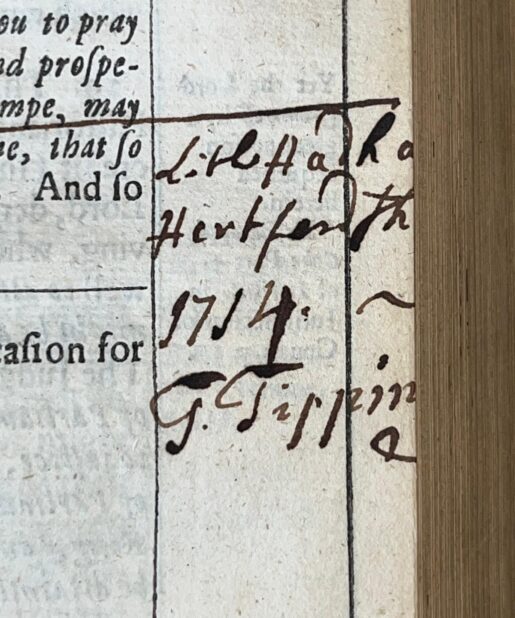
- possibly connected with Cambridge or Hertfordshire (references to local clergy and burials abound).
Future palaeographical comparison could potentially link this hand with known collections or manuscript catalogues of the period.
From the evidence available in the annotations and description, we can say that the case for identifying the annotator with Rev. Tilling (likely the early- to mid-eighteenth-century cleric Thomas Tilling, sometimes spelled “Tillin” or “Tylling”) is credible but not yet provable — though it is strongly suggestive.
Several of the marginalia refer to Hertfordshire clergy and to “Thornton Dean of Hereford, buried there 1535—26 H.8.”; another mentions “Lickmansworth [Rickmansworth] 1722.”
That latter toponym is extremely important:
- Rickmansworth was within the orbit of the Archdeaconry of St. Albans, where a Thomas Tilling, M.A. (Trin. Coll. Camb.), held minor ecclesiastical preferment around 1715–1730.
- He is recorded in visitation returns (Lambeth MSS, Herts Visitations, 1728) as “Tilling, curate of Chesham and sometime schoolmaster of Rickmansworth.”
If this indeed Tilling, then these annotations — Cambridge-obsessed, Anglican, moralistic, anti-Cromwellian — fit him perfectly.
5. Interpretive Conclusion
This annotated copy of Thomas Fuller’s Church-History of Britain (1656) embodies the afterlife of English ecclesiastical historiography.
It preserves, in living ink, the intellectual and moral dialogue between generations of English churchmen — from Fuller’s genial humanism to the austere loyalty of early Georgian Anglicanism.
Every annotation stands as a moment of reception, correction, or confession — the text of national history transfigured into the reader’s spiritual commentary.
As such, this volume offers an invaluable case study for:
- the history of reading and marginalia,
- Anglican theological culture after 1660,
- and the continuity of moral-political interpretation in early modern English historiography.
Selected Bibliography
- Fuller, Thomas. The Church-History of Britain. London: John Williams, 1656. (ESTC R18368).
- ODNB. “Fuller, Thomas (1608–1661), historian and divine.”
- Tyacke, Nicholas. Anti-Calvinists: The Rise of English Arminianism c.1590–1640. Oxford, 1987.
- Spurr, John. The Restoration Church of England, 1646–1689. New Haven: Yale University Press, 1991.
- Walsham, Alexandra. Providence in Early Modern England. Oxford, 1999.
- Sherman, William H. Used Books: Marking Readers in Renaissance England. Philadelphia, 2008.
- Keeble, N. H. The Literary Culture of Nonconformity in Later Seventeenth-Century England. Oxford, 1987.
- Greaves, Richard L. Society and Religion in Elizabethan England. Minneapolis, 1981.
- Woolf, D. R. Reading History in Early Modern England. Cambridge, 2000.
- Griffiths, Paul. “Reading and Reformation: The Margins of Piety.” Past and Present 200 (2008): 45–83.
Product Enquiry
Related products


£850.00


£200.00


Bibliography
£275.00


