

This piece has been placed.
Many works of comparable significance pass through our hands each year.
If you’re seeking something similar, please send us an enquiry or browse recent acquisitions.
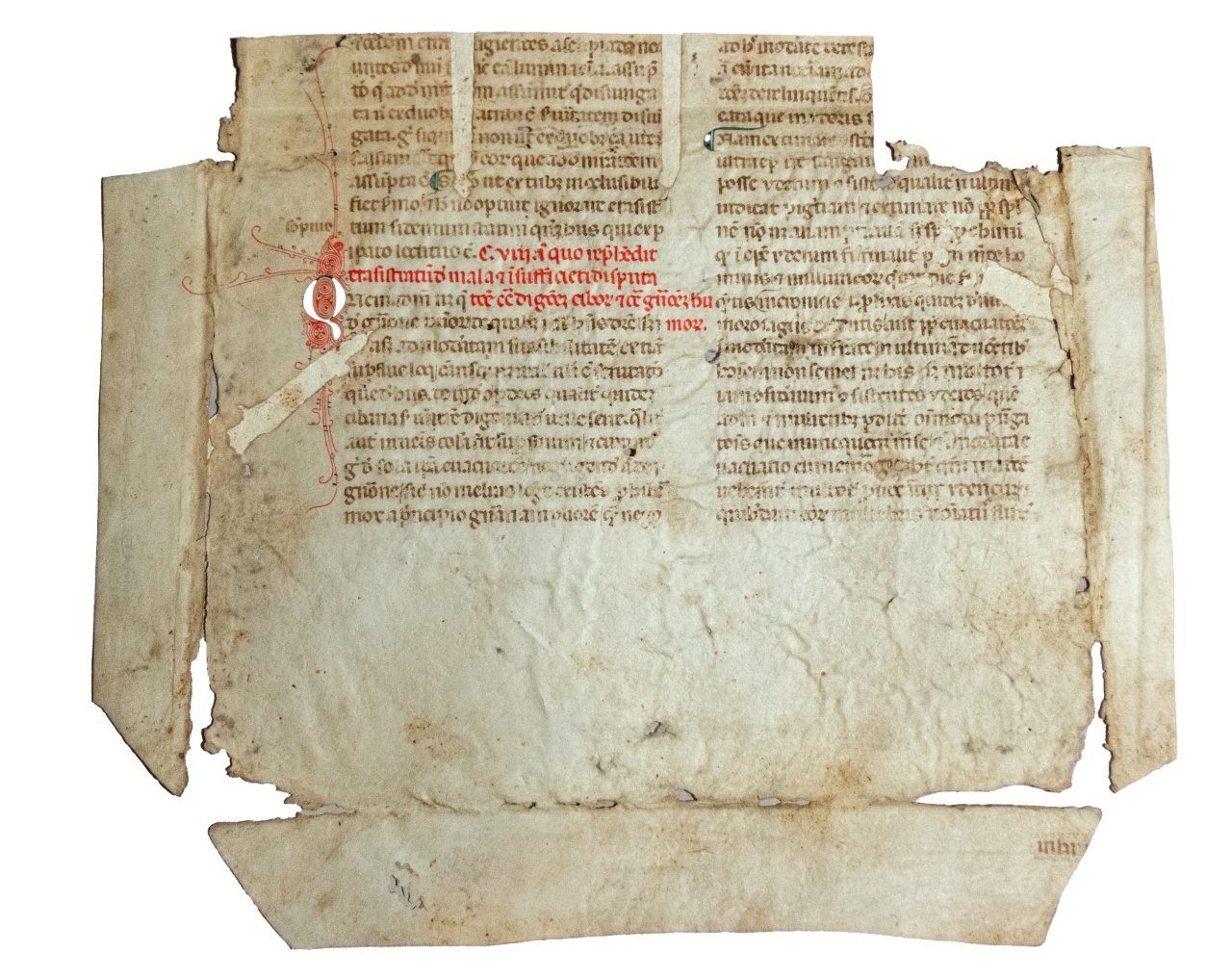
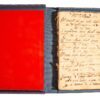
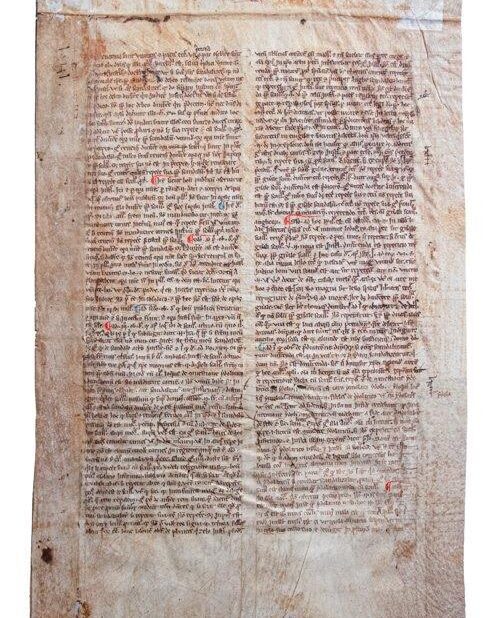
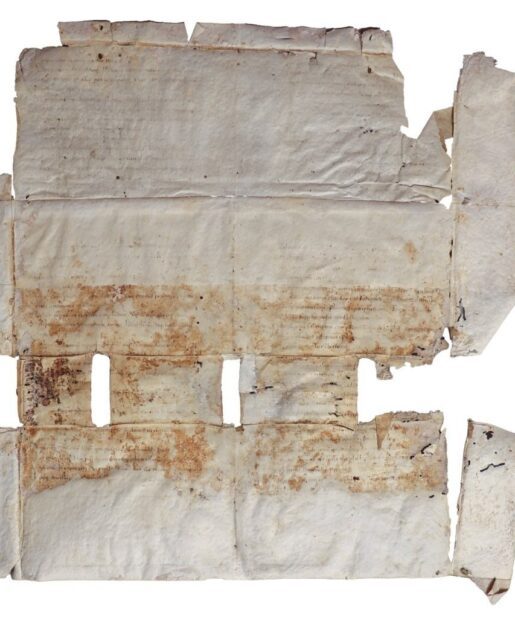
A fragment of Galen, De naturalibus virtutibus, translated into Latin by Burgundio of Pisa (d. 1193), decorated manuscript on parchment
£1,800.00
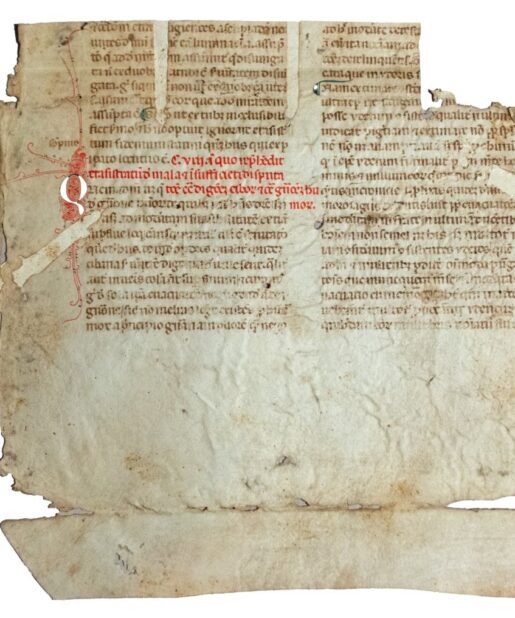
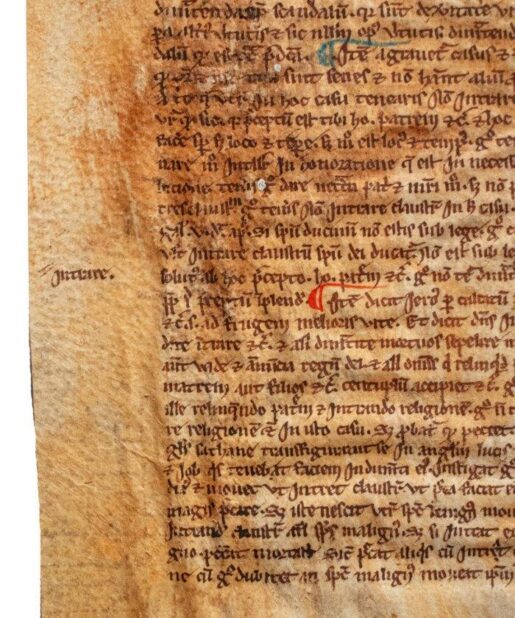
Galen A fragment of Galen, De naturalibus virtutibus, translated into Latin by Burgundio of Pisa (d. 1193), decorated manuscript on parchment. Italy, late C13 or early C14, c.1300
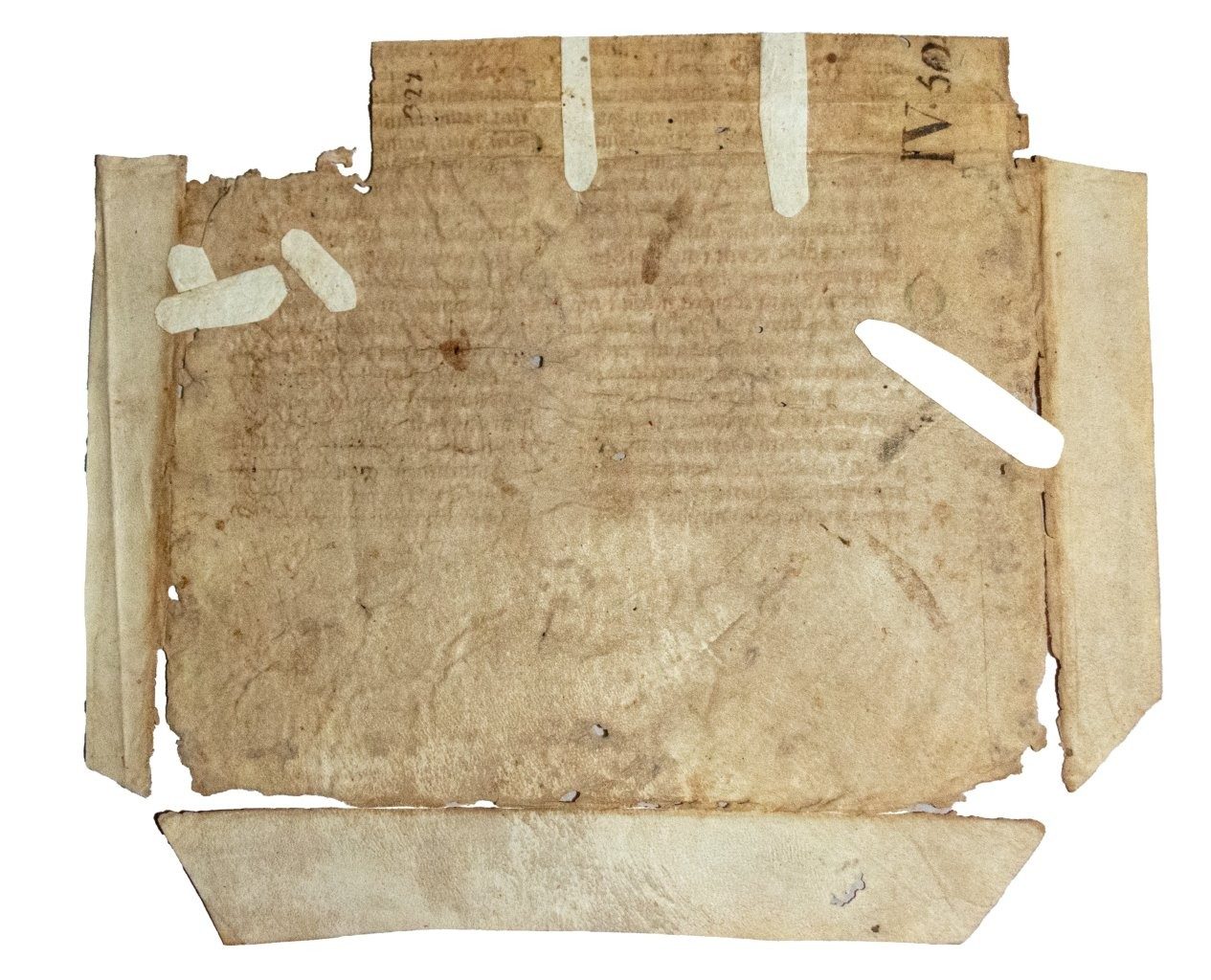
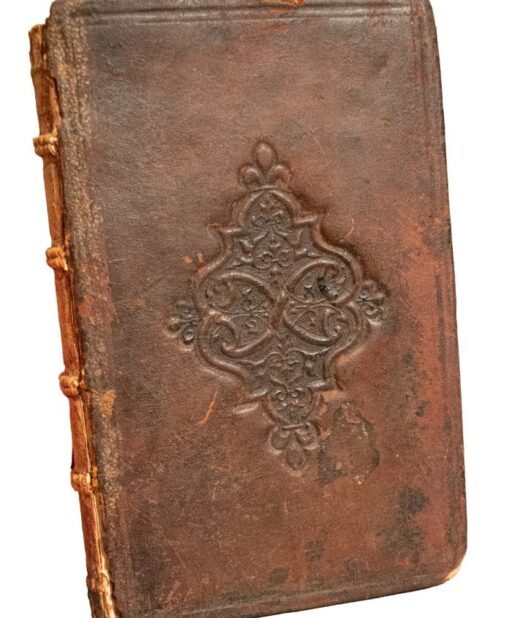
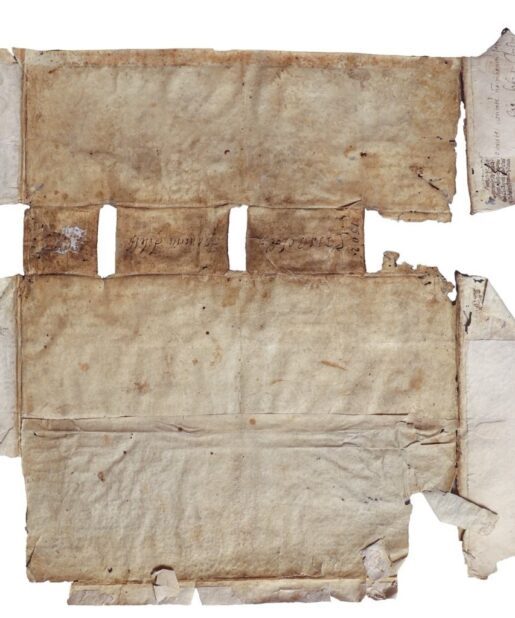
The lower part of a leaf, c. 260 × 220mm, preserving most of the lower 21 lines of two columns of text written in a fine formal southern textualis gothic script, with a three-line rubric in red, paraphs in blue, decorated with a two-line initials in blue from which springs elaborate flourishing in red, including four tight coils, with blue details, with a catchword showing that this was the last leaf of its quire; recovered from use as a book cover, with consequent creases, losses, staining, etc., the blue initial mostly gone, the reverse mostly illegible apparently due to having been scrubbed of its text, with 17th(?)-century numbers 327 and IV.52 on the spine Text Galen, De naturalibus virtutibus (or De facultatibus naturalibus, On the Natural Capacities) Book 2, the end of the short chapter 7 and beginning of chapter 8, the latter beginning with a rubric and flourished initial: C(apitulum) VIII in quo reprehendit Erasistratum de mala & insufficienti disputatione circa digestionem ciborum & circa generationem humorum. Quemadmodum neque de generatione humorum de quibus nil habens dicere […] nominatus fluxus . There is no modern edition, but in the first incunable edition (Venice, 1490; GW no. 10481) this text appears on fols. gviijv hir / 39v 40r column 1 line 33.
Product Enquiry
Related products

C12th - C13th manuscripts
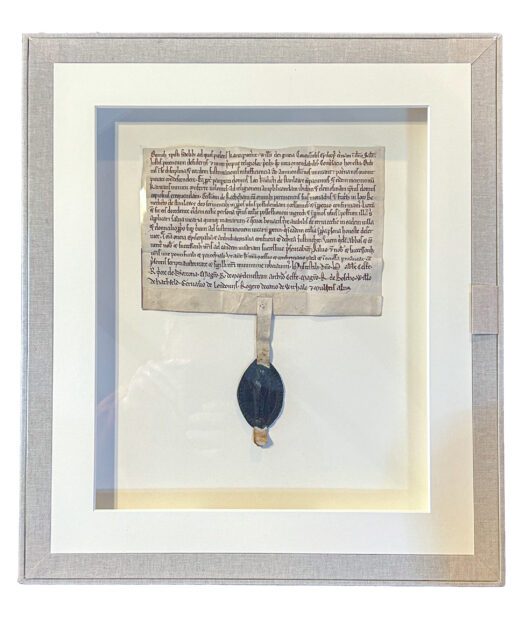
Latin charter granting the church of Rochdale to the Cistercian Abbey of Stanlaw, 1222 AD
£9,500.00


C12th - C13th manuscripts
£5,000.00


C12th - C13th manuscripts
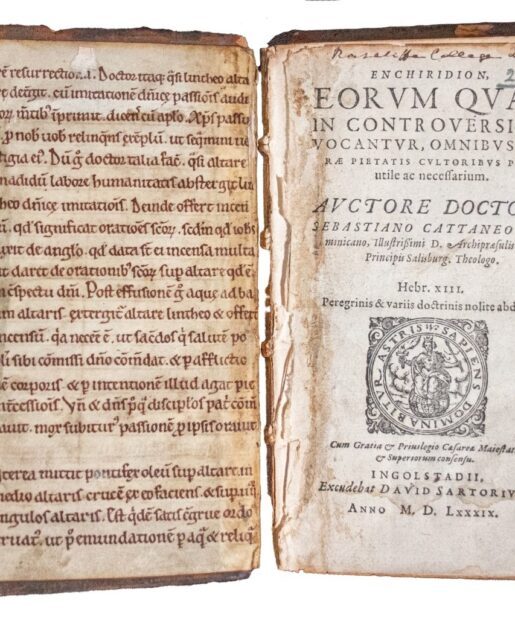
Pseudo-Jerome (perhaps Augustine) Commentary on Psalm 59, Italy pre-1180
£1,500.00
![Fragmentary leaf of a Glossed Gospels, in Latin, manuscript on vellum [France(?), 12th century (3rd? quarter)]](https://stephenbutler.com/wp-content/uploads/2024/09/IMG_1175-515x618.jpg "Fragmentary leaf of a Glossed Gospels, in Latin, manuscript on vellum [France(?), 12th century (3rd? quarter)]")
C12th - C13th manuscripts
£1,600.00
C12th - C13th manuscripts
£1,500.00


C12th - C13th manuscripts
£1,900.00
C12th - C13th manuscripts
£3,000.00