



This piece has been placed.
Many works of comparable significance pass through our hands each year.
If you’re seeking something similar, please send us an enquiry or browse recent acquisitions.
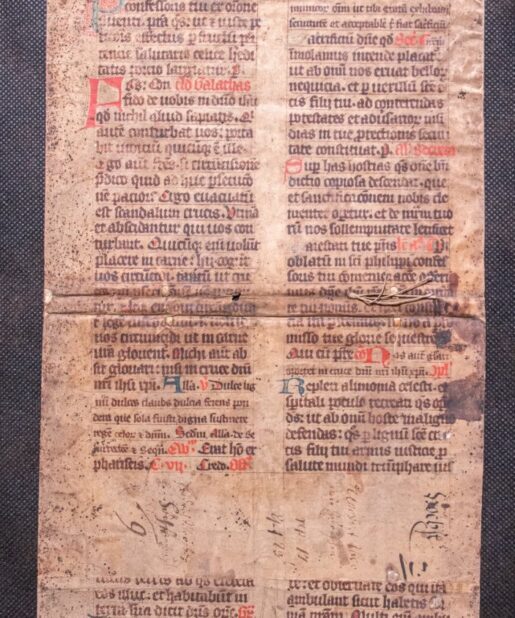
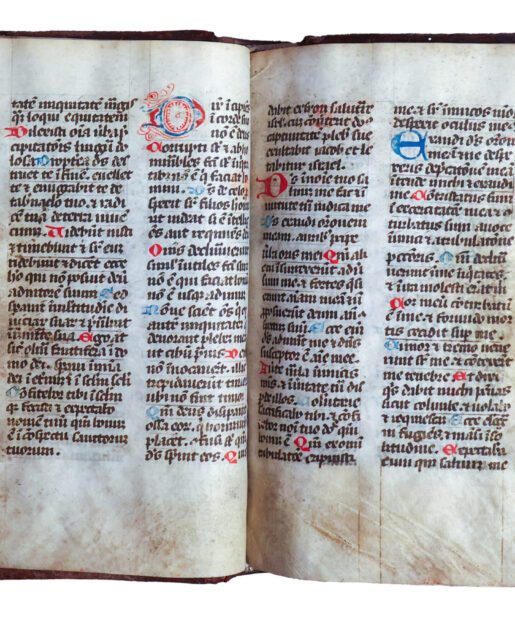
Missal, Germany C14th on vellum from a binding
£350.00
Missal. Germany, 14th century manuscript
Published by Germany, 1350
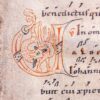
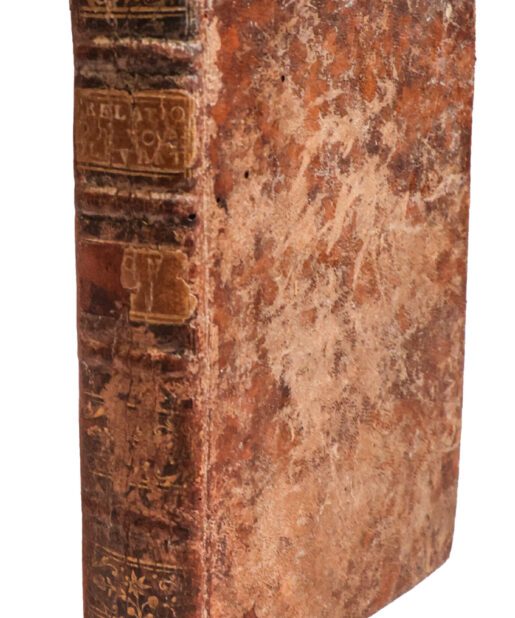
A leaf, and a portion of another stuck to it, c.325×200mm overall (with the edges folded over), the main leaf c.310×240mm when unfolded; ruled in ink for 2 columns of 32 lines; the text comprising most of the feast of St Philip (1 May); decorated with large initials alternately blue with red flourishing or vice versa, 1-line initials alternately red or blue; original foliation Cxl in red ink in the upper outer margin. Provenance: Despite the rather French-looking script and flourishing, the abbreviation Ew for Evangelium and the later provenance both suggests a German origin. Stuck to the inner face are pages from a book printed mainly in Fraktur, with a running-title Augspurgische Confession . German inscriptions on the outer side include the date 1650 and the word Höchst
Product Enquiry
Related products


Arabic and Ottoman
£1,900.00
C14th -C16th manuscripts
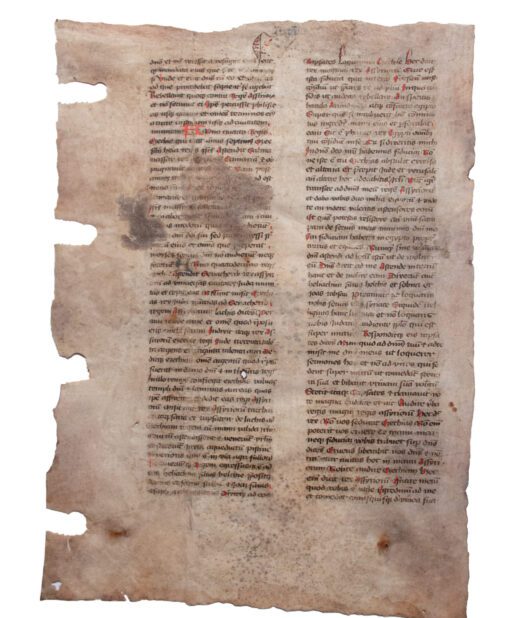
Leaf from a Bible, II Kings 17, C15th manuscript in Latin on parchment
£750.00


Arabic and Ottoman
£2,000.00
![Bifolium from St Simon of Cascia, De gestis domini salvatoris, in Latin, decorated manuscript on vellum [Southern Netherlands, 14th century]](https://stephenbutler.com/wp-content/uploads/2024/09/IMG_1181-515x618.jpg "Bifolium from St Simon of Cascia, De gestis domini salvatoris, in Latin, decorated manuscript on vellum [Southern Netherlands, 14th century]")
![Bifolium from St Simon of Cascia, De gestis domini salvatoris, in Latin, decorated manuscript on vellum [Southern Netherlands, 14th century]](https://stephenbutler.com/wp-content/uploads/2024/09/IMG_1179-515x618.jpg "Bifolium from St Simon of Cascia, De gestis domini salvatoris, in Latin, decorated manuscript on vellum [Southern Netherlands, 14th century]")
C14th -C16th manuscripts
£2,000.00

C14th -C16th manuscripts
Finely produced illuminated leaf from a French Psalter, c.1480
£550.00


C14th -C16th manuscripts
Complete gathering of 8 leaves from a Book of Hours, Flanders or northern France c.1450-1475
£1,800.00
![A possibly unique and unknown manuscript from the library of Sir Thomas Phillipps. Anonymous Dominican compiler, Liber de fructibus penitentiae (alias Flores de penitentia or Summa aurea) [Southern France (Provence?), 14th century (1st half)]](https://stephenbutler.com/wp-content/uploads/2025/04/IMG_1518-515x618.jpg "A possibly unique and unknown manuscript from the library of Sir Thomas Phillipps. Anonymous Dominican compiler, Liber de fructibus penitentiae (alias Flores de penitentia or Summa aurea) [Southern France (Provence?), 14th century (1st half)]")
![A possibly unique and unknown manuscript from the library of Sir Thomas Phillipps. Anonymous Dominican compiler, Liber de fructibus penitentiae (alias Flores de penitentia or Summa aurea) [Southern France (Provence?), 14th century (1st half)]](https://stephenbutler.com/wp-content/uploads/2025/04/IMG_1510-515x618.jpg "A possibly unique and unknown manuscript from the library of Sir Thomas Phillipps. Anonymous Dominican compiler, Liber de fructibus penitentiae (alias Flores de penitentia or Summa aurea) [Southern France (Provence?), 14th century (1st half)]")
C14th -C16th manuscripts
£8,000.00