







This piece has been placed.
Many works of comparable significance pass through our hands each year.
If you’re seeking something similar, please send us an enquiry or browse recent acquisitions.
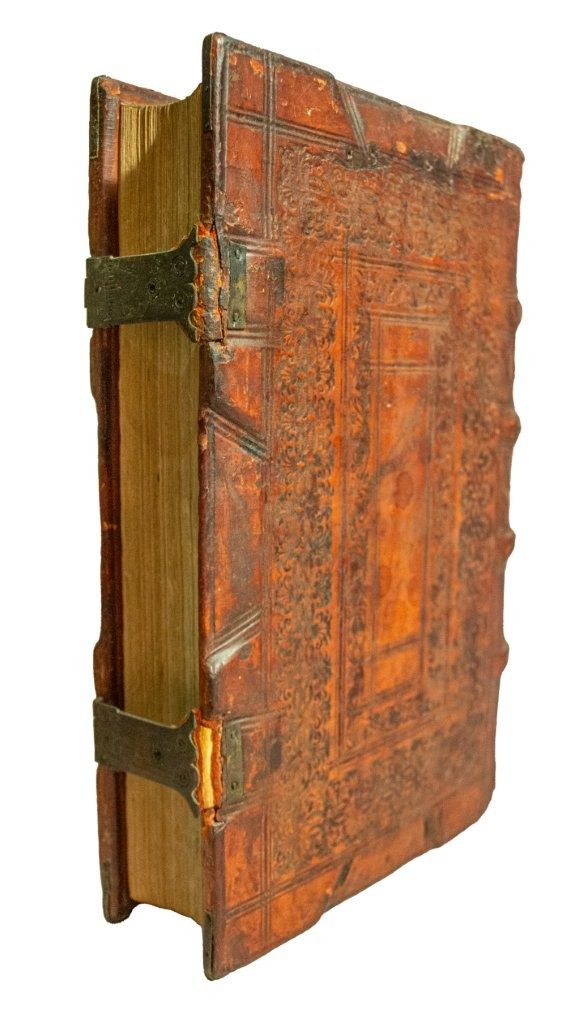
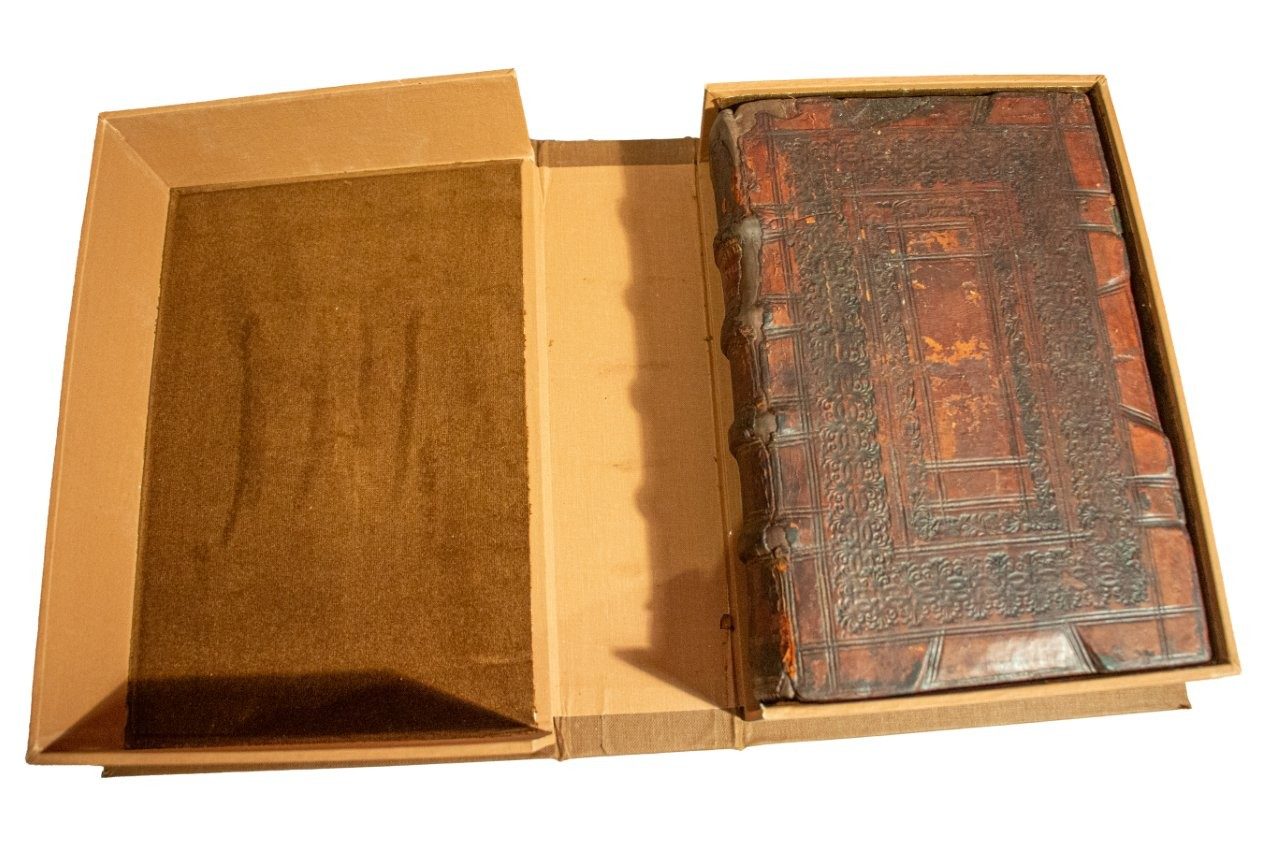
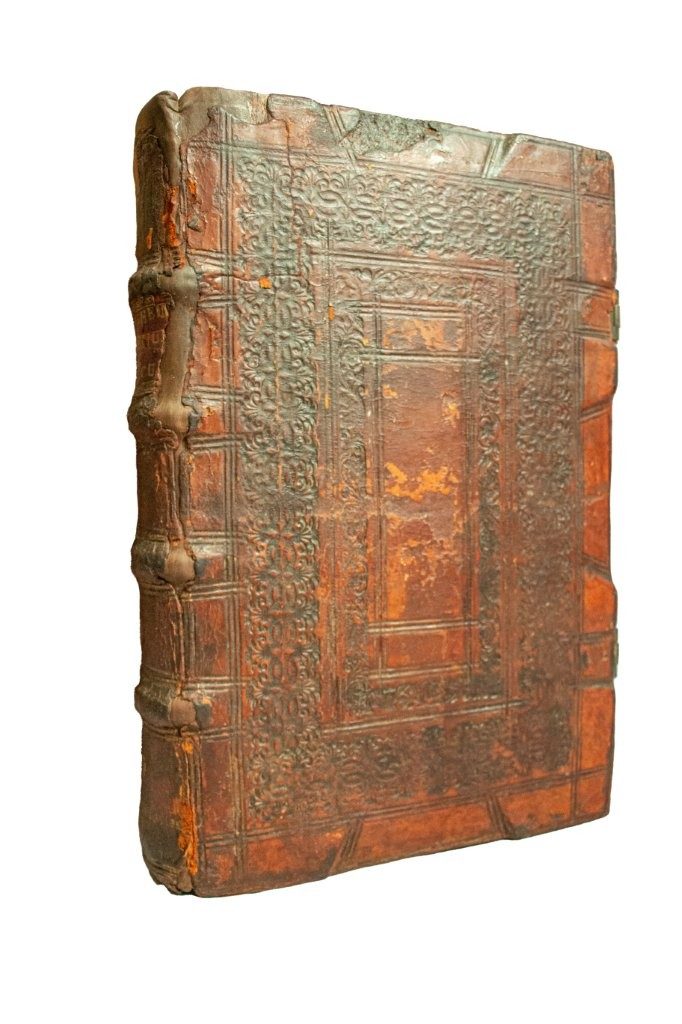
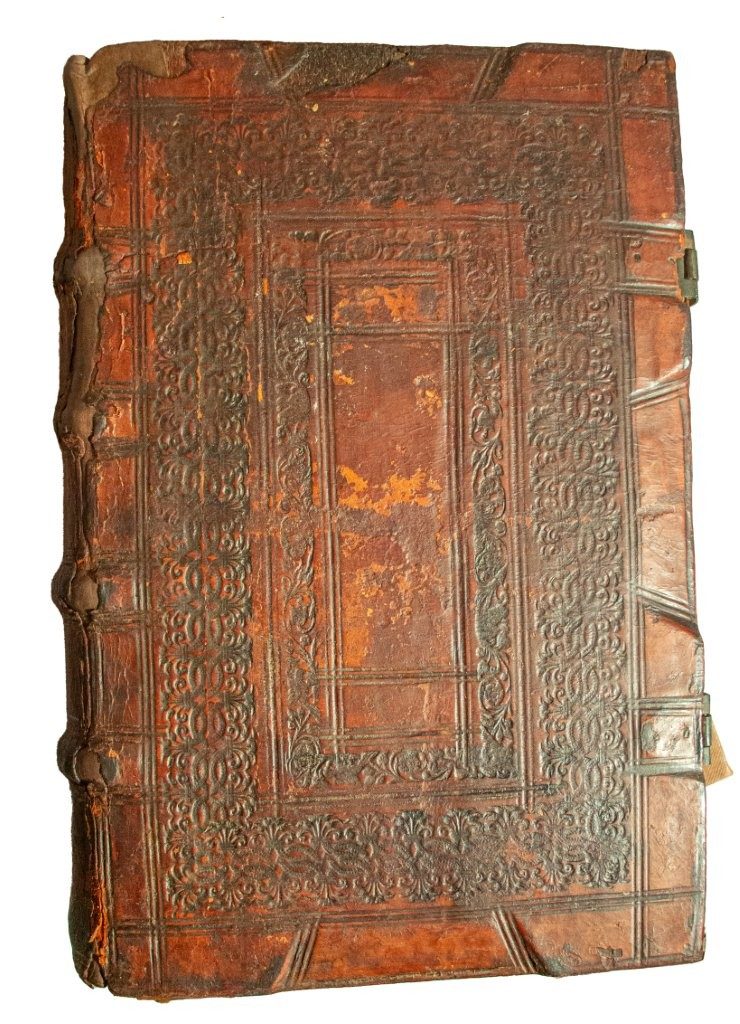
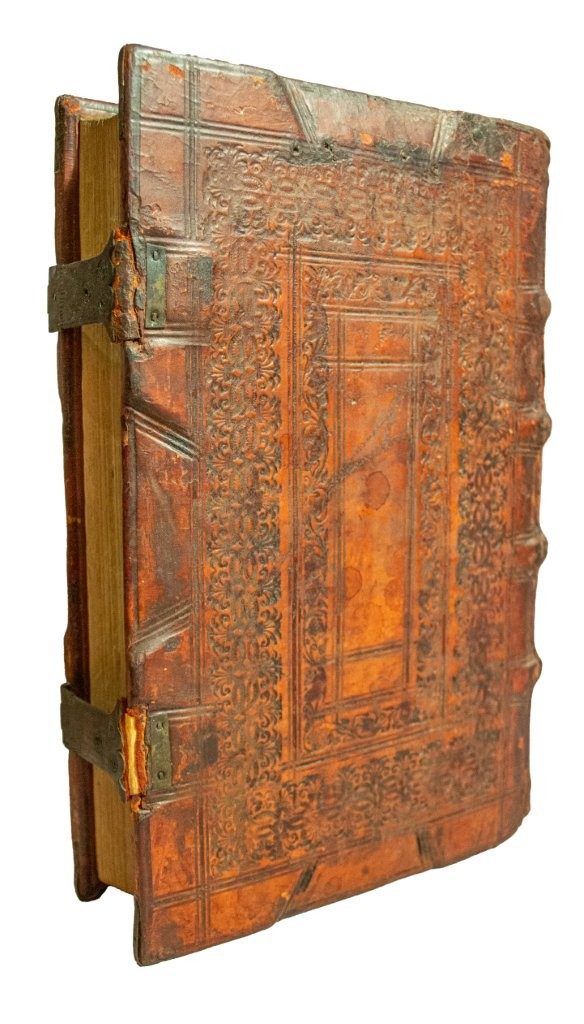
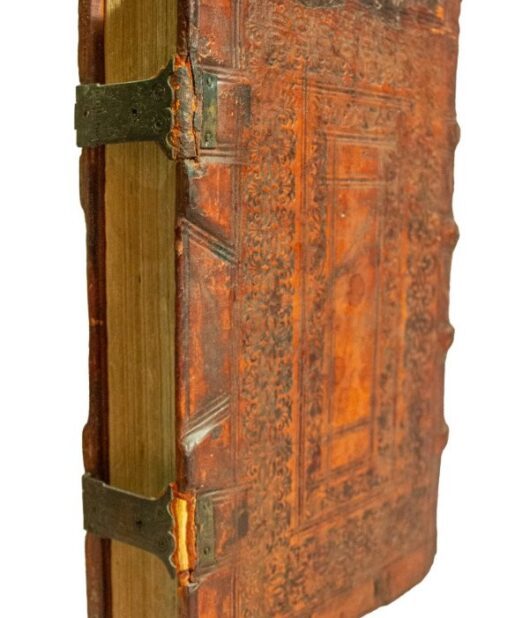
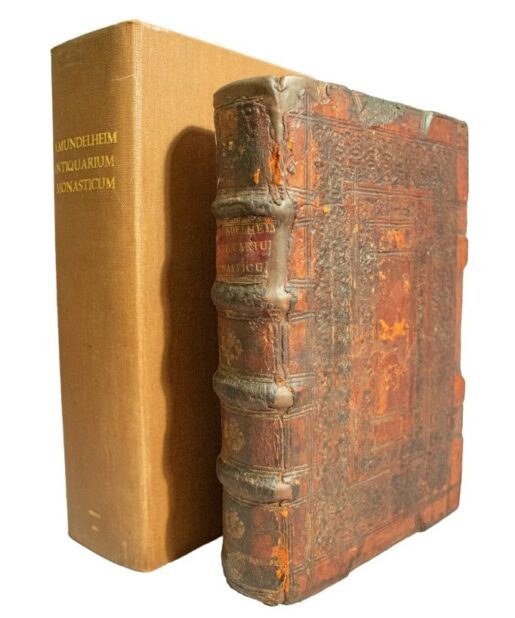
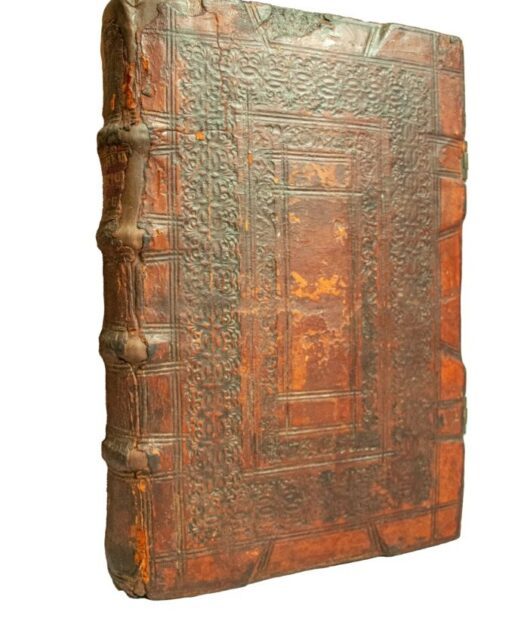
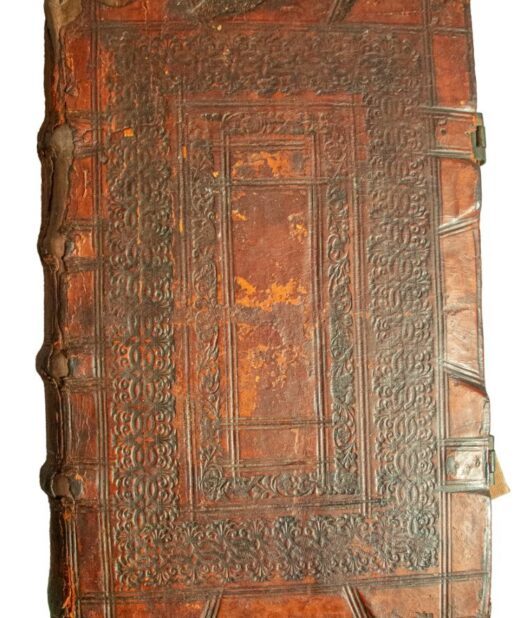
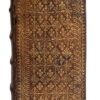
Lovely early blind-stamped German binding (ca. 1480–1530), reused on a later book.
£950.00
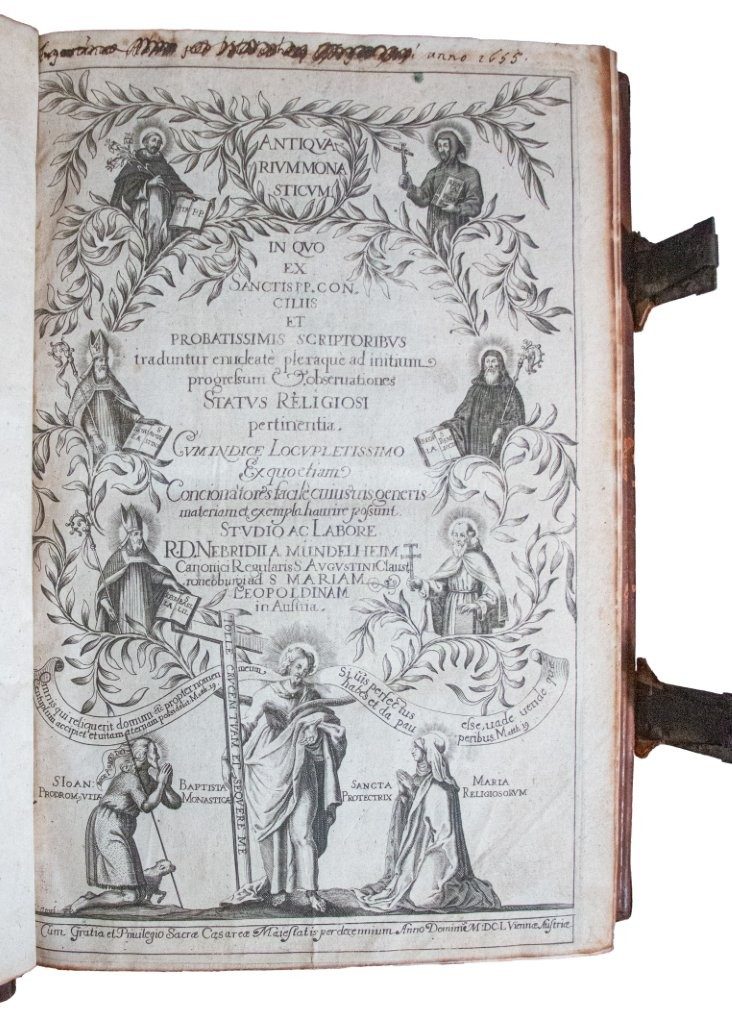
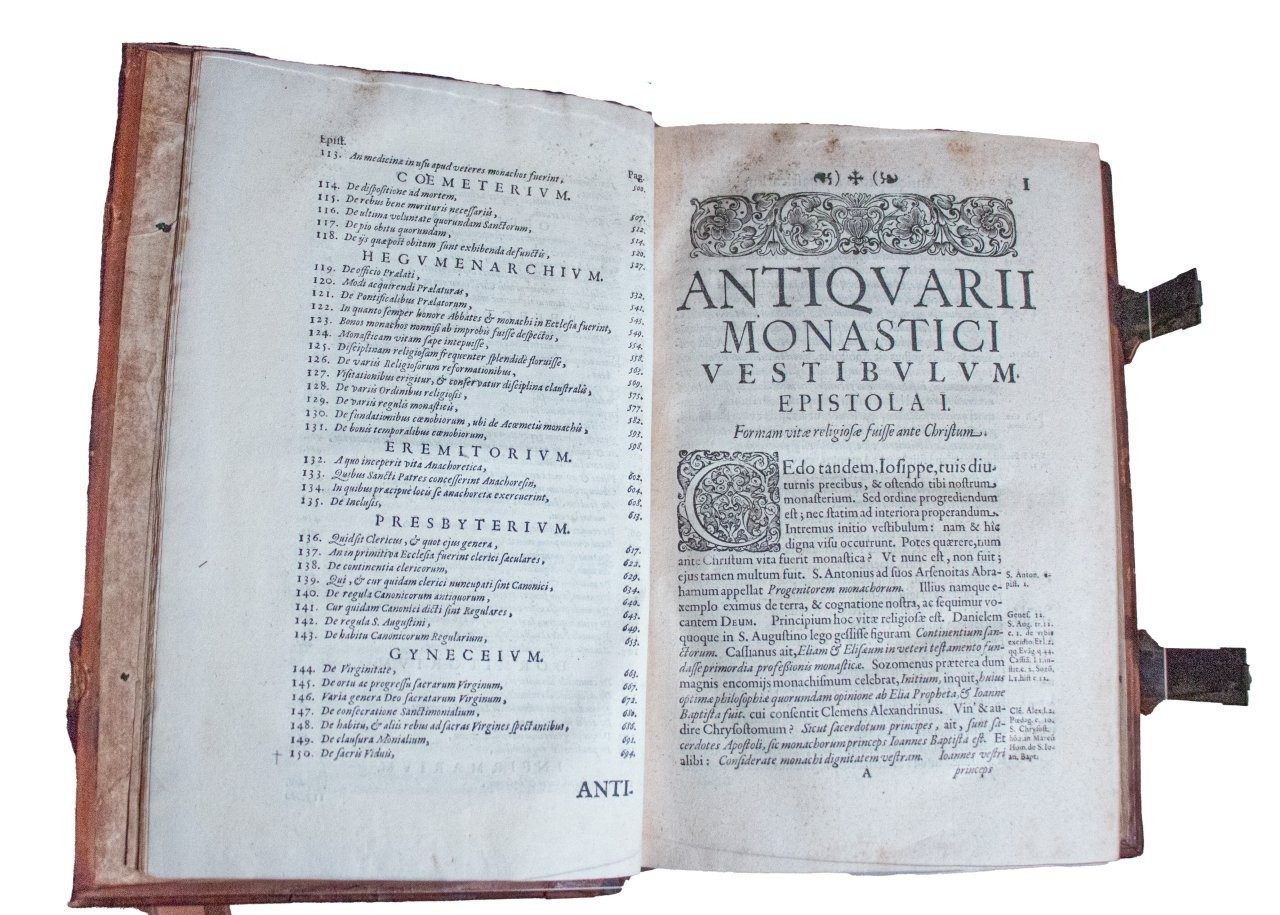
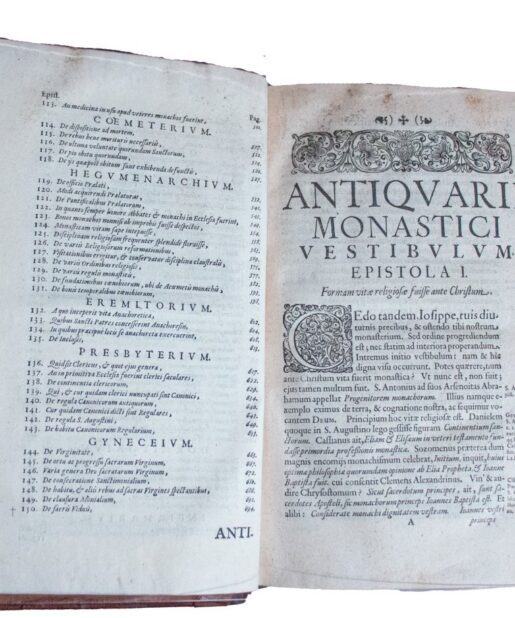
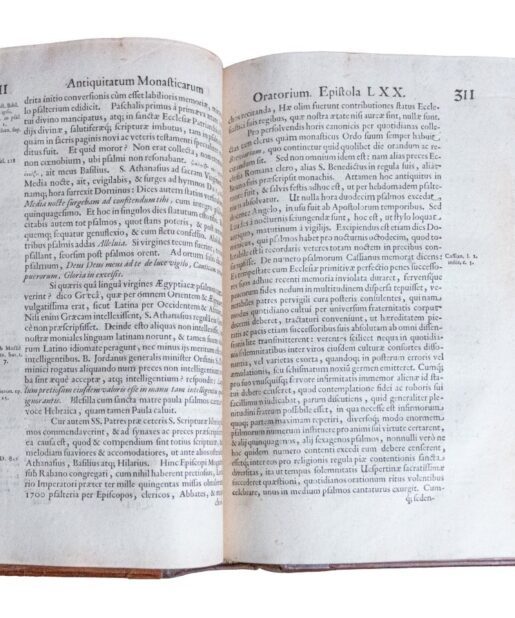
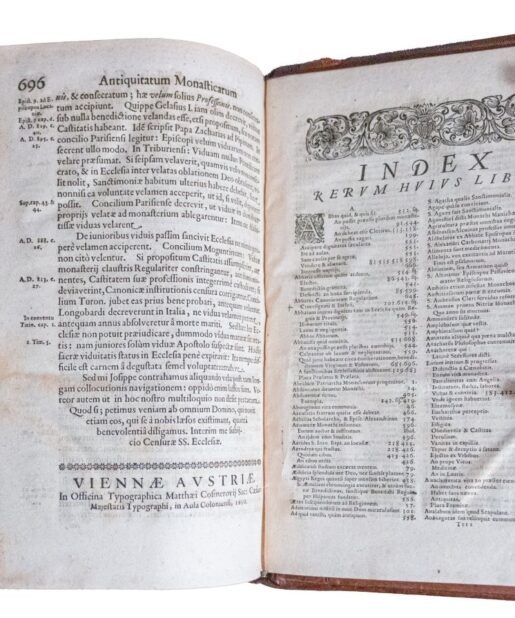
‘Antiquarium monasticum, in quo ex Sanctis PP. Conciliis et probatissimis scriptoribus traduntur enucleate pleraque ad initium, progressum et observationes status religiosi pertinentia. Cumindice locupletissimo ex quo etiam concionatores facile cuiusvis generis materiam et exempla haurire possunt. Studio ac labore R.D. Nebridii a Mündelheim canonici regulari S. Augustini claustroncorburgi ad S. Mariam Leopoldinam in Austria.’
Nebridus Müller von Mündelheim [1594–1654]
Viennae: In Officina Typographica Matthaei Cosmerovii, S.C.M. Typographi, in Aula Coloniensi. M.D.C.L. [1650].
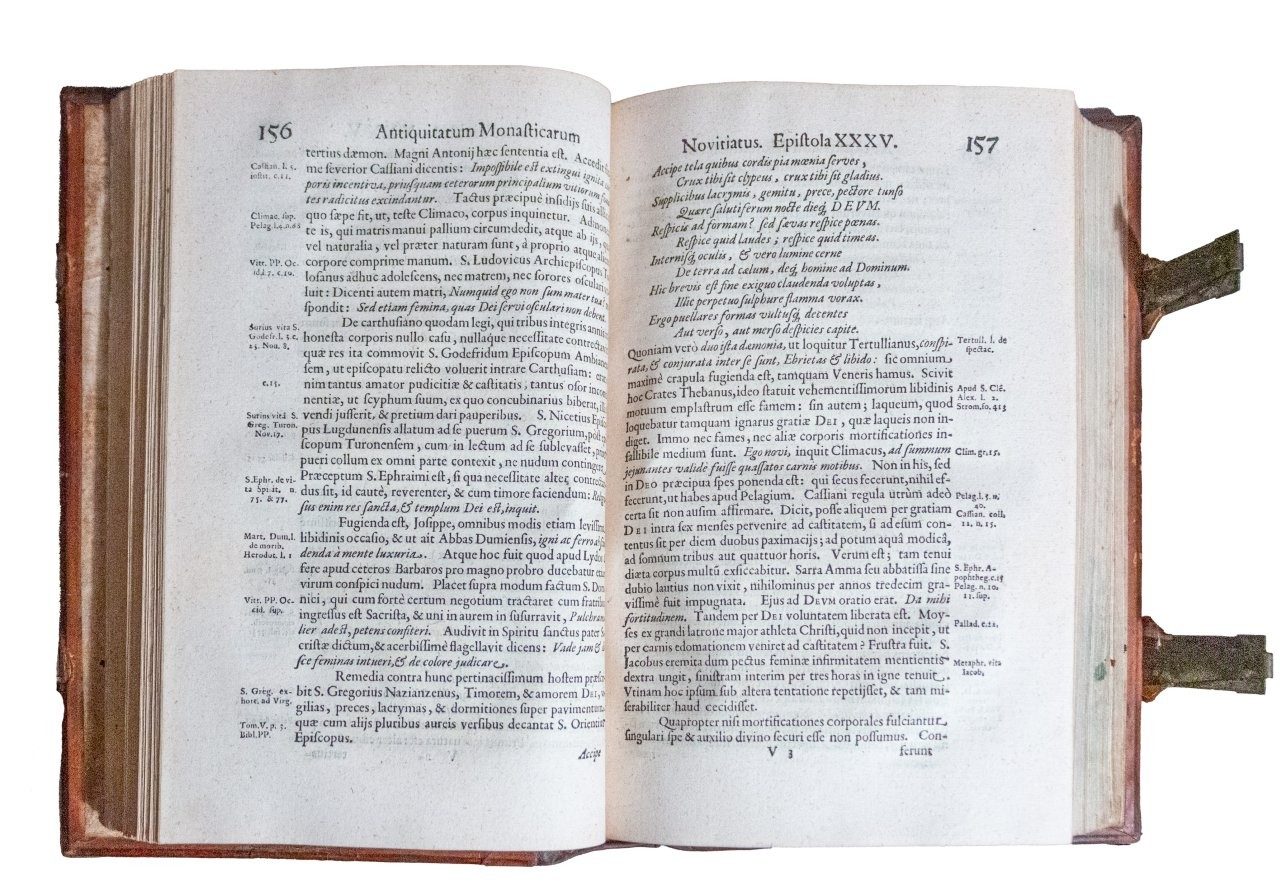
Folio [12.00” tall x 8.00” wide]. Collates complete [8], 696, [20]p. Fine engraved pictorial title page, with an upper marginal contemporary inscription marked through. A very good, clean and solid copy in the main. Minor light marks, spots or light reading wear commensurate with age else a nice copy. An attractive copy, presented in a fine contemporary blind-stamped calf binding over oak boards.
Nebridus Müller von Mündelheim, [1594 in Mündelheim (Swabia), – 20 September 1654].
Bavarian Augustinian canon of the monastery of Klosterneuburg. Müller von Mündelheim entered the monastery of Klosterneuburg on September 28, 1638 and initially entered the canons’ monastery of Dießen am Ammersee in Upper Bavaria in 1612 as a qualified “poet”. However, soon after his ordination he was transferred to the canonry of Gars, where he was both dean and treasurer from 1621 to 1623. As the Bavarian electoral commissioners wanted to make him provost of St. Zeno’s monastery in Reichenhall by force that year, he fled the position, returned to the monastery of Dießen and gave lectures on moral theology to the clergy. During the plague of 1629 he provided pastoral care in Schondorf and Dießen. In 1632 he took over the teaching post of dogmatics, but when Swedes troops attacked the Dießen monastery during Ascension Day in 1632, Nebridus fled to the Au Inn monastery, where he worked as a preacher and teacher of theology and philosophy until August 1636. For the next two years he was entrusted with pastoral care for the Augustinian Canons in the Ranshofen monastery in the Innviertel, and at the same time he took over the teaching post of logic there.
From Ranshofen, Nebridus Müller came to the monastery of Klosterneuburg, where he took the votum stabilizationis in 1640 and was appointed professor of theology and novice master by Provost Bernhard I Enoch von Waitz. In 1643 he was given the leadership of the monastery of Klosterneuburg, at that time the carved upper town in Klosterneuburg administered by the monastery; and on March 27, 1649, Müller was appointed administrator of the parish of Maria Hietzing, to which six to seven monasteries belonged at that time. Five years later, Müller died on September 20, 1654, after having devoted himself since his stay in Klosterneuburg to pastoral care and especially to literary work.
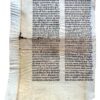
Early binding suggesting late C15th / early C16th (c. 1480-1530) almost certainly a remboîtage – an earlier binding re-used for a later book.
Early Blind-Stamped Binding (ca. 1480–1530), later reused
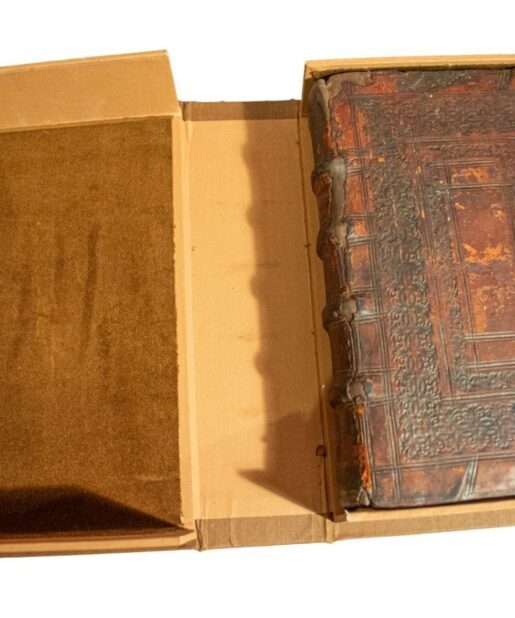
Contemporary German or Low Countries blind-stamped calf over thick wooden boards, decorated with multiple frames of intersecting fillets and repeated floral rolls; remains of two original brass clasps and catches, five raised spine bands, spine with blind tooling, original sewing structure preserved. Binding likely reused to house a later 17th century text (1650), consistent with post-medieval remboîtage practices. Wear, losses and cracks to leather, but structurally sound and retaining original furniture.
A representative example of early Renaissance blind-stamped binding from the Germanic bookmaking tradition, with characteristic foliate panel rolls and metal clasps. Comparable examples appear in the Einbanddatenbank (EBDB) and Kyriss’s catalogue of German binding tools of the 15th–16th century.
Product Enquiry
Related products


£1,800.00


£9,800.00


£750.00

![Gu Hutou Hua Lienu Zhuan (Xin Kan Gu Lienu Zhuan) [An Ancient Edition of Biographies of Virtuous Women ] Liu Xiang; images attrib. to Gu Kaizhi](https://stephenbutler.com/wp-content/uploads/2024/08/IMG_0472-515x618.jpg "Gu Hutou Hua Lienu Zhuan (Xin Kan Gu Lienu Zhuan) [An Ancient Edition of Biographies of Virtuous Women ] Liu Xiang; images attrib. to Gu Kaizhi")
![Gu Hutou Hua Lienu Zhuan (Xin Kan Gu Lienu Zhuan) [An Ancient Edition of Biographies of Virtuous Women ] Liu Xiang; images attrib. to Gu Kaizhi](https://stephenbutler.com/wp-content/uploads/2024/08/IMG_0467-515x618.jpg "Gu Hutou Hua Lienu Zhuan (Xin Kan Gu Lienu Zhuan) [An Ancient Edition of Biographies of Virtuous Women ] Liu Xiang; images attrib. to Gu Kaizhi")


£3,500.00