

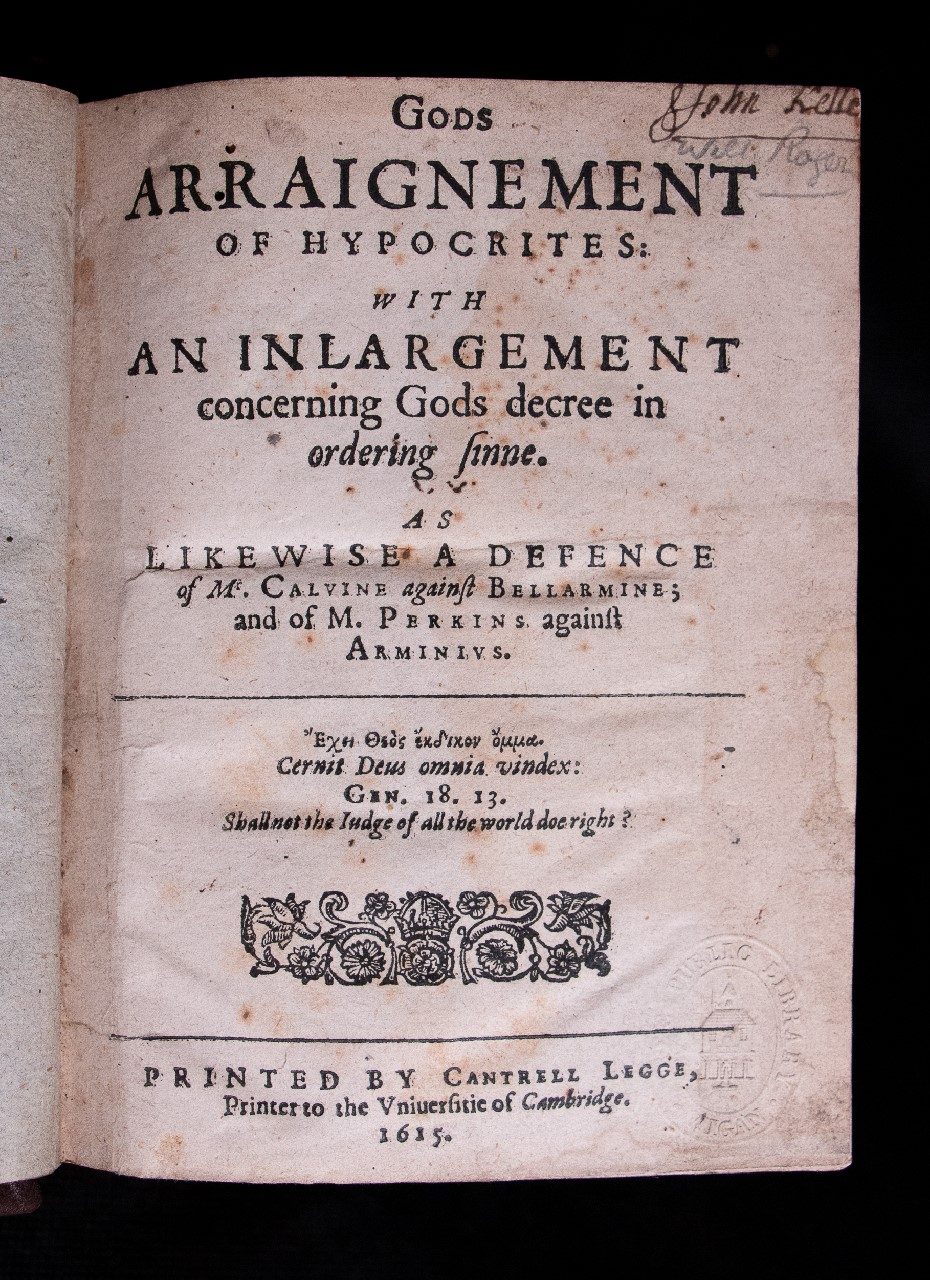

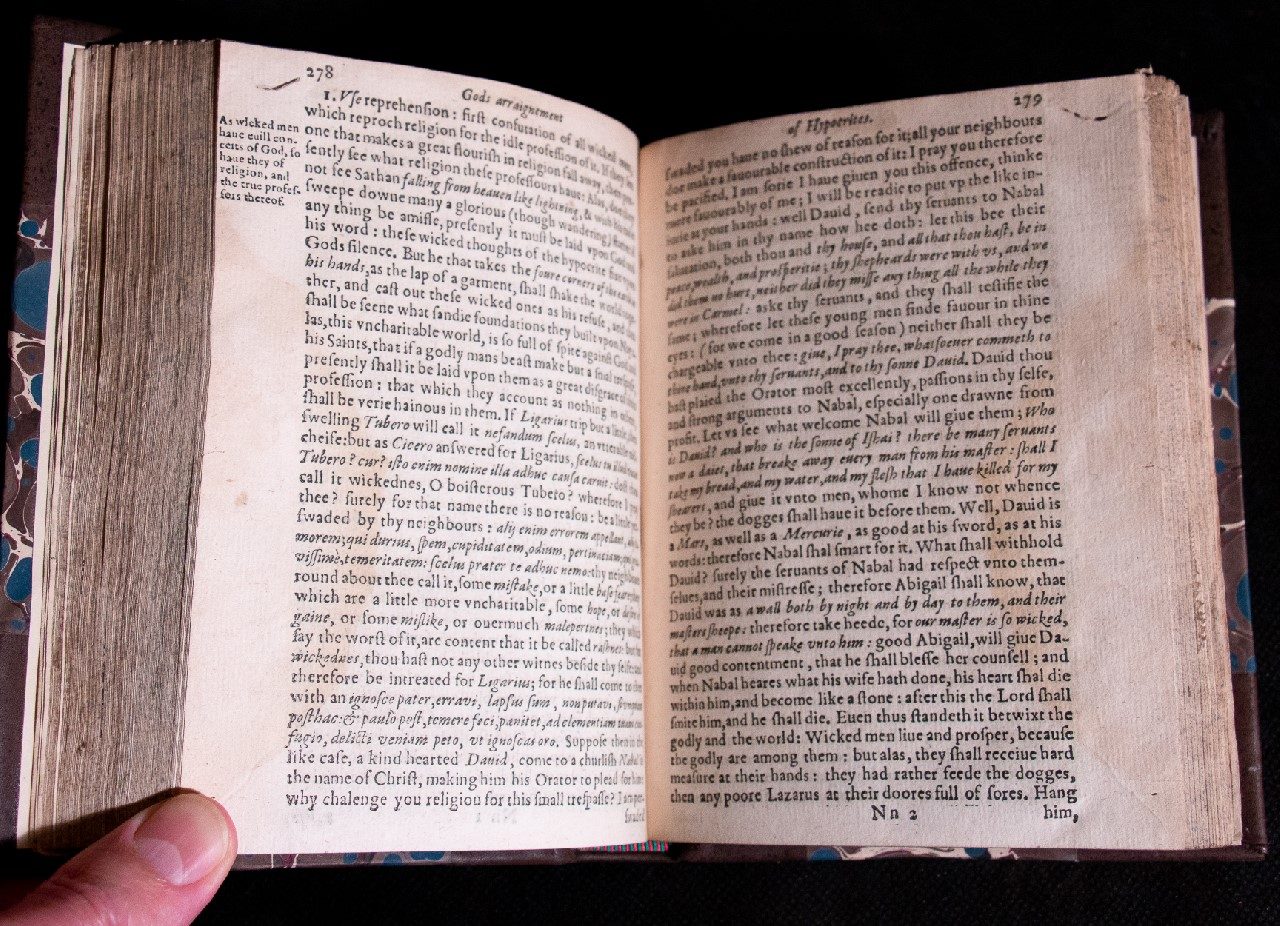
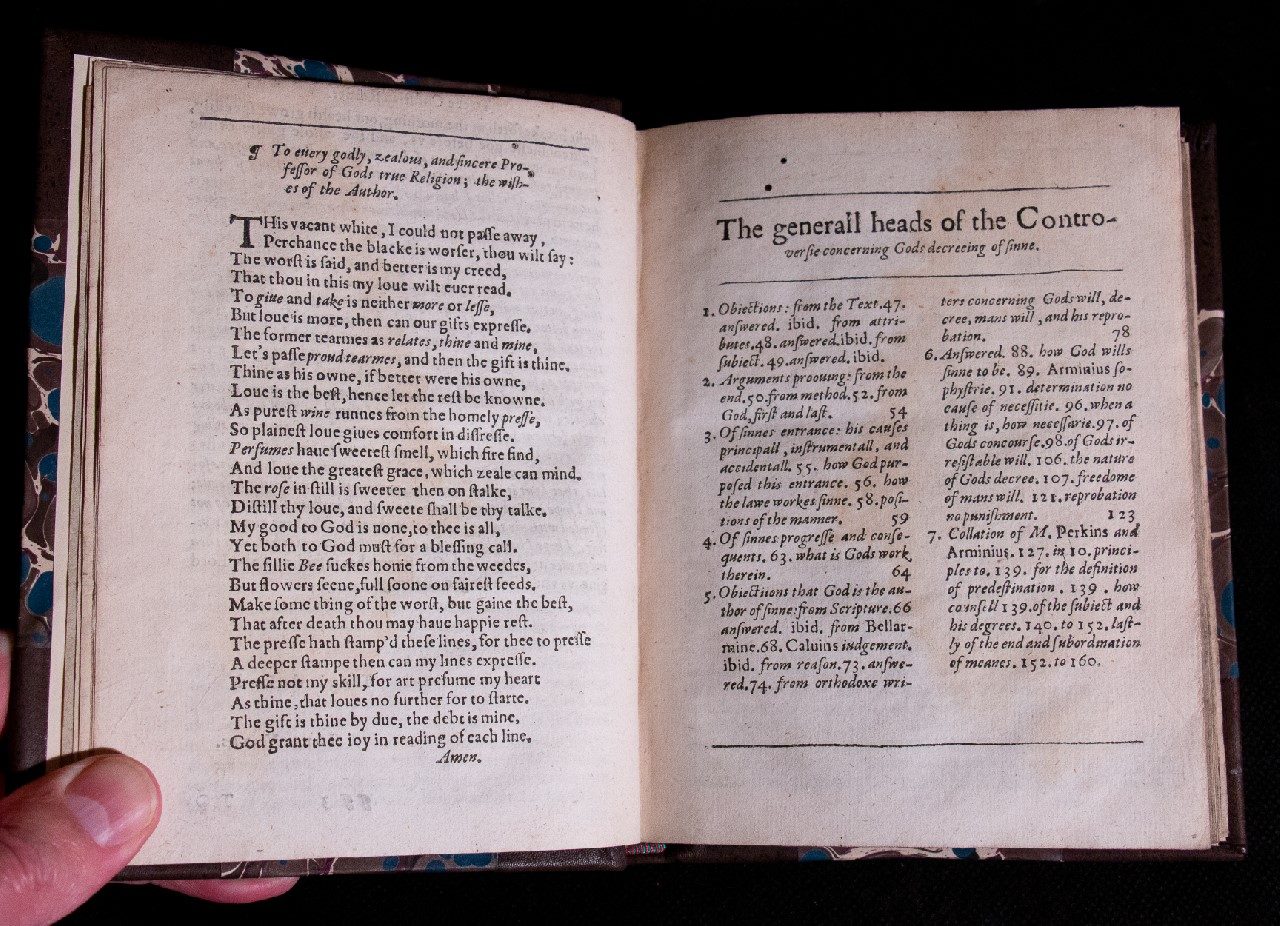



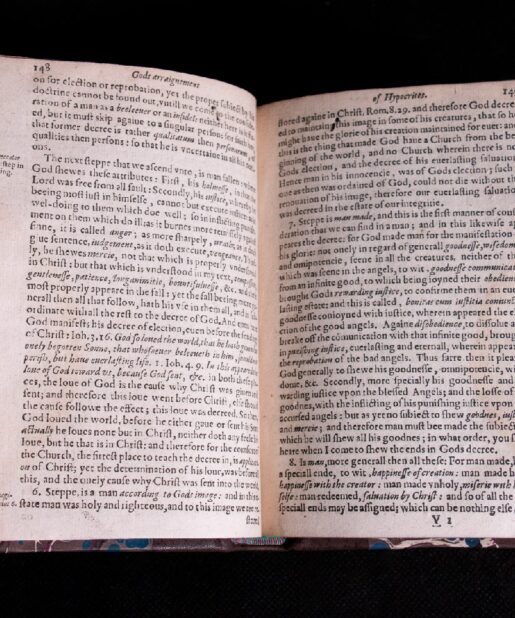
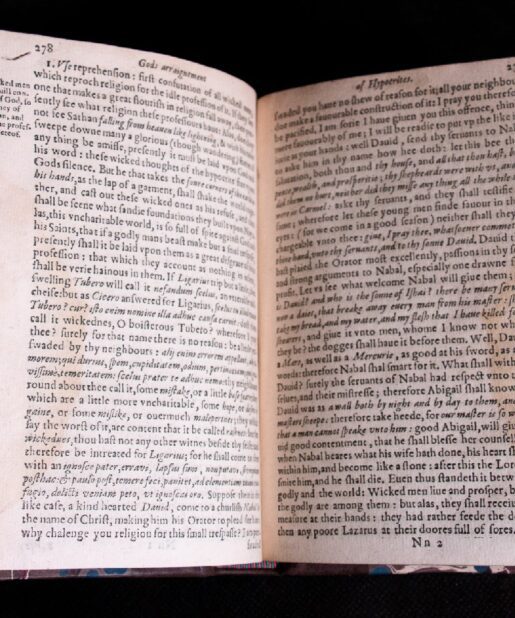
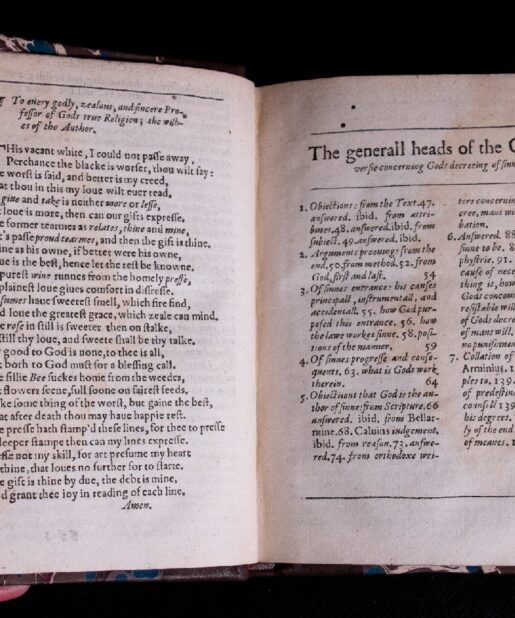
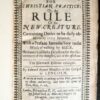
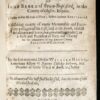
YATES, John (c.1587–1640). Gods Arraignement of Hypocrites: with an Inlargement Concerning Gods Decree in Ordering Sinne. As Likewise a Defence of Mr. Calvine against Bellarmine; and of M. Perkins against Arminius. [Cambridge]: Printed by Cantrell Legge, Printer to the University of Cambridge, 1615.
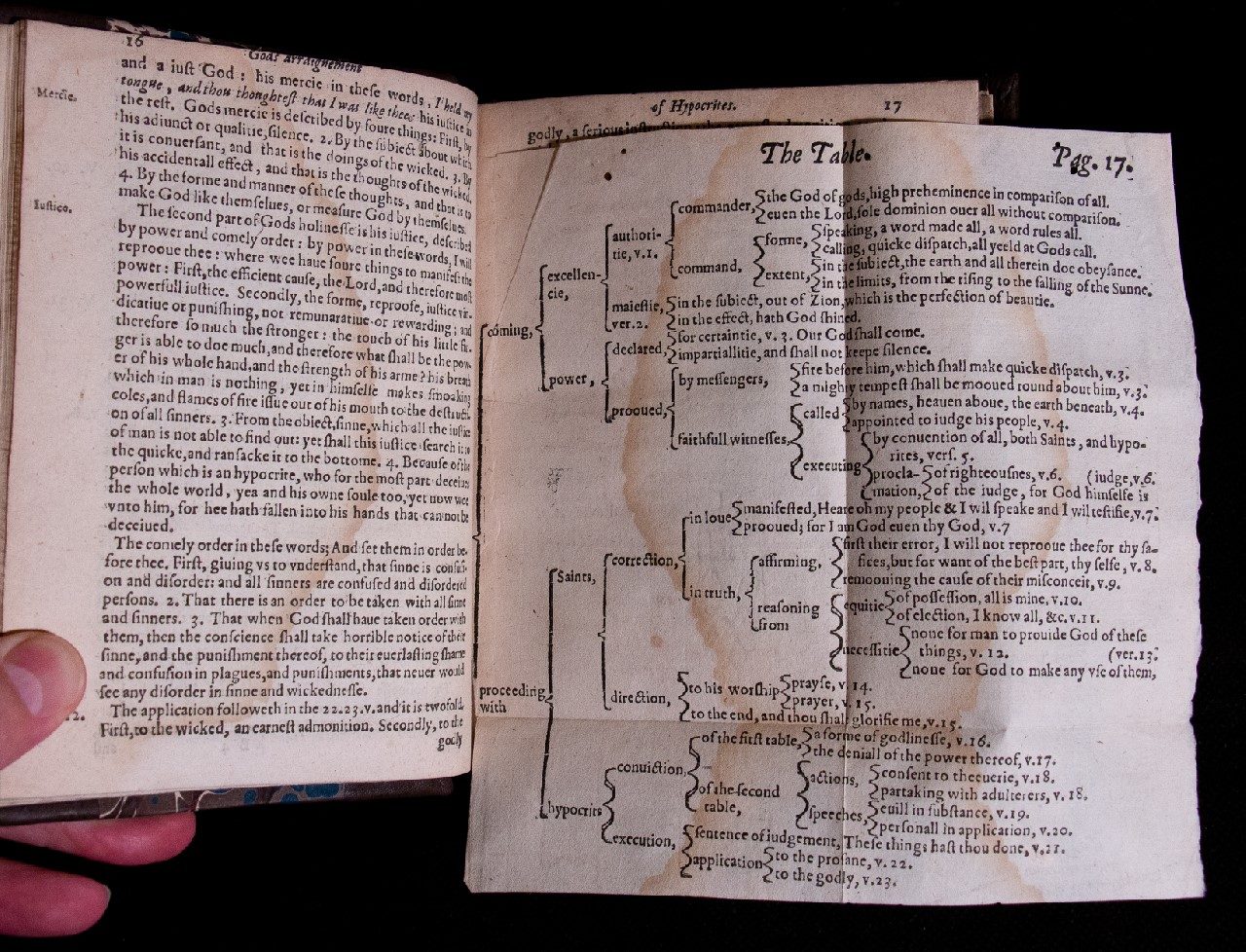
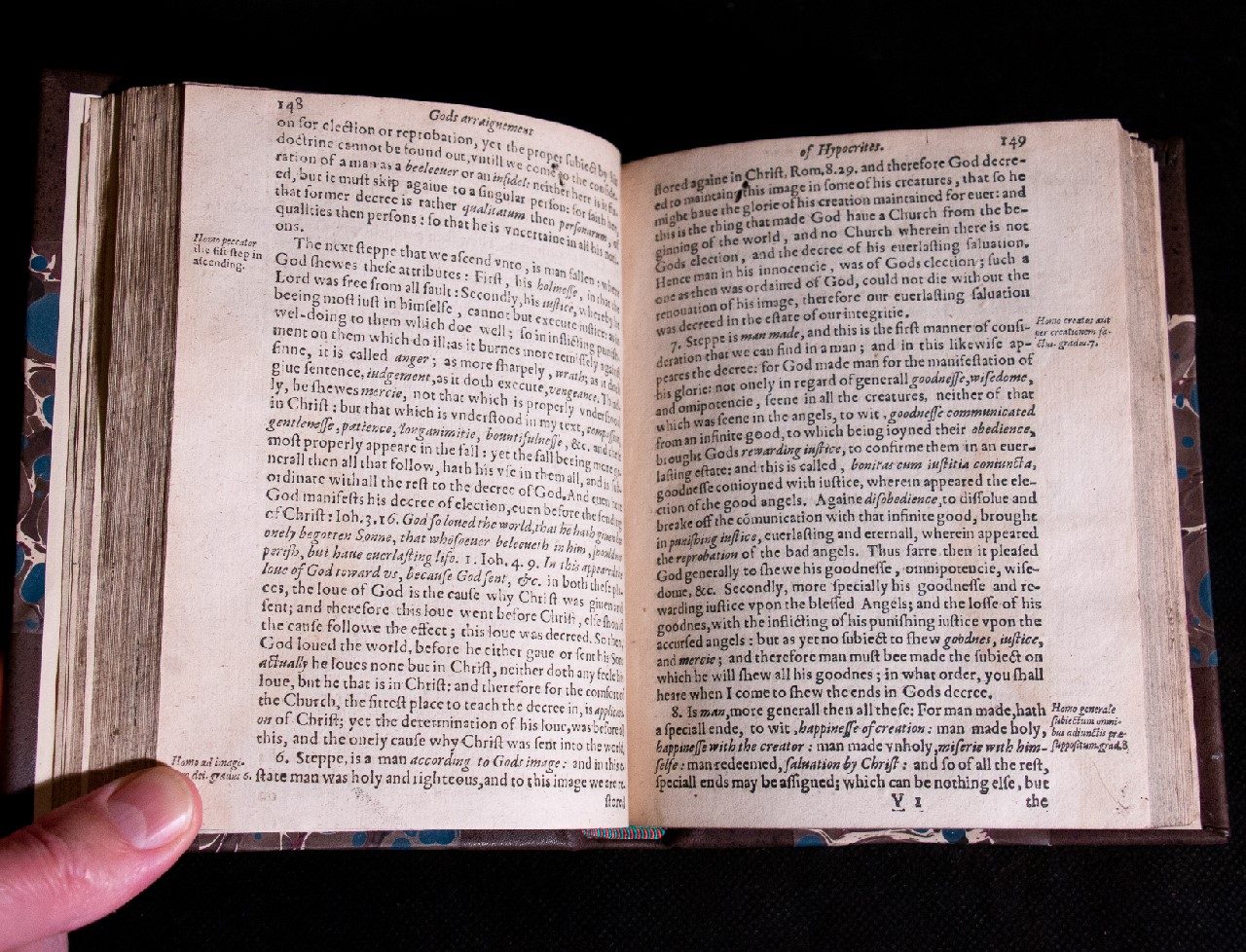
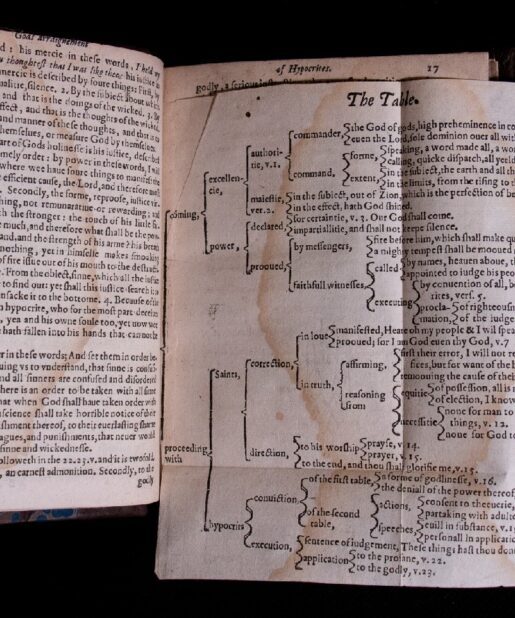
Quarto (180 × 140 mm). [14], 1–408, 411–413 pp., lacking one leaf in the Dedication and one further leaf (as often). Folding synoptic table. Roman and italic types.
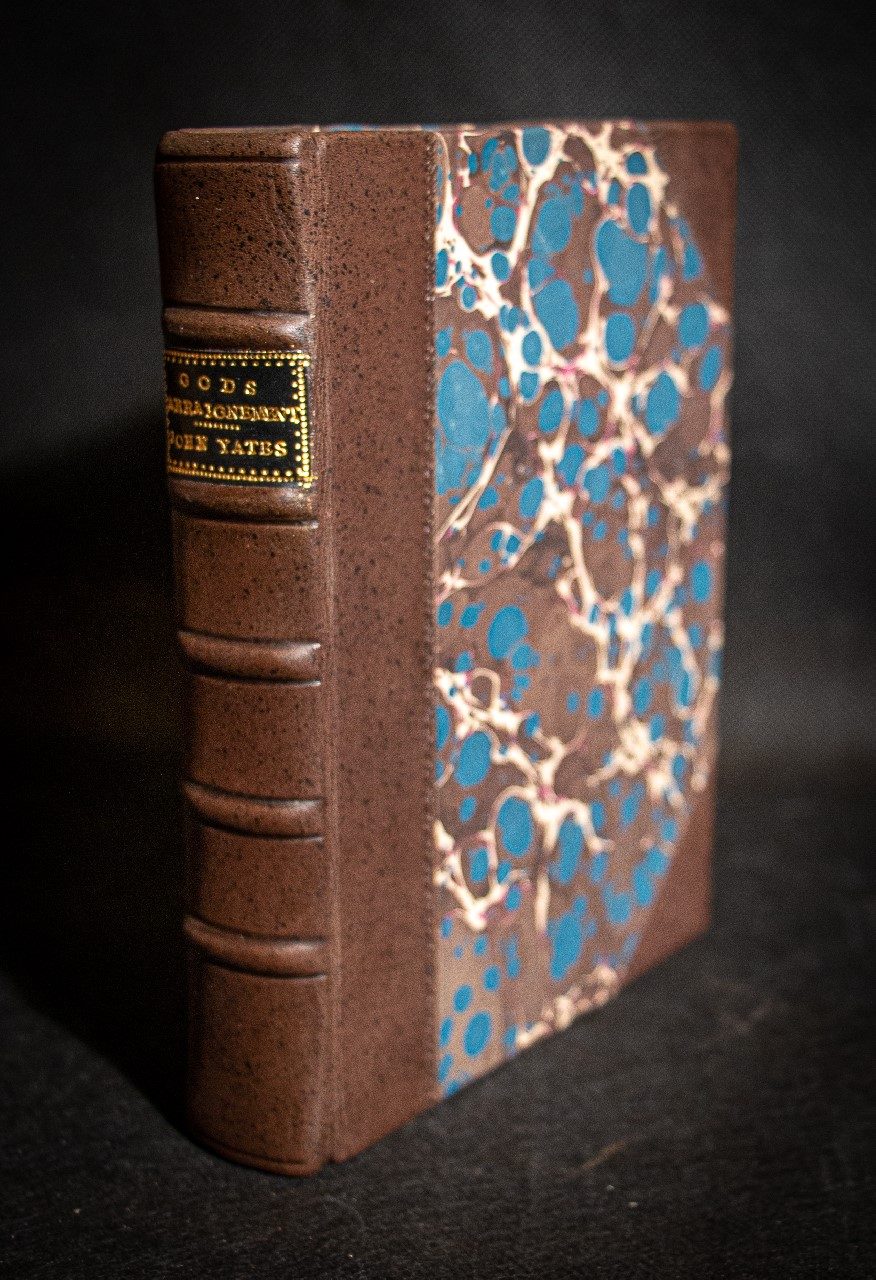
A clean and attractive copy, with some minor marginal holes and occasional light staining. Text generally fresh and crisp. Modern half leather over raised bands, marbled boards.
This is a major early-Stuart Calvinist polemic, uniting practical divinity, moral exhortation, and high doctrinal controversy in a single volume. In it, John Yates mounts a fierce attack on religious hypocrisy while simultaneously defending orthodox Reformed theology on predestination, divine providence, and the problem of sin.
The work is structured in three interlocking parts:
-
A searching moral and spiritual arraignment of hypocrisy, aimed at nominal Christians and complacent churchgoers;
-
A sustained theological enlargement on God’s eternal decree and providential ordering of sin, carefully navigating between Calvinist orthodoxy and charges of fatalism;
-
A learned polemical defence of John Calvin and William Perkins against their two most formidable adversaries:
-
Cardinal Robert Bellarmine, champion of Counter-Reformation Catholic theology;
-
Jacobus Arminius, whose rejection of unconditional election was then igniting controversy across England and the Dutch Republic.
-
Yates’s book belongs to the central literature of the English Calvinist–Arminian controversy and reflects the high intensity of doctrinal debate in the decade preceding the Synod of Dort (1618–19). It stands alongside the polemical works of Perkins, Ames, and Sibbes as a serious attempt to defend the coherence of Reformed theology against both Catholic and Arminian critique.
John Yates was one of the most intellectually formidable Puritan divines of the early seventeenth century. Educated at St Catharine’s College, Cambridge, he became a fellow there and later served as vicar of St Andrew’s, Norwich, one of the most important Puritan centres in England.
Yates was closely associated with the Cambridge Calvinist tradition descending from William Perkins and was widely respected for his mastery of scholastic theology and controversial divinity. His writings show a rare combination of pastoral concern and technical doctrinal precision.
In 1637, under mounting pressure from Archbishop Laud’s ecclesiastical policies, Yates emigrated to New England, where he became minister at Scituate, Massachusetts. There he remained a leading theological voice until his death in 1640. His transatlantic career places him among the formative generation of Puritan thinkers who shaped both English and early American religious culture.
Product Enquiry
Related products


£1,500.00
![[Thomas Forbes Kelsall] Catalogue of Valuable Books and Illuminated and other Manuscripts…The Library of Thos. Forbes Kelsall Esq. 1906](https://stephenbutler.com/wp-content/uploads/2024/09/IMG_1212-515x618.jpg "[Thomas Forbes Kelsall] Catalogue of Valuable Books and Illuminated and other Manuscripts…The Library of Thos. Forbes Kelsall Esq. 1906")
![[Thomas Forbes Kelsall] Catalogue of Valuable Books and Illuminated and other Manuscripts…The Library of Thos. Forbes Kelsall Esq. 1906](https://stephenbutler.com/wp-content/uploads/2024/09/IMG_1209-454x618.jpg "[Thomas Forbes Kelsall] Catalogue of Valuable Books and Illuminated and other Manuscripts…The Library of Thos. Forbes Kelsall Esq. 1906")


Bibliography
£275.00


£9,800.00


£850.00

