



This piece has been placed.
Many works of comparable significance pass through our hands each year.
If you’re seeking something similar, please send us an enquiry or browse recent acquisitions.
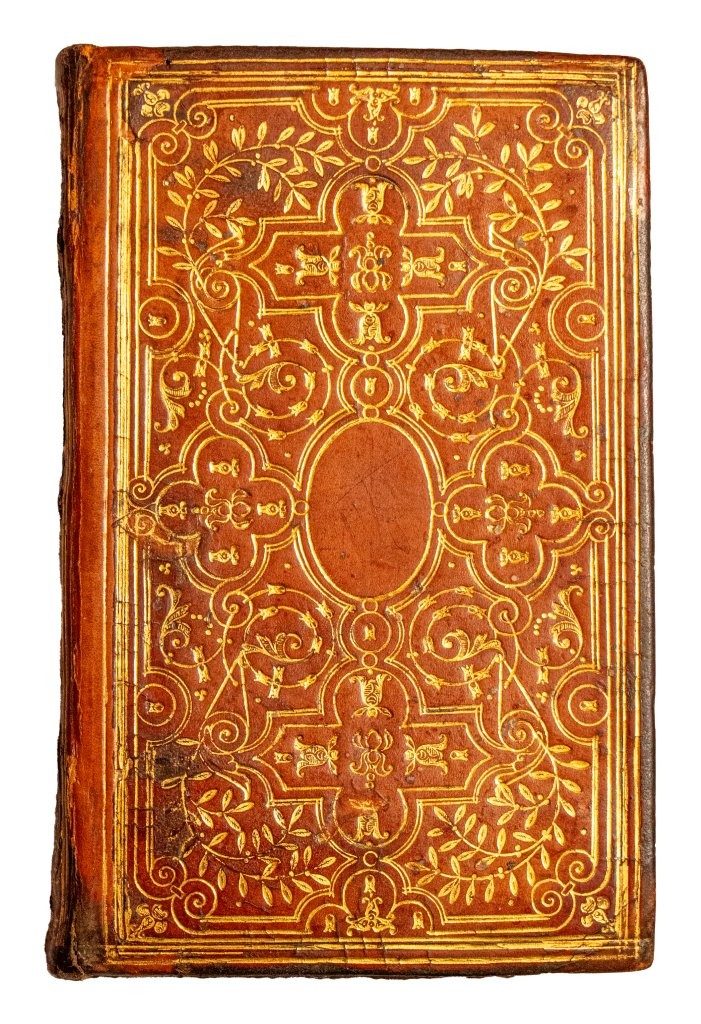
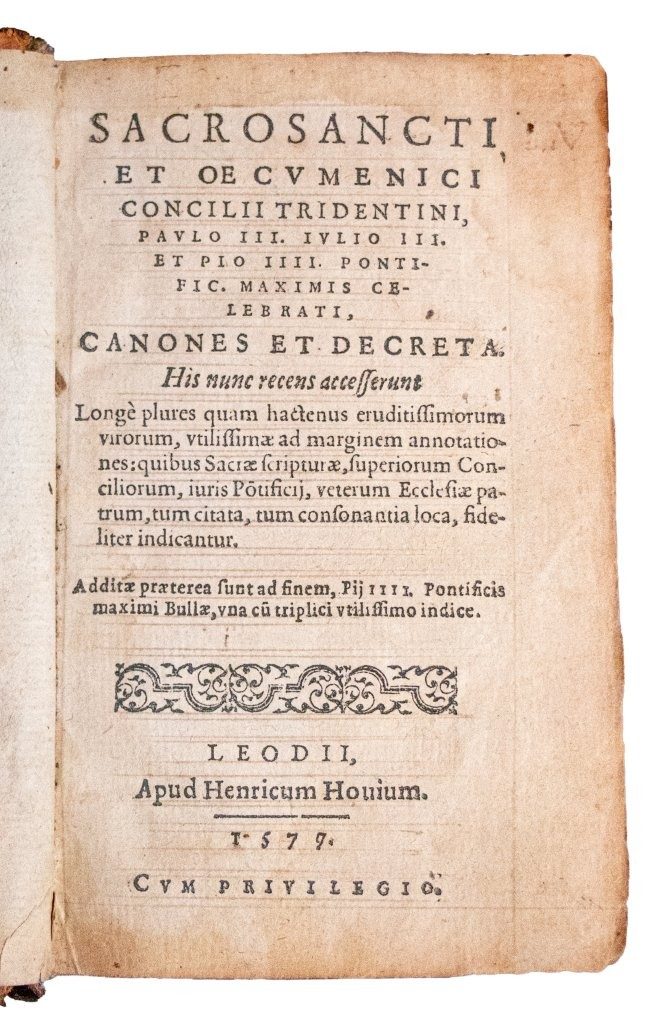
A meticulously decorated Fanfare binding of the Council of Trent possibly by Augustin Duseuil
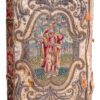
£4,000.00
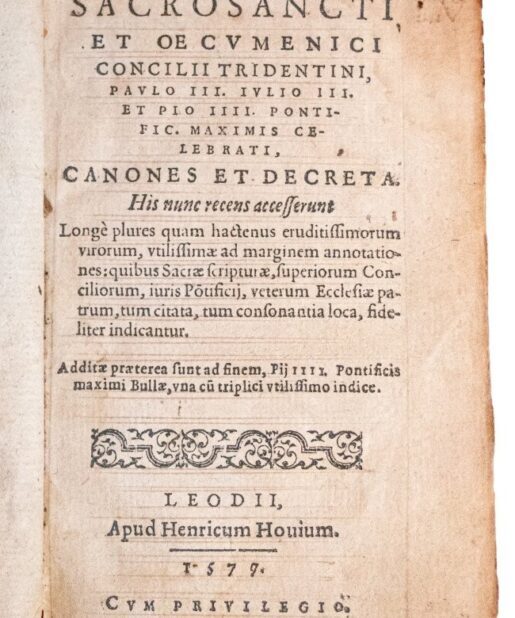
Augustin Duseuil [binder] Canones et Decreta of the Sacrosanct Council of Trent [Fanfare binding] Published by Henricus Hovius,, Liège (Leodii), 1579
Physical Details:
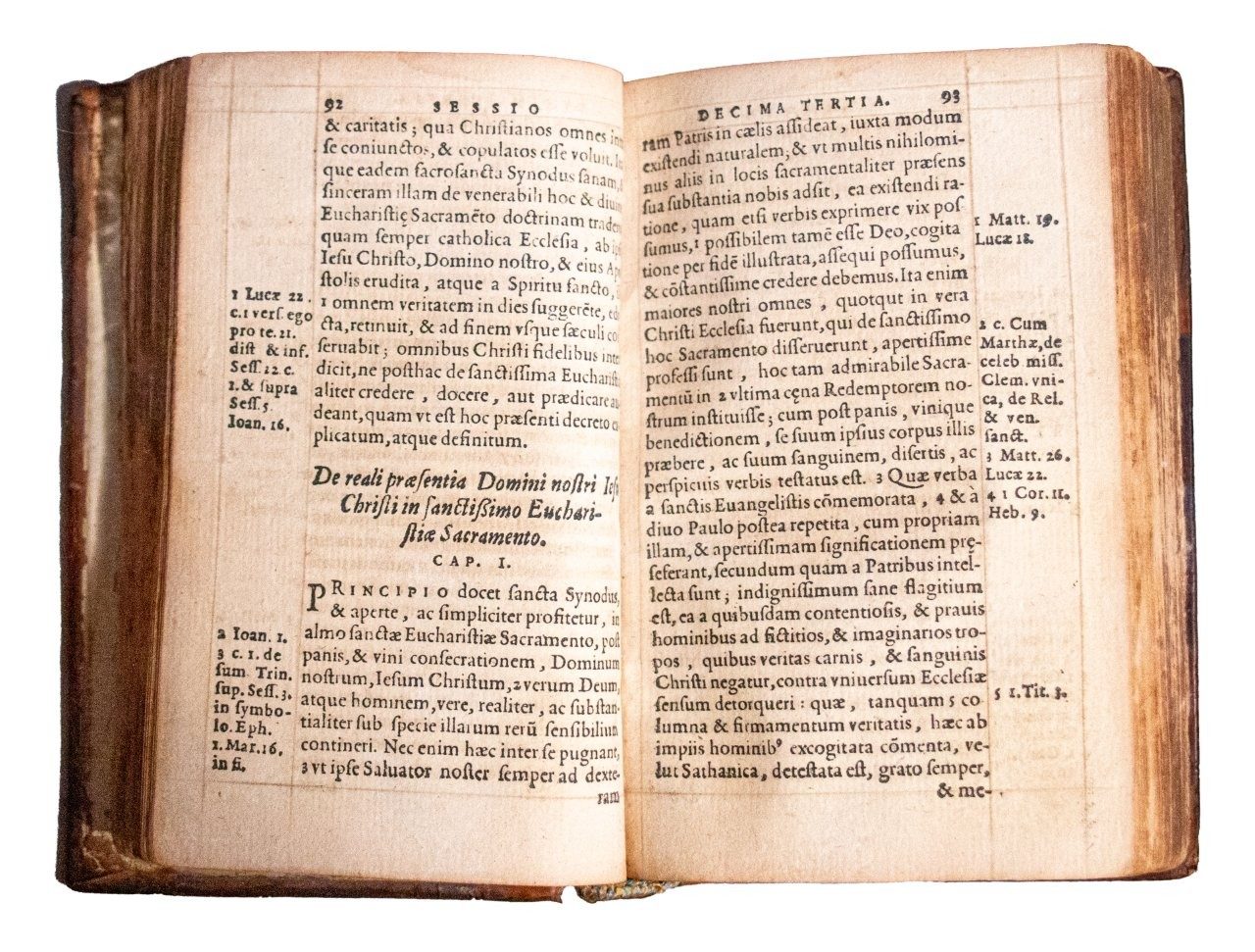
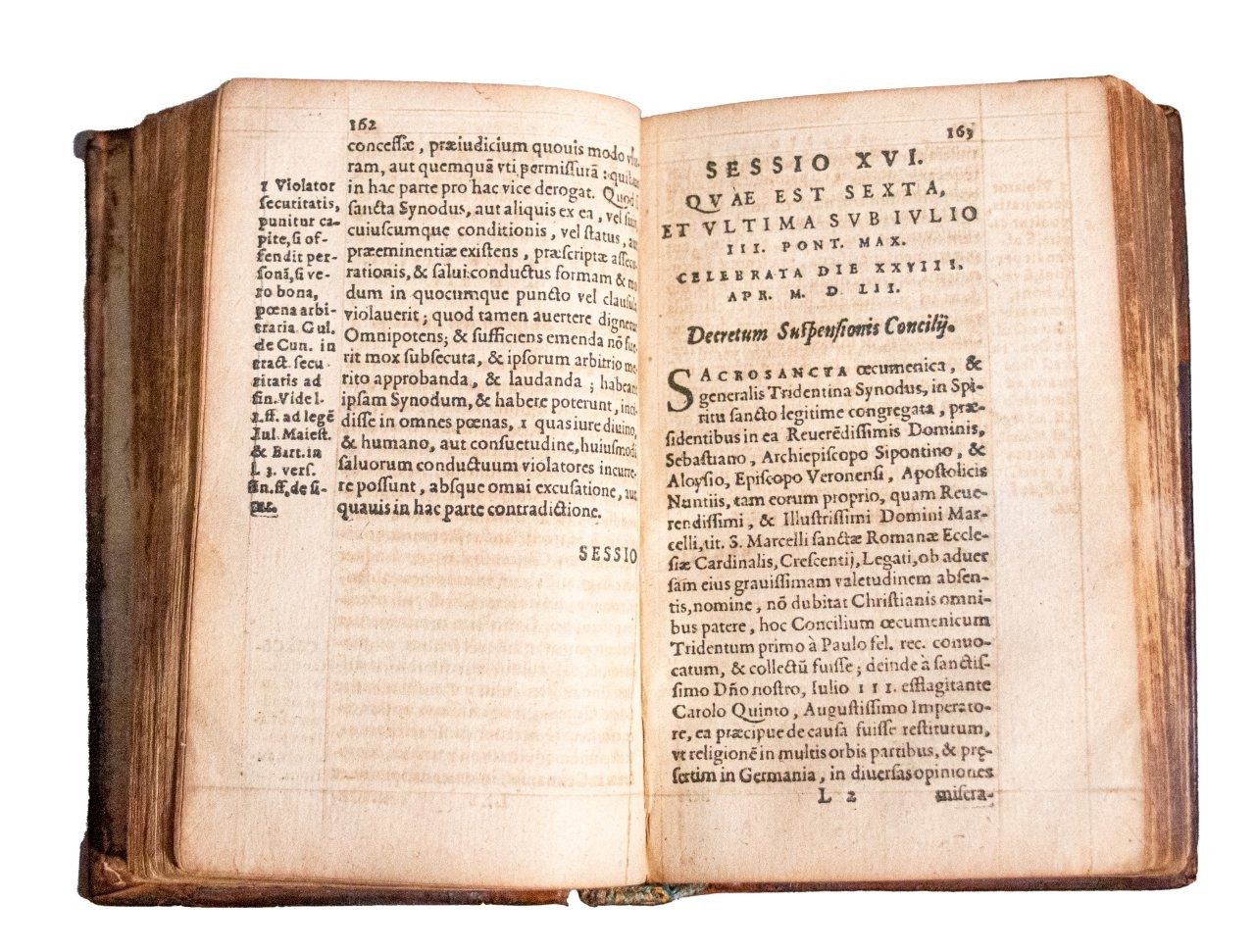
16mo; 138 mm x 85 mm; [xxxii], 416, [152]pp; gilt edges; rich gilt decoration on covers and spine; some professional restorations but overall very good condition.
Description:
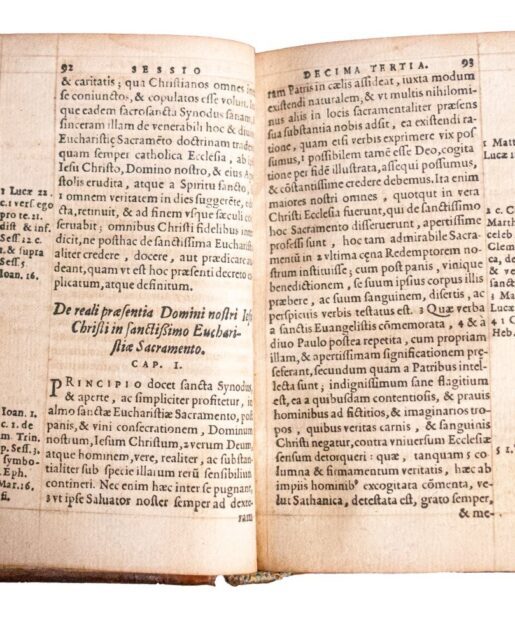
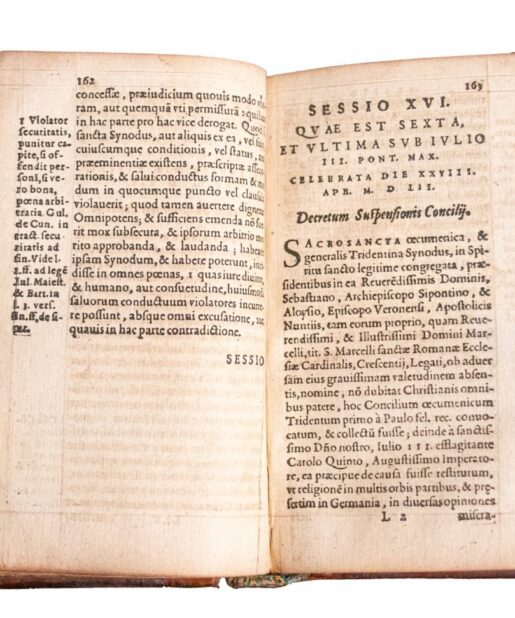
This is a finely executed 16mo edition of the Canones et Decreta of the Sacrosanct Council of Trent, printed in Liège by W. Morbier for H. Hovius in 1577. The volume measures approximately 138 mm by 85 mm and contains [xxxii], 416, [152] pages, with the entire text ruled in red, a characteristic feature of important ecclesiastical editions of the period.
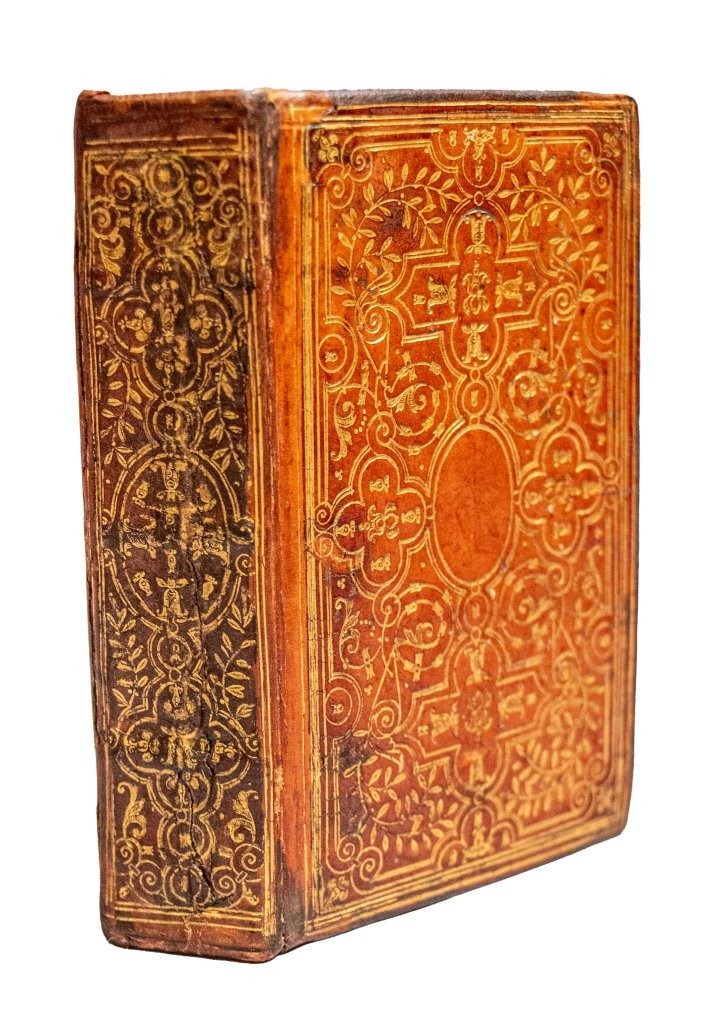
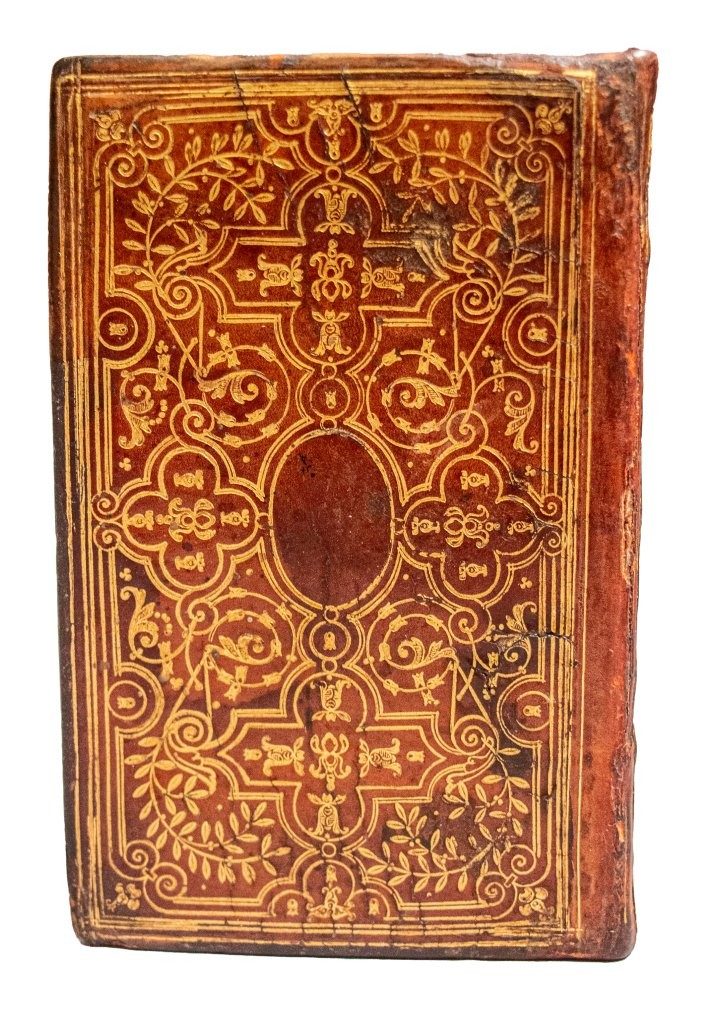
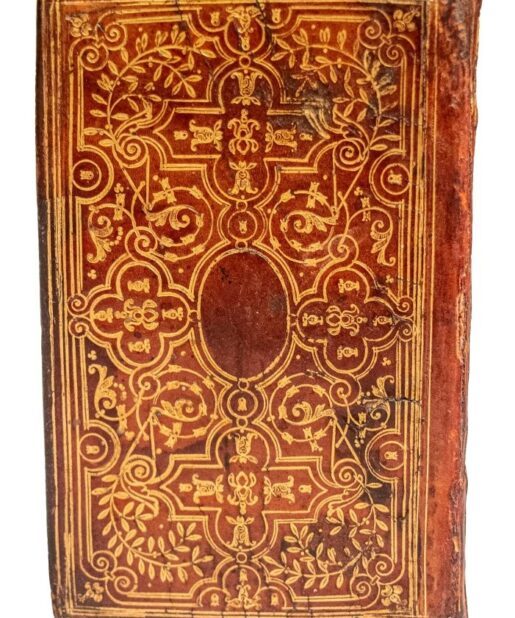
The binding exemplifies the celebrated fanfare style, most likely crafted in France and possibly attributed to the workshop of Nicolas and Clovis Eve. It is fashioned from red-brown calf and decorated in gilt across both covers and the flat spine, with the edges gilt (a.e.g.). The overall presentation is particularly handsome, with expert restoration work carried out on the joints, head of the spine, and around the edges, conserving its integrity and enhancing its beauty. Despite some small stains and minor nicks, the binding remains in good, attractive condition.
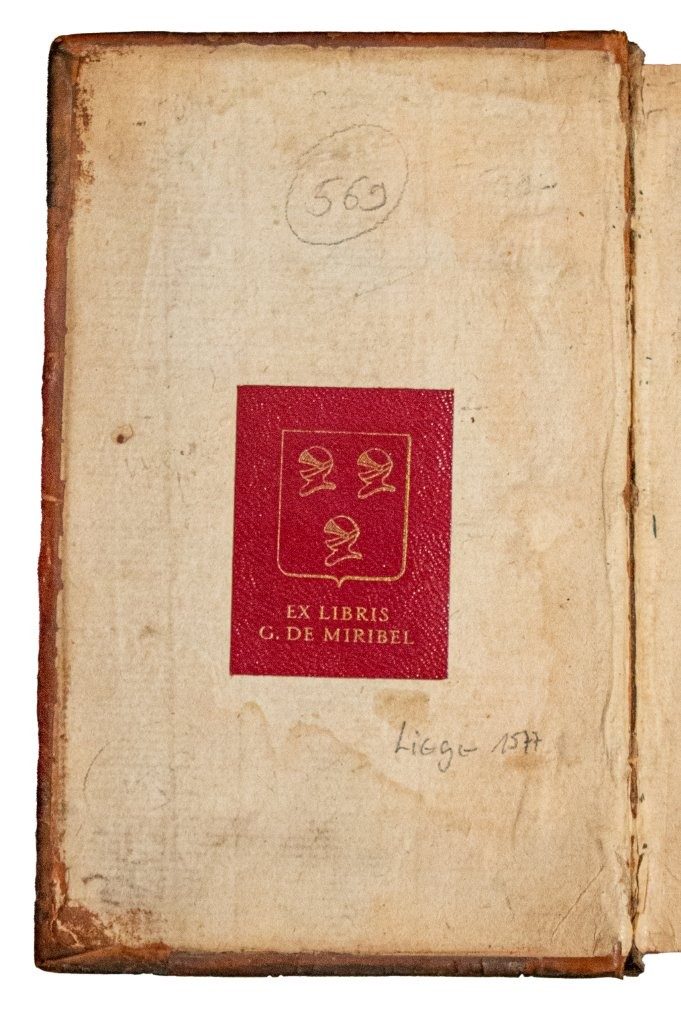
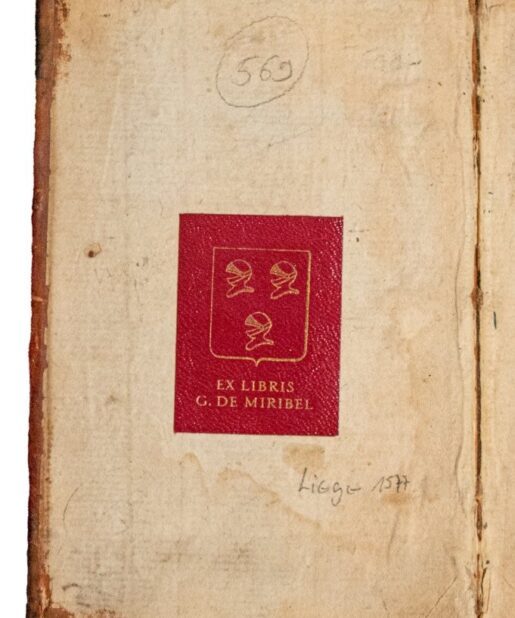
The volume bears the ex-libris of G. de Miribel on the front pastedown, adding to its provenance and collector interest. The text itself is in good condition, with no significant damage or staining, making it a desirable example of early Reformation-era ecclesiastical binding.
The form of the binding, with its elaborate gilt tooling, corresponds closely to examples listed in Hobson’s Les reliures à la fanfare, specifically plates 16 and 30, which illustrate similar bindings from the same distinguished French workshop. This suggests a high-quality production possibly tied to the renowned Nicolas and Clovis Eve, celebrated for their mastery of the fanfare style.
This volume is an exquisite example of the intersection between ecclesiastical printing, luxurious binding, and workshop craftsmanship, making it a notable and visually striking addition to any collection of religious or Renaissance books.
Possible identification of binder
The style resembles the work of prominent Parisian binders such as Augustin Duseuil (c. 1673–1746), or possibly a binder from the Le Gascon school (known for intricate gilt tooling with fine dots and leafy sprays). If English, it could be from the Restoration period, but the finesse and symmetry suggest French origin more strongly.
The repeated leafy sprays, rosettes, and scrolling arabesques resemble Parisian bindings of the late 17th century (the so-called fanfare style and its later evolutions).
Key Features of the Binding
Spine decoration: The vertical gilt panels with floral sprays and repeating arabesques are very characteristic of French bindings from the late 17th to early 18th century. They show the influence of the Le Gascon style, but simplified into more geometric strapwork.
Cover design: The central oval (left plain for a coat of arms or supralibros) within a cross-shaped frame of interlacing strapwork is very similar to Parisian bindings circa 1680–1710.
Tool motifs: The leafy sprays, small flowers, and arabesques with dots are associated with the workshops that evolved from the great French master binder Le Gascon (active mid-17th c.). His influence spread widely, especially in the shops of Florimond Badier, Poncyn, and later Duseuil.
Overall impression: The quality is quite fine, but not at the very top level (like a true Le Gascon). This looks like the work of a Parisian atelier in the Duseuil circle, around 1700–1725.
Product Enquiry
Related products

![Leaf of Passionale in Latin [Italy, 12th century, first half] Lives of St Felicity and St Clement](https://stephenbutler.com/wp-content/uploads/2021/01/IMG_0696-515x618.jpg "Leaf of Passionale in Latin [Italy, 12th century, first half] Lives of St Felicity and St Clement")
C12th - C13th manuscripts
Leaf of Passionale in Latin [Italy, 12th century, first half] Lives of St Felicity and St Clement
£1,200.00
£3,800.00


C14th -C16th manuscripts
£400.00
£900.00


£1,800.00