




LUPTON, Donald.
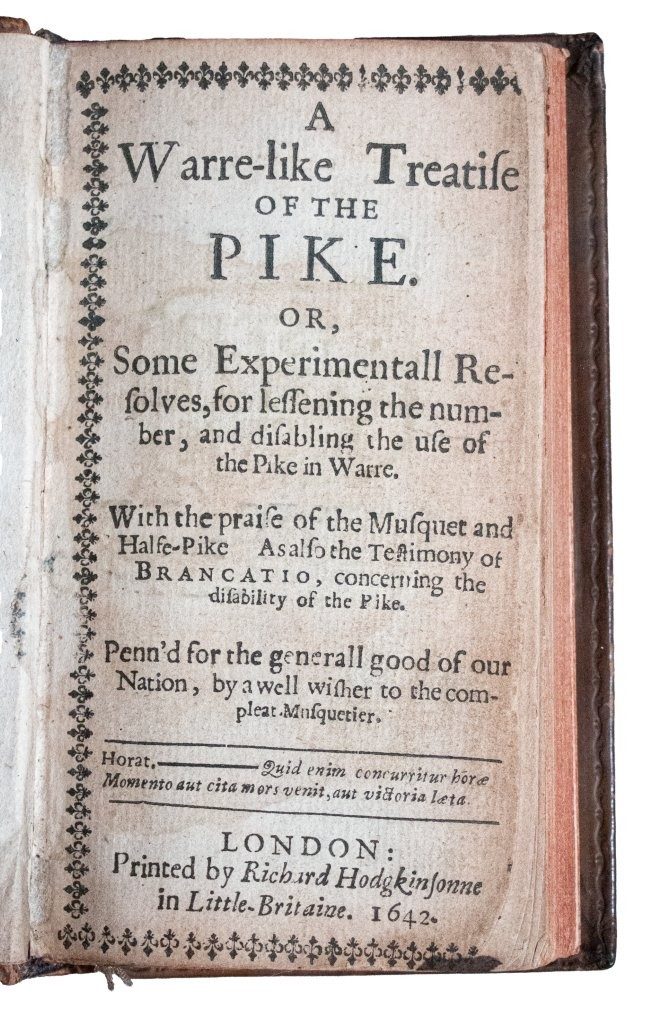
A Warre-like Treatise of the Pike. Or, Some Experimental Resolves, for lessening the number, and disabling the use of the Pike in Warre. With the praise of the musquet and half-pike. As also the testimony of Brancatio, concerning the disability of the pike. Penn’d for the generall good of our nation, by a well-wisher to the compleat musquetier…
London: Printed by Richard Hodgkinsonne in Little-Britaine, 1642.
12mo (120 × 65 mm). pp. [xx], 156. Lacking the first two blank leaves. Title-page with fore-edge trimmed close, affecting only the ornamental border. Small ink stain to the lower corner of the first signature. A good, honest copy. Later polished calf, gilt-ruled covers, spine with morocco label, gilt lettering, five raised bands, red edges, and gold silk markers.
ESTC R23004; Wing L3496; USTC 3048123.
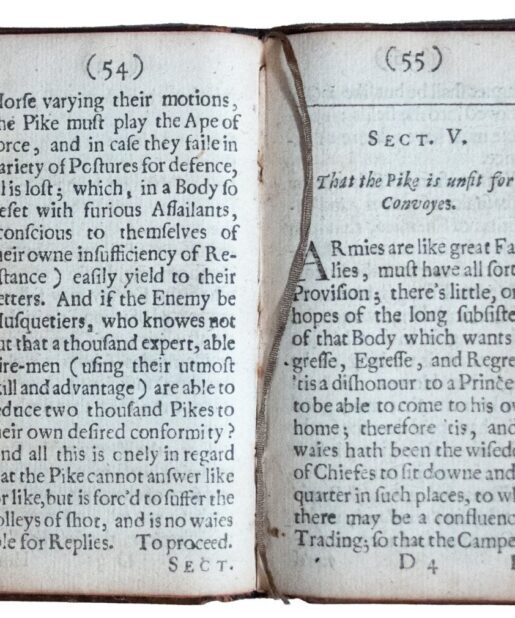
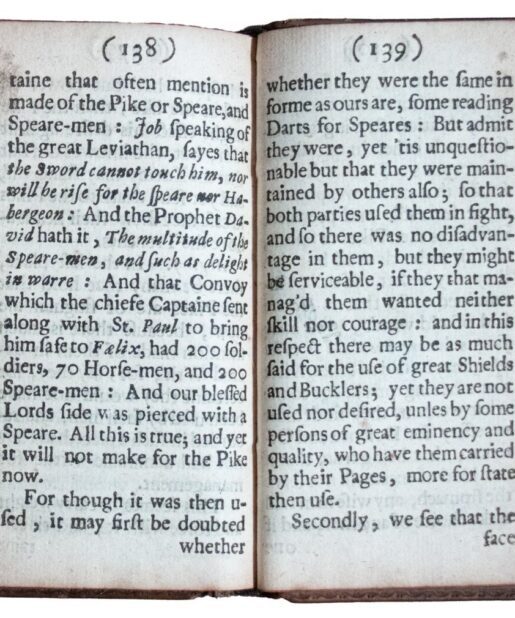
This is the first and only edition of one of the most striking and ideologically charged military tracts published at the outbreak of the English Civil War. Appearing in early 1642—just months before open hostilities—Lupton’s work is both a practical treatise on military tactics and a polemical intervention in the rapidly evolving doctrine of warfare.
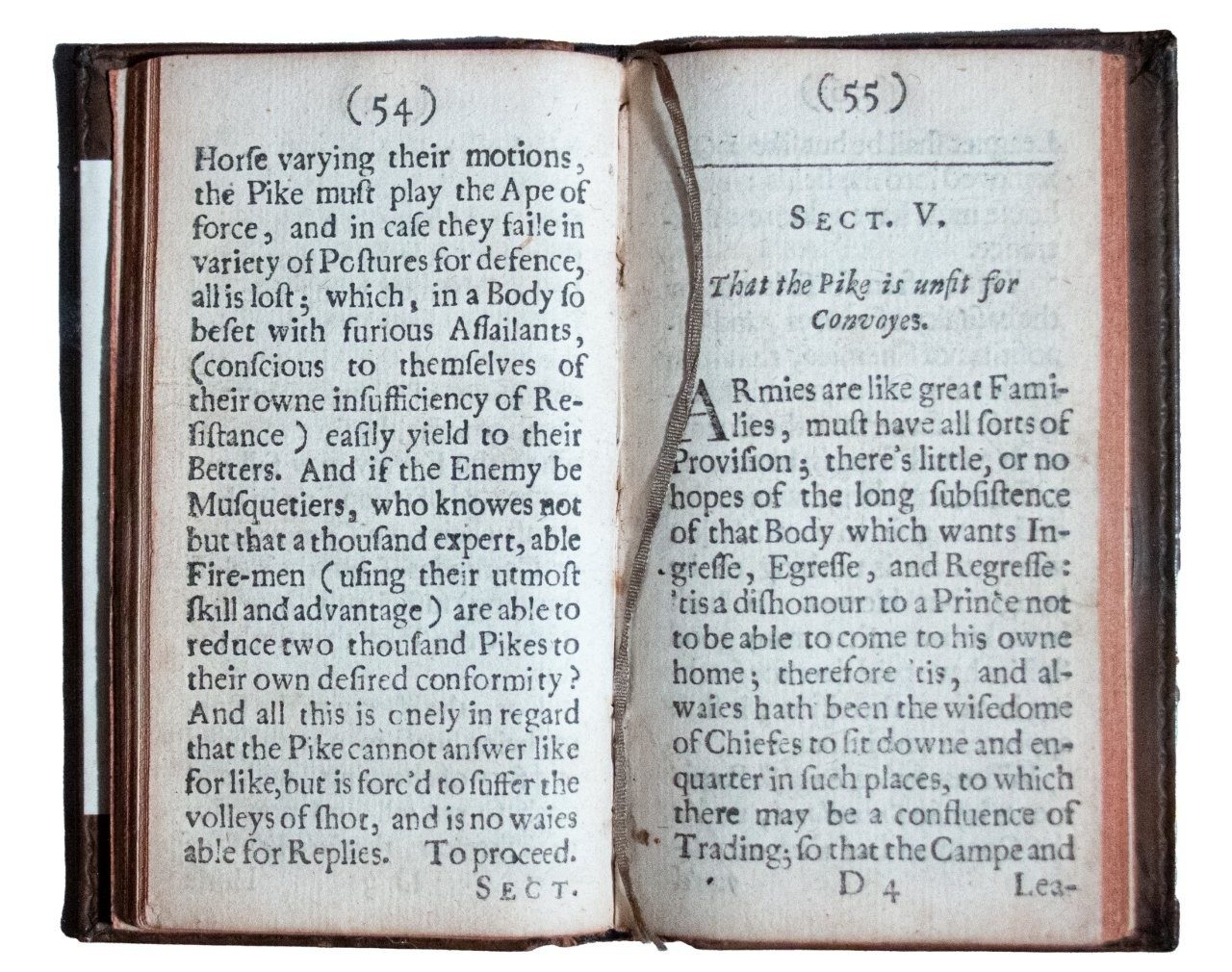
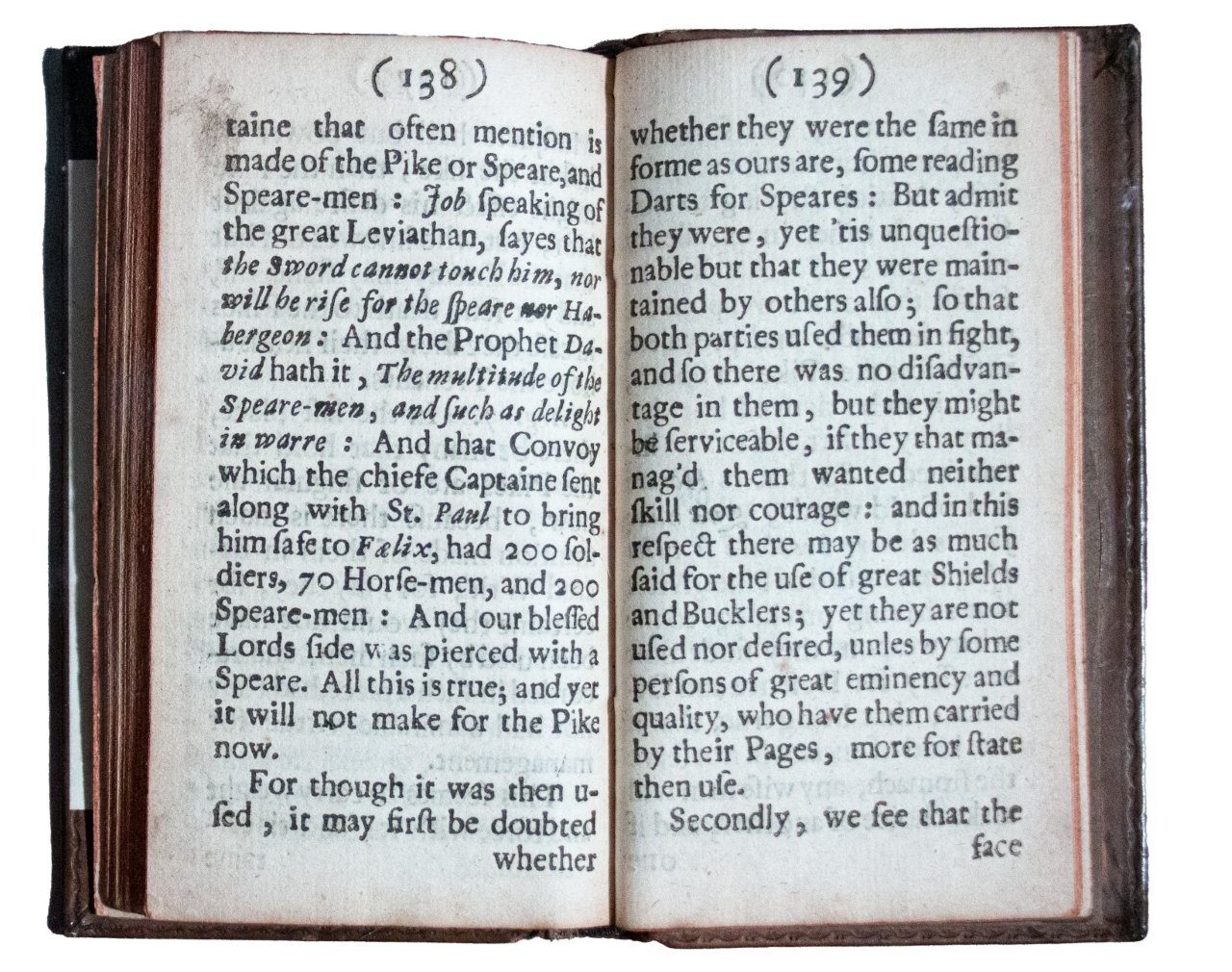
At its core, the book argues for the supremacy of the musket and half-pike over the traditional long pike, which Lupton dismisses as antiquated and of “small or no consequence” in modern battle. Drawing on continental experience, he advocates a more flexible, firearm-centred infantry model, reflecting the lessons learned in the Thirty Years’ War. This places the work squarely within the transitional moment when European warfare was moving away from medieval formations toward early modern firepower.
What makes this treatise particularly compelling is that it is written not by a professional soldier but by a clergyman—Donald Lupton—who had served as chaplain to English forces in Germany under Sir Charles Morgan. The text is therefore informed by direct observation of modern warfare on the continent, lending it a rare authority among English military publications of the period.
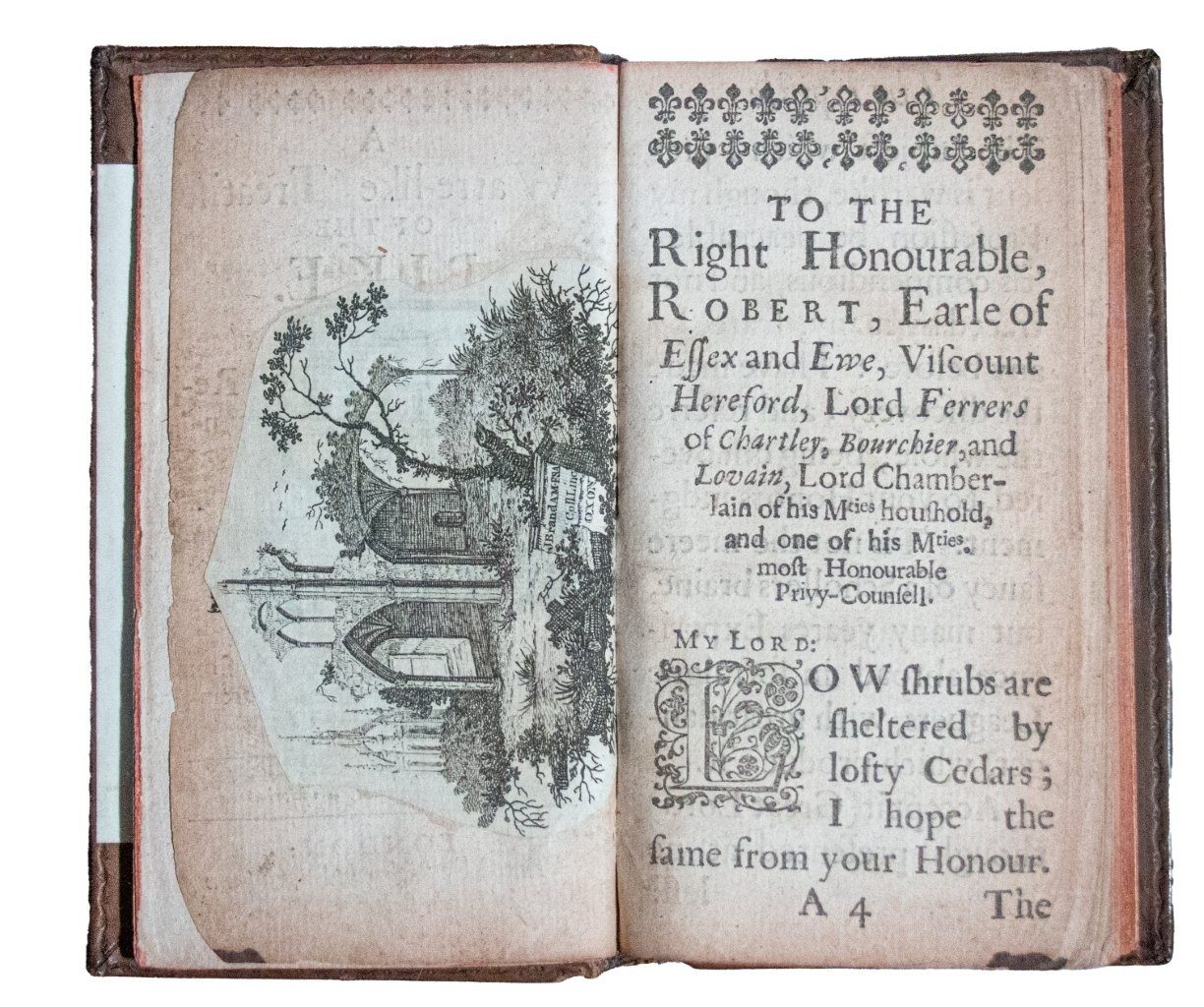
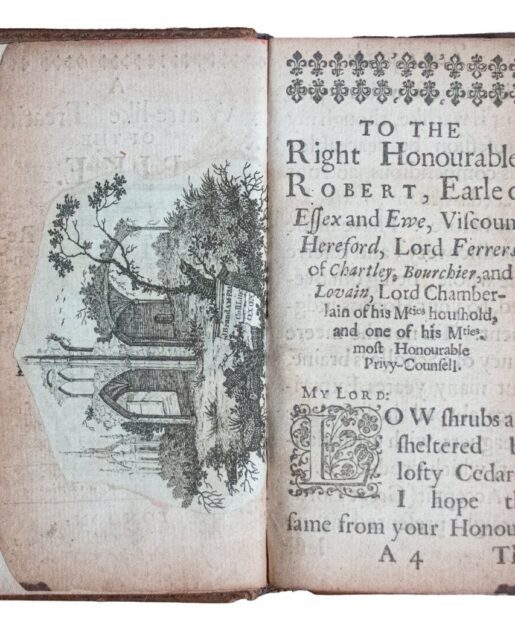
The work is dedicated to Robert Devereux, 3rd Earl of Essex, who would soon become Parliamentary Commander-in-Chief. Essex is still styled as Lord Chamberlain in the dedication, a title from which he was dismissed on 9 April 1642, strongly suggesting publication in the very earliest months of that pivotal year. This makes the book a contemporary artefact of England’s slide into rebellion.
Further enhancing its political resonance, Lupton addresses not only high command but also officers of the Honourable City of London, listing three colonels and twenty captains, including figures such as John Venn (the regicide), Martin Bond, Marmaduke Rawdon, and Roland Wilson. The treatise thus speaks directly to the urban militia and trained bands that would play a decisive role in the coming conflict.
Unusually, the book also contains a moral examination of the soldier’s profession, acknowledging the destructive nature of warfare and attempting to reconcile military service with Christian conscience. This combination of tactical instruction, political positioning, and ethical reflection is highly unusual and gives the work a distinctive intellectual depth.
While not unknown (at least 13 institutional copies are recorded), it remains a scarce and desirable survival of a short-lived, intensely topical publication, produced at speed in a moment of national crisis and preserved against the odds.
Donald Lupton (d. 1676): Clergyman, Observer of War, and Prolific Author
Donald Lupton was a Church of England clergyman, writer, and observer of continental warfare whose career reflects the restless intellectual energy of mid-seventeenth-century England. He is best known today for a varied body of work that ranges across religion, history, politics, social commentary, and moral instruction.
Lupton served as chaplain to English troops in Germany during the Thirty Years’ War, under the command of Sir Charles Morgan. This experience placed him in direct contact with the realities of modern European warfare and provided the foundation for his informed critique of English military practice. It is from this rare vantage point—half clerical, half military—that A Warre-like Treatise of the Pike emerges.
Beyond military writing, Lupton was a prolific and often imaginative author. His works include religious treatises, historical compilations, devotional texts, and social satires, reflecting both a moralising impulse and a keen eye for contemporary life. He wrote on topics as diverse as London’s trades, human vanity, the dangers of vice, and the virtues of godly living. Titles such as London and the Country Carbonadoed, The Christian against the Jew, and A Thousand Notable Things of Sundry Sorts illustrate the breadth—and sometimes eccentricity—of his interests.
Lupton’s writing style is typically vivid, accessible, and strongly opinionated. He was not afraid to challenge established norms, whether in society, religion, or—most strikingly in this work—military doctrine. That a clergyman should argue so forcefully for tactical reform in warfare is exceptional and underscores his intellectual independence.
He died in 1676, leaving behind a body of work that provides a revealing window into the mental world of Restoration England: anxious, argumentative, moralising, and intensely engaged with the upheavals of the age.
Product Enquiry
Related products


£200.00


£1,600.00

£750.00


£550.00


