




This piece has been placed.
Many works of comparable significance pass through our hands each year.
If you’re seeking something similar, please send us an enquiry or browse recent acquisitions.
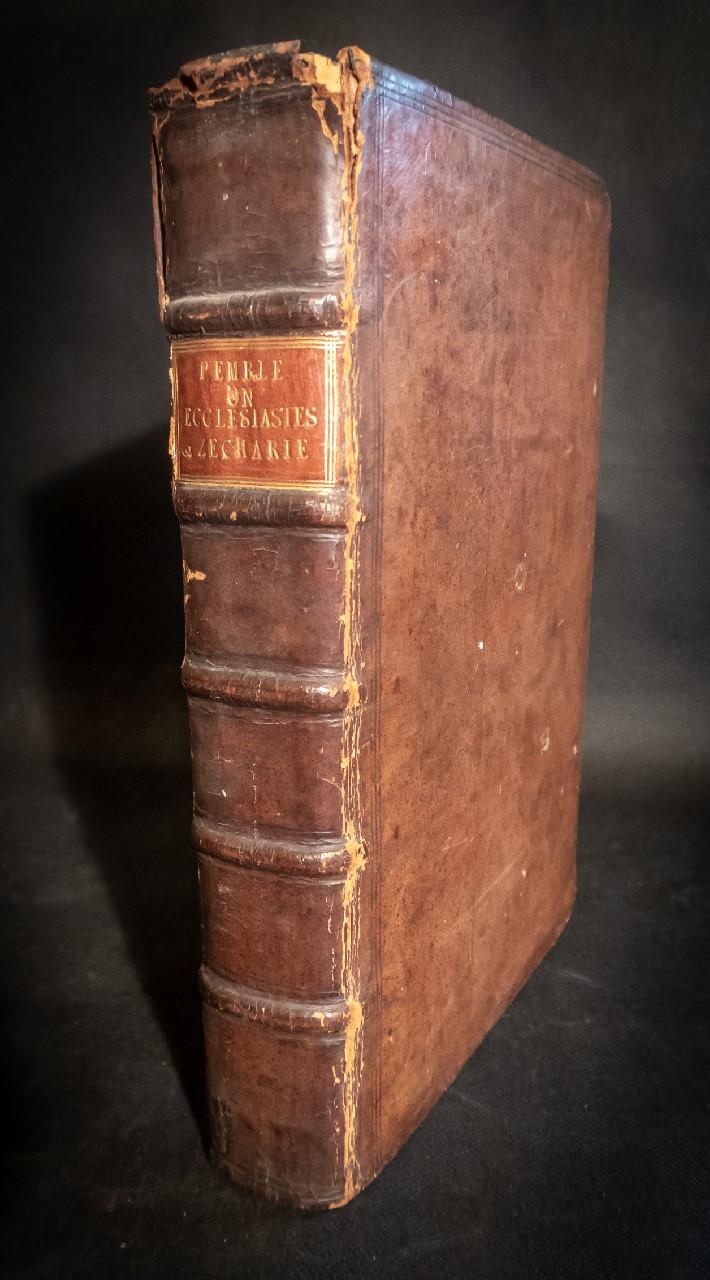
The collected works of the early-Stuart Puritan divine William Pemble, in a contemporary calf binding, 1635.
£750.00
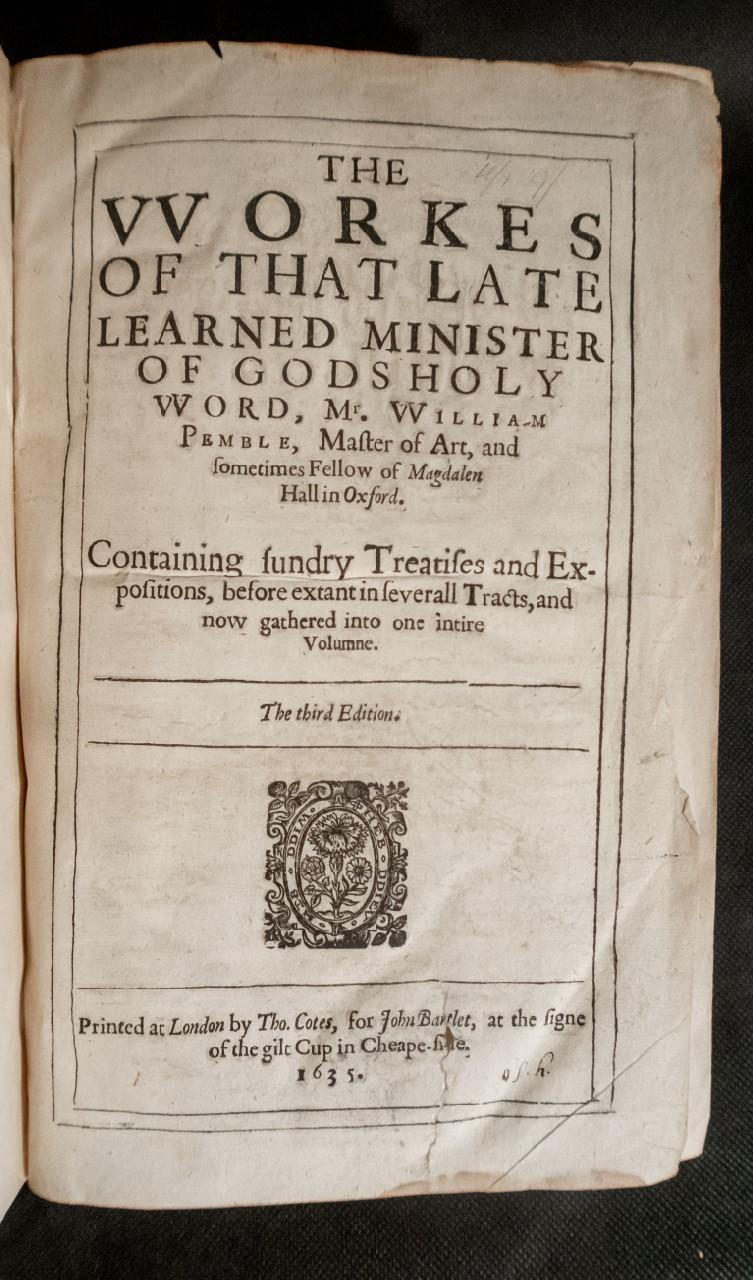
PEMBLE, William. The Workes of that Late Learned Minister of Gods Holy Word, Mr William Pemble, of Magdalen Hall in Oxford.
London: Printed by Tho. Cotes for John Bartlet, at the Signe of the Cup in Cheape-side, 1635.
Small folio.
A substantial collected edition of the writings of one of the most learned and admired Puritan divines of early-seventeenth-century Oxford, issued four years after Pemble’s premature death. The volume brings together his principal devotional, theological, and practical works, including sermons, treatises on justification and sanctification, and his celebrated Geographie, one of the most original English contributions to cosmography and physical geography of the period.
This copy corresponds in collation to the so-called “E–F” third-edition issue, despite bearing the imprint “for John Bartlet,” suggesting either a mixed issue or a cancel title-page. The collation is:
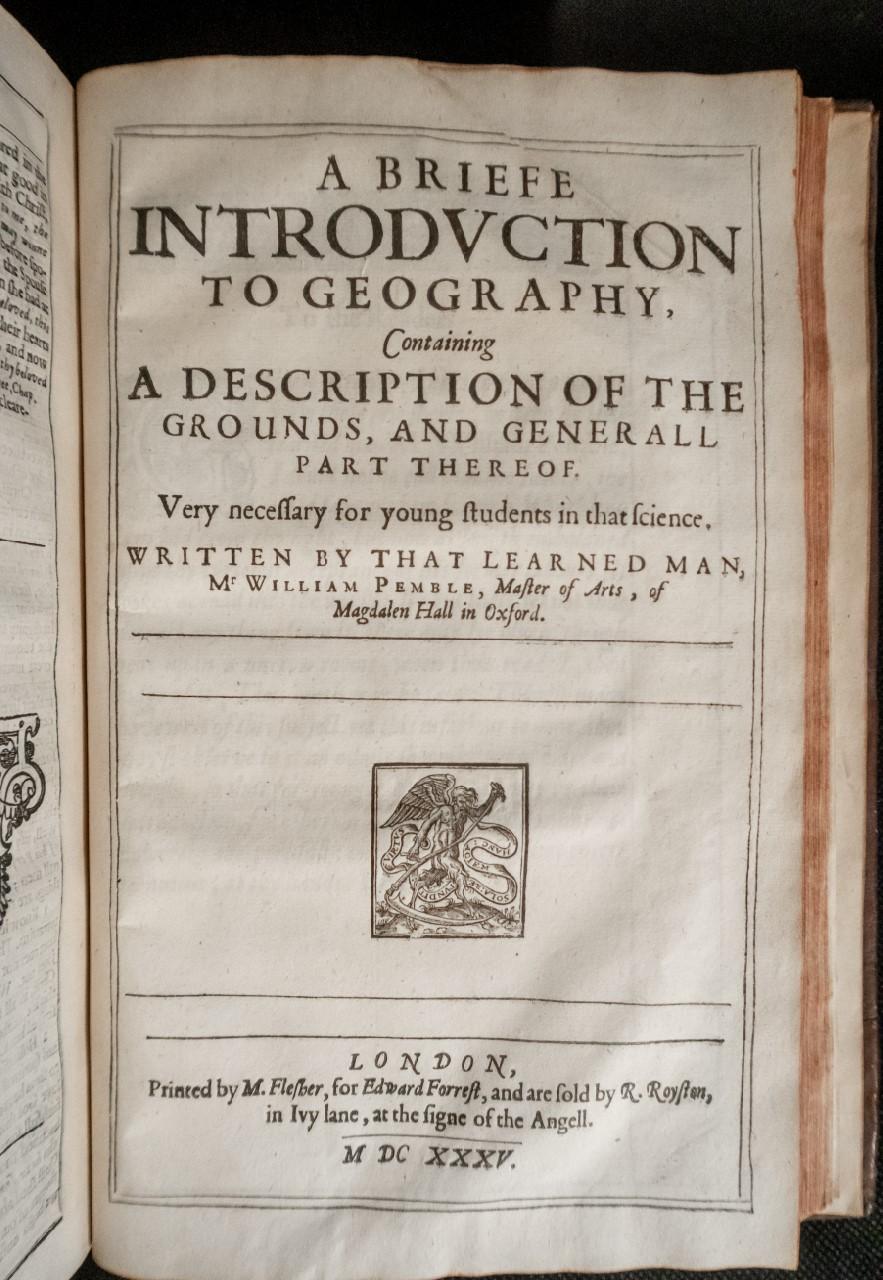
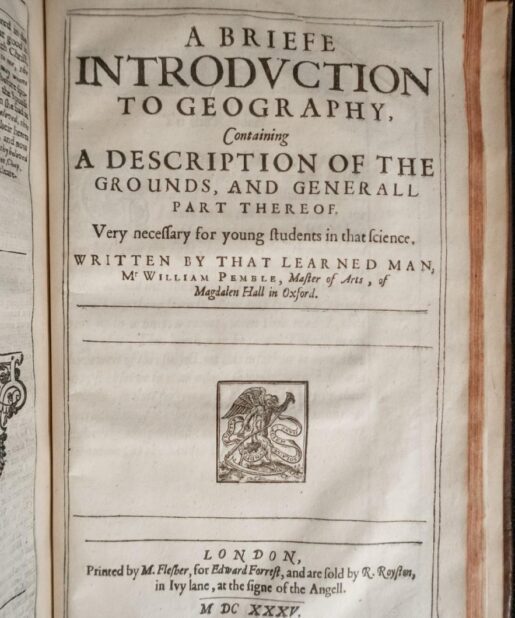
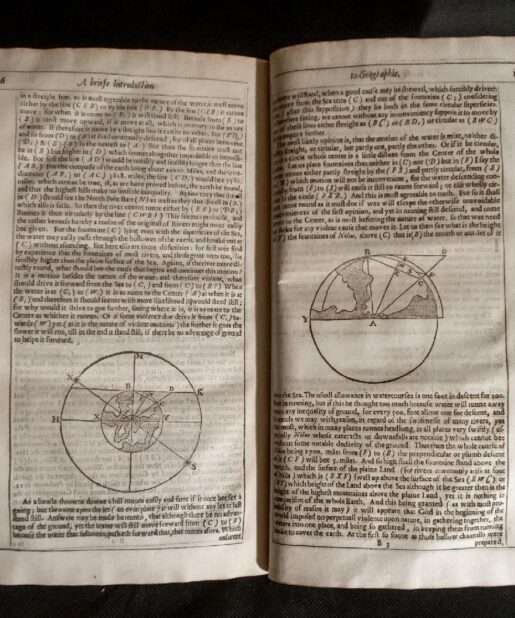
[28], 279, [2], 279–590, 28, 26, 48, 50 pp., including an additional 26-page section not present in some other issues. The Geographie forms the 48-page section, with a separate title-page and illustrated with woodcuts of the terrestrial and celestial globes.
The general title-page has a closed tear and small chips at the fore-edge; otherwise the text is crisp, clean, and well preserved. The engraved author portrait called for is not present. Bound in full contemporary calf over raised bands, with a red morocco label to spine. A handsome and highly presentable early-Stuart Puritan folio, of particular interest for the inclusion of Pemble’s influential Geographie.
William Pemble (1592-1623) was one of the most brilliant and learned Puritan divines of early-seventeenth-century Oxford, whose reputation during his lifetime rivalled that of far more famous contemporaries. Educated at Magdalen Hall, Oxford, he became a fellow of the college and quickly gained renown as an extraordinarily gifted preacher, theologian, and Hebraist.
Pemble was a convinced Calvinist and a leading representative of the godly party within the University of Oxford during the reign of James I. He was deeply admired by Puritan clergy and laity alike for the clarity, depth, and spiritual seriousness of his preaching, and his rooms at Magdalen Hall became a centre of Puritan intellectual life.
Although he died at the age of only thirty-one, Pemble left behind a remarkably substantial body of theological and devotional writing. His works were repeatedly reprinted throughout the seventeenth century and were read widely in both England and New England.
Of particular note is his Geographie, included in the present volume, a highly original treatise that combined biblical theology, natural philosophy, and cosmography. It reflects the Puritan conviction that the study of the created world was a legitimate and pious means of glorifying God. The work occupies an important place in the early history of English geographical and scientific writing.
Pemble’s premature death in 1623 was widely lamented among the godly as the loss of one of the brightest intellectual lights of English Puritanism.
Product Enquiry
Related products


£1,750.00


£400.00


£3,500.00


£1,500.00