


This piece has been placed.
Many works of comparable significance pass through our hands each year.
If you’re seeking something similar, please send us an enquiry or browse recent acquisitions.
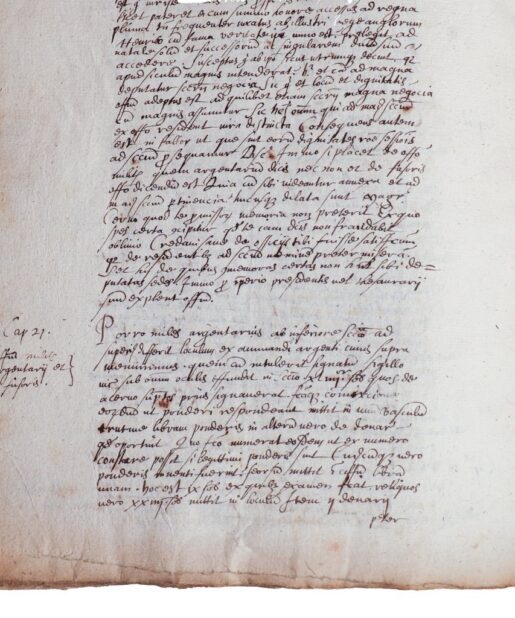
C17th Antiquarian Transcript of the Black Book of the Exchequer Attributed to Sir Peter Le Neve (1661–1729)


£1,500.00
A Seventeenth-Century Antiquarian Transcript of the Black Book of the Exchequer
Attributed to Sir Peter Le Neve (1661–1729)
[England, c. 1680–1710].
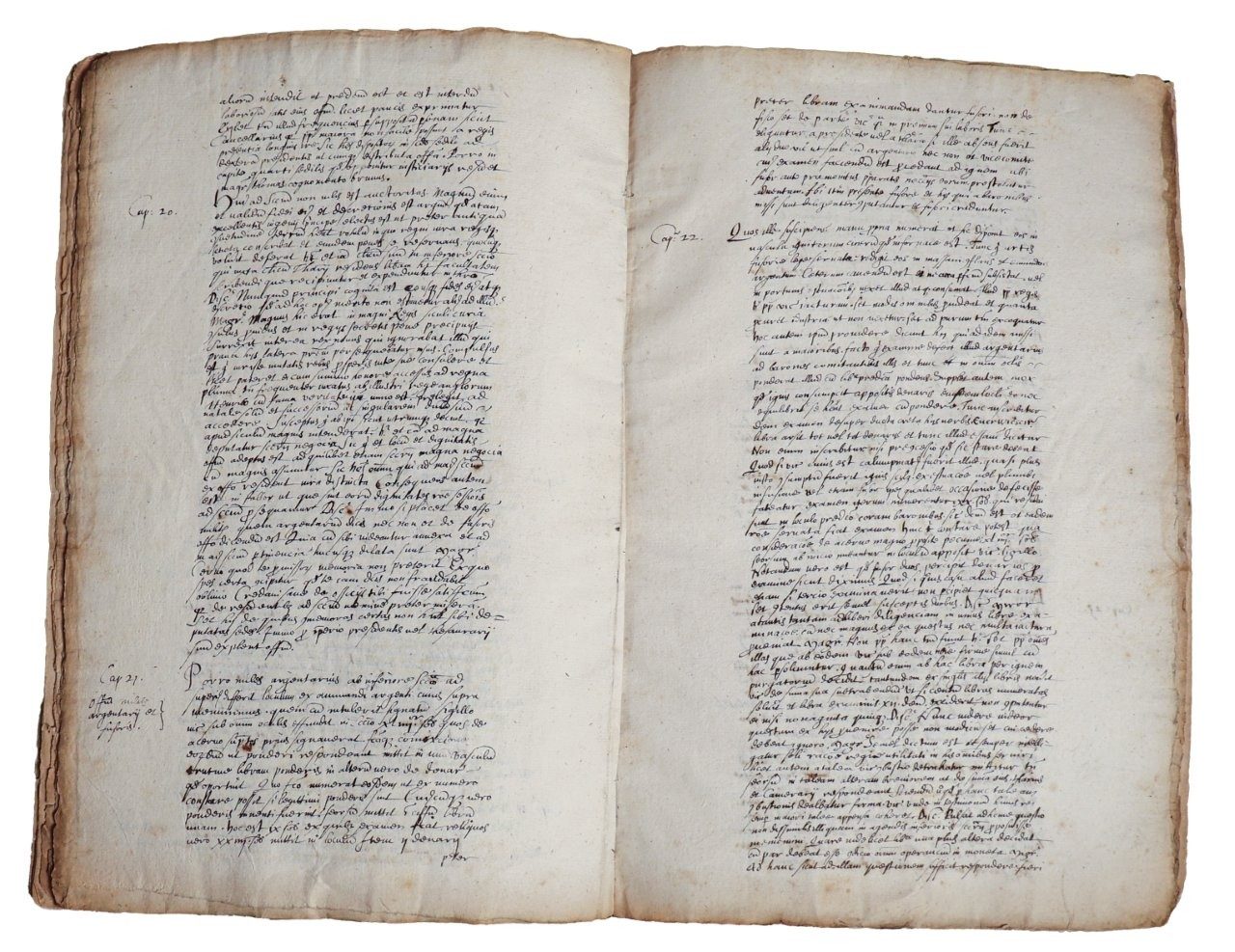
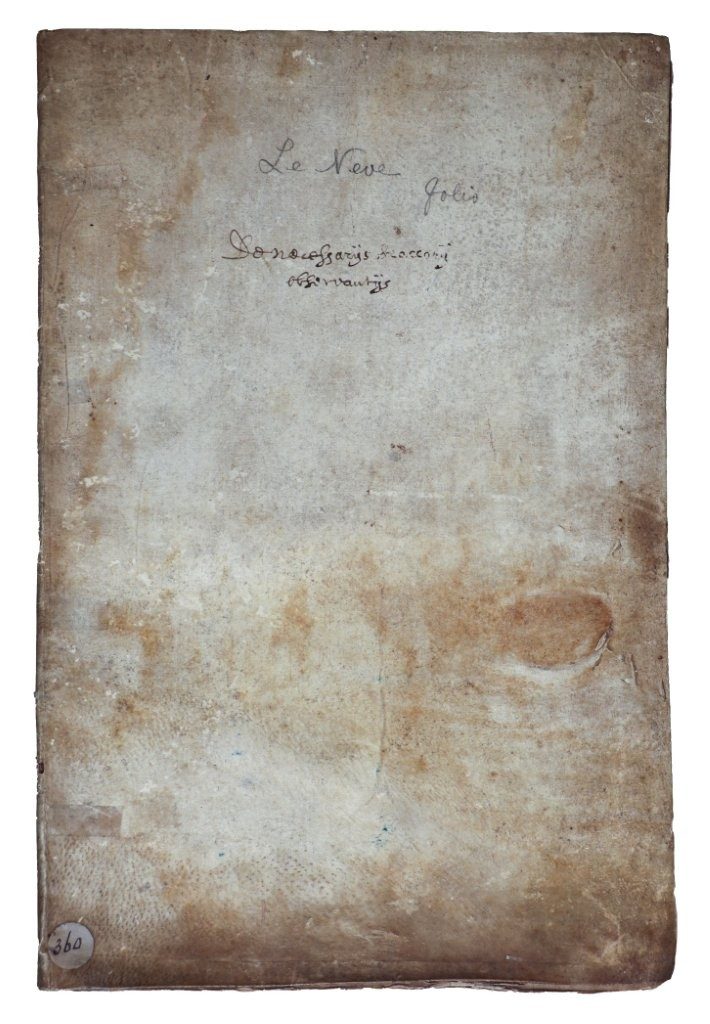
Manuscript on paper. Folio. Thick vellum covers, [4], 32pp on paper
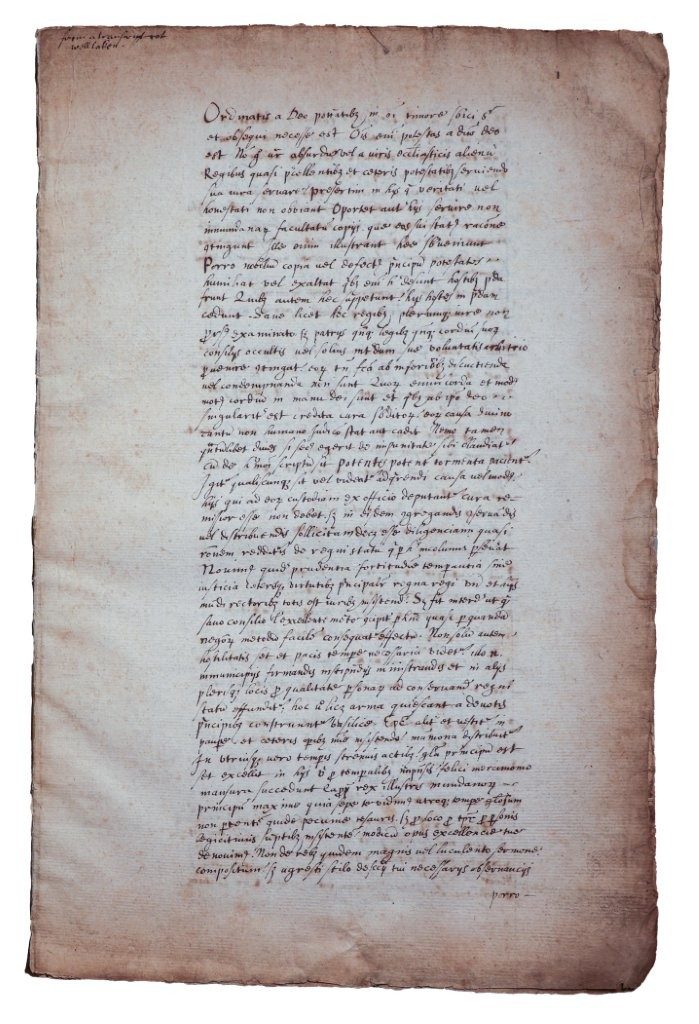
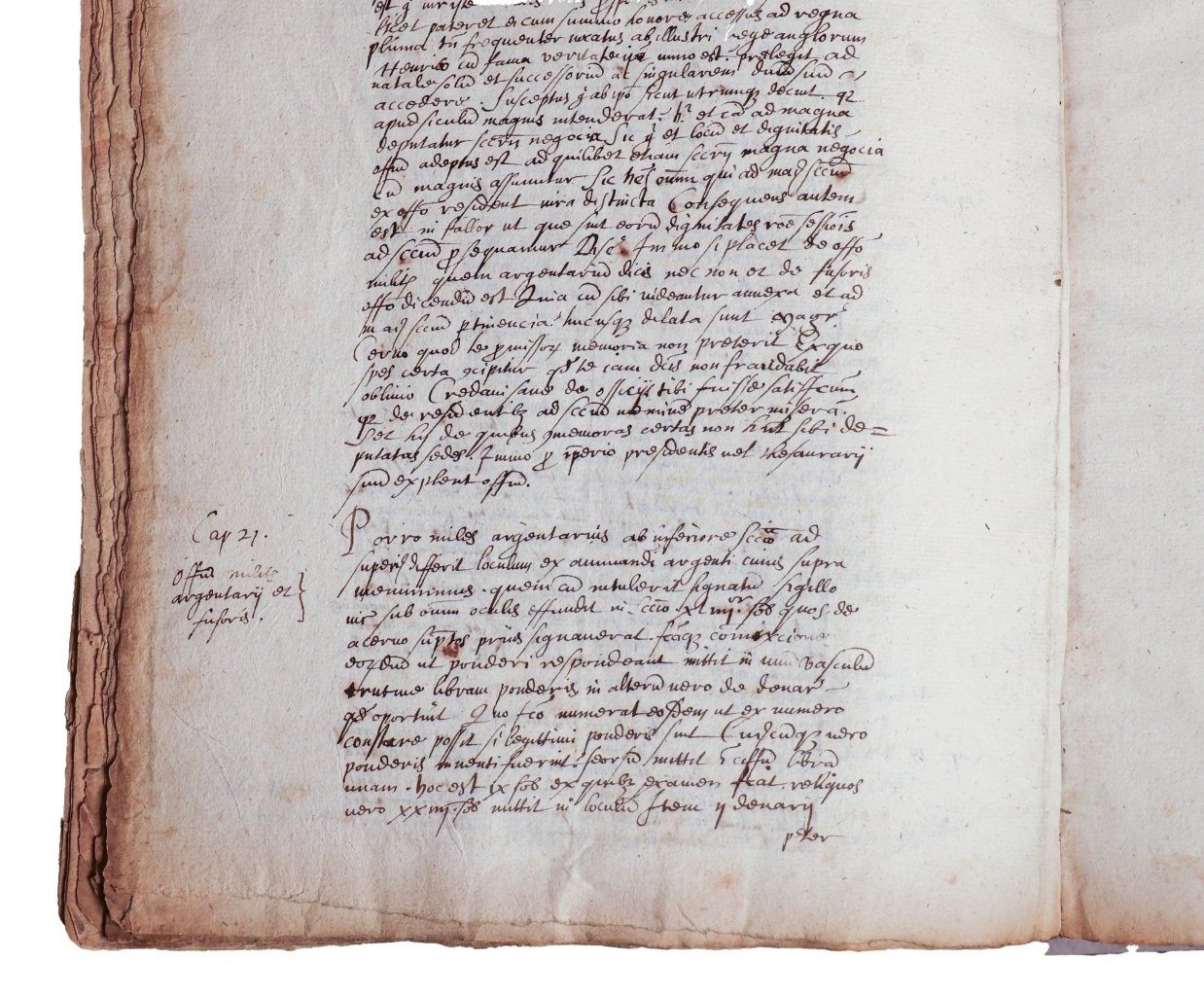
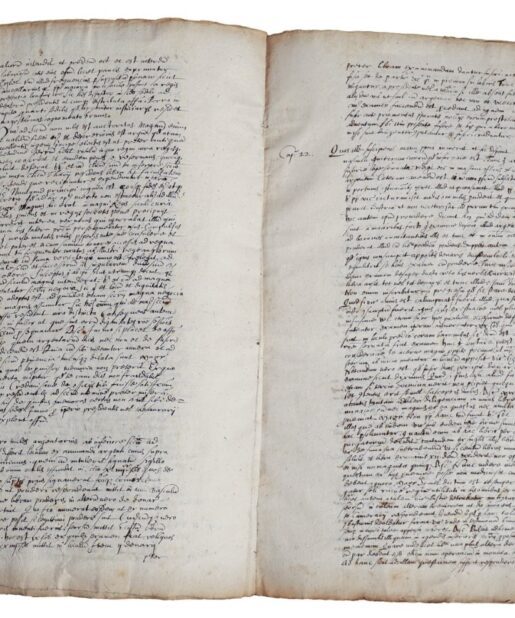
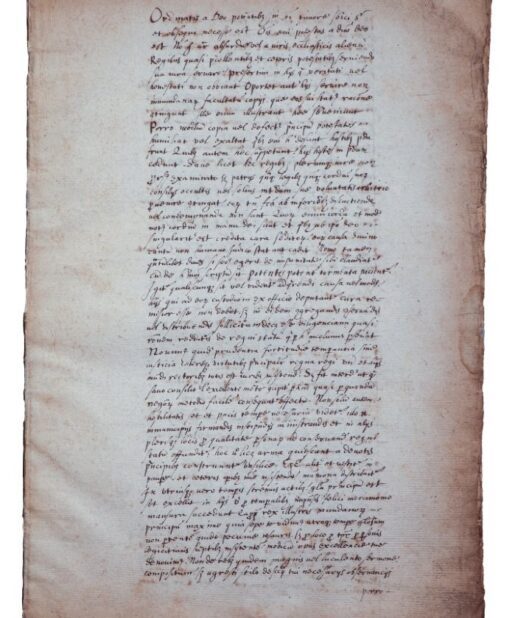
Written in a clear late-seventeenth-century English secretary hand with humanist influence. Headed: “Copia quaedam antiqua de Informatione sive Officio et aliis negotiis Curiae Scaccarii…” and referring to “De necessariis huius observantiis”, commonly known as the Black Book of the Exchequer. Some light age toning and marginal wear, else in good and sound condition.
355mm x 237mm
Folio, wide margins, written on laid paper in ink. A clear contemporary documentary hand.
An Antiquarian Working Copy of England’s Fiscal Constitution
A substantial seventeenth-century transcript of material from the medieval Black Book of the Exchequer, the great administrative compilation preserving the procedures and constitutional foundations of the English royal treasury.
Black Book of the Exchequer
The Black Book — whose core materials date to the twelfth and thirteenth centuries — preserves the procedural and juridical structure of the Exchequer court, including regulations concerning:
- The duties of barons of the Exchequer
- Fiscal accounting processes
- Pleas and jurisdiction
- Royal revenues and feudal returns
- Administrative observances of the Scaccarium
Its materials, closely associated with the celebrated Dialogus de Scaccario, formed one of the foundational documentary pillars of the medieval English state.
Sir Peter Le Neve and the Antiquarian Revival of Constitutional Texts
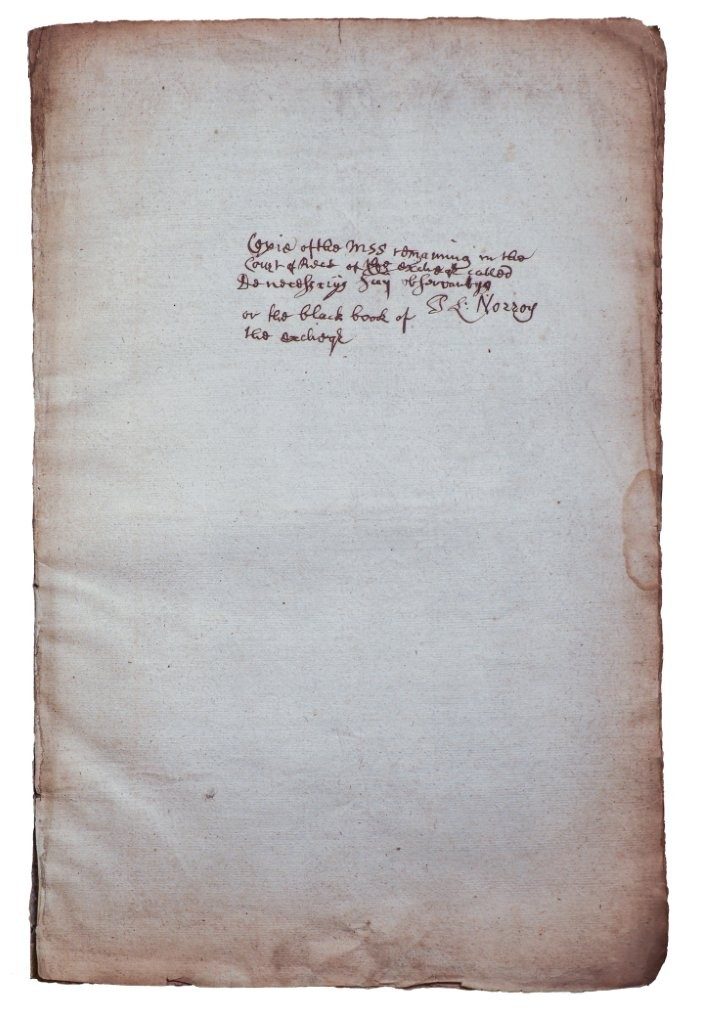
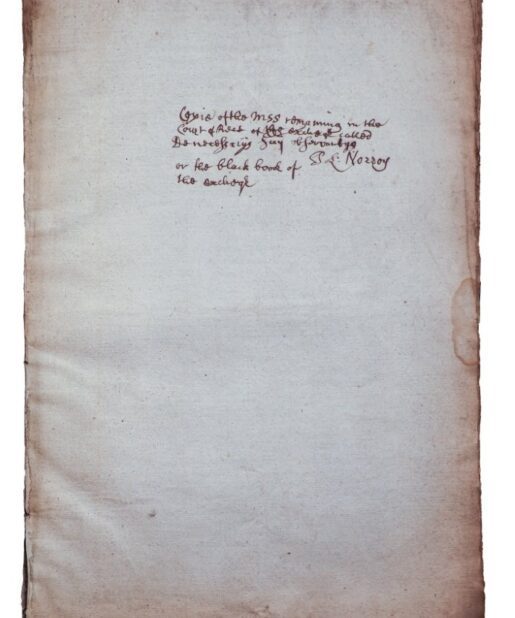
The present manuscript is identified in the hand of the antiquary and herald:
Sir Peter Le Neve Norroy King of Arms and one of the central figures in the early Society of Antiquaries, was deeply engaged in the recovery and copying of medieval constitutional records. During the later Stuart period — especially in the decades following the Restoration — texts relating to the ancient constitution and the historical limits of royal authority were of acute scholarly and political interest.
If, as appears likely, this manuscript is either written or annotated by Le Neve himself, it represents not merely a transcript but part of the working archival scholarship that underpinned late seventeenth-century constitutional historiography.
In the aftermath of the Civil Wars and during the reigns of Charles II and James II, questions of prerogative, revenue, and parliamentary authority were vigorously debated. Antiquaries turned to medieval Exchequer records to demonstrate the antiquity of fiscal structures and the precedents of governance.
This manuscript belongs squarely within that intellectual movement — an artefact of the period’s documentary rediscovery of England’s administrative past.
Product Enquiry
Related products

C14th -C16th manuscripts
£950.00


C12th - C13th manuscripts
Elegant English Early Gothic Script from late C12th Passionale – Paulinus of Milan
£1,750.00
C14th -C16th manuscripts
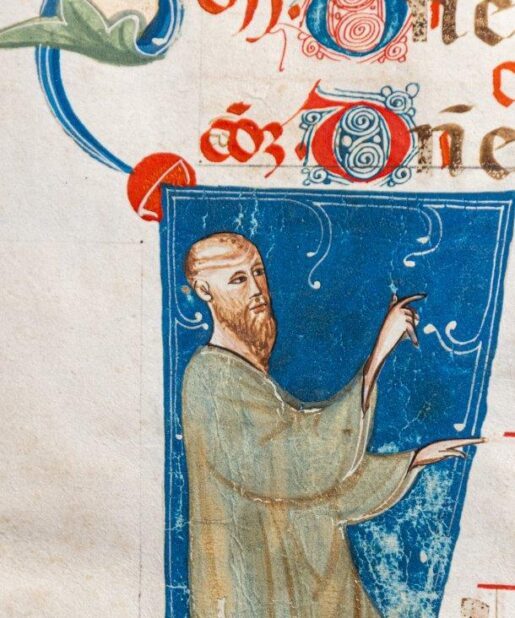
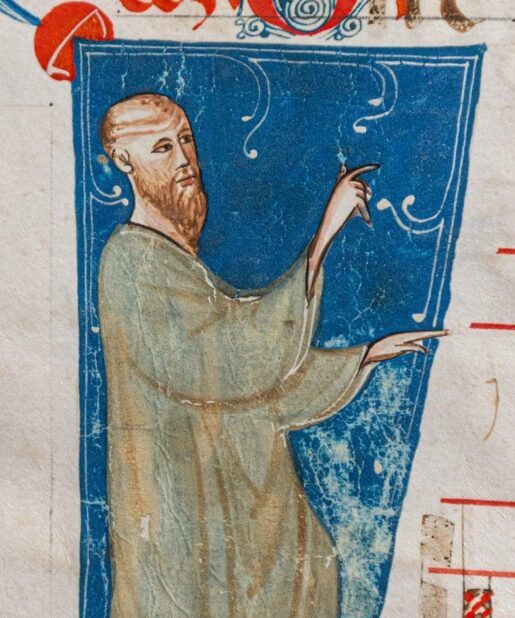
Historiated initial OT prophet, Italy c.1320 (Emilia-Romagna)
£2,500.00
![Leaf of Passionale in Latin [Italy, 12th century, first half] Lives of St Felicity and St Clement](https://stephenbutler.com/wp-content/uploads/2021/01/IMG_0696-515x618.jpg "Leaf of Passionale in Latin [Italy, 12th century, first half] Lives of St Felicity and St Clement")
C12th - C13th manuscripts
Leaf of Passionale in Latin [Italy, 12th century, first half] Lives of St Felicity and St Clement
£1,200.00


![Leaf from Baldo degli Ubaldi (1327–1400), Sextum codicis librum commentaria [Italy, late 15th century]](https://stephenbutler.com/wp-content/uploads/2023/07/IMG_0101-515x618.jpg "Leaf from Baldo degli Ubaldi (1327–1400), Sextum codicis librum commentaria [Italy, late 15th century]")
C14th -C16th manuscripts
£800.00


C12th - C13th manuscripts
Beautiful painted white vine initial, Augustine’s Commentary on John’s Gospel, Italy C12th
£3,800.00
C12th - C13th manuscripts
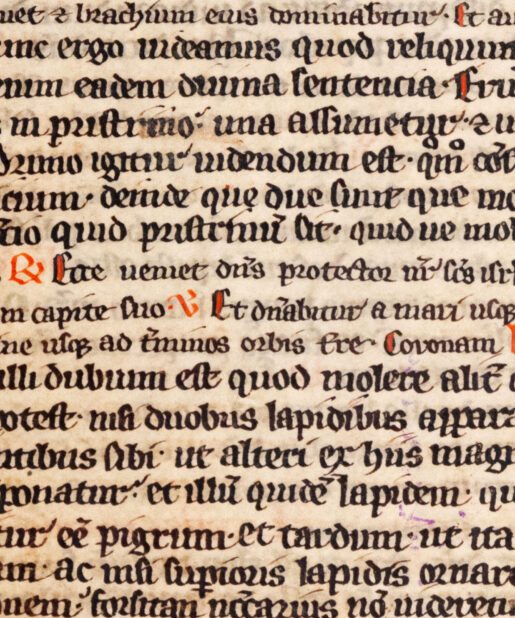
Miniature Breviary leaf with unusual and handsome script, c.1280
£1,500.00